Informasi Seputar Kegiatan di DPD RI
AGENDA KEGIATAN
DEWAN PERWAKILAN DAERAH REPUBLIK INDONESIA
14 October 2026 oleh admin
Yogyakarta, dpd.go.id — Twenty-one years after Law No. 14 of 2005 on Teachers and Lecturers, fundamental issues still persist for educators. Employment status remains uncertain, income remains inadequate, and legal protection is still weak.
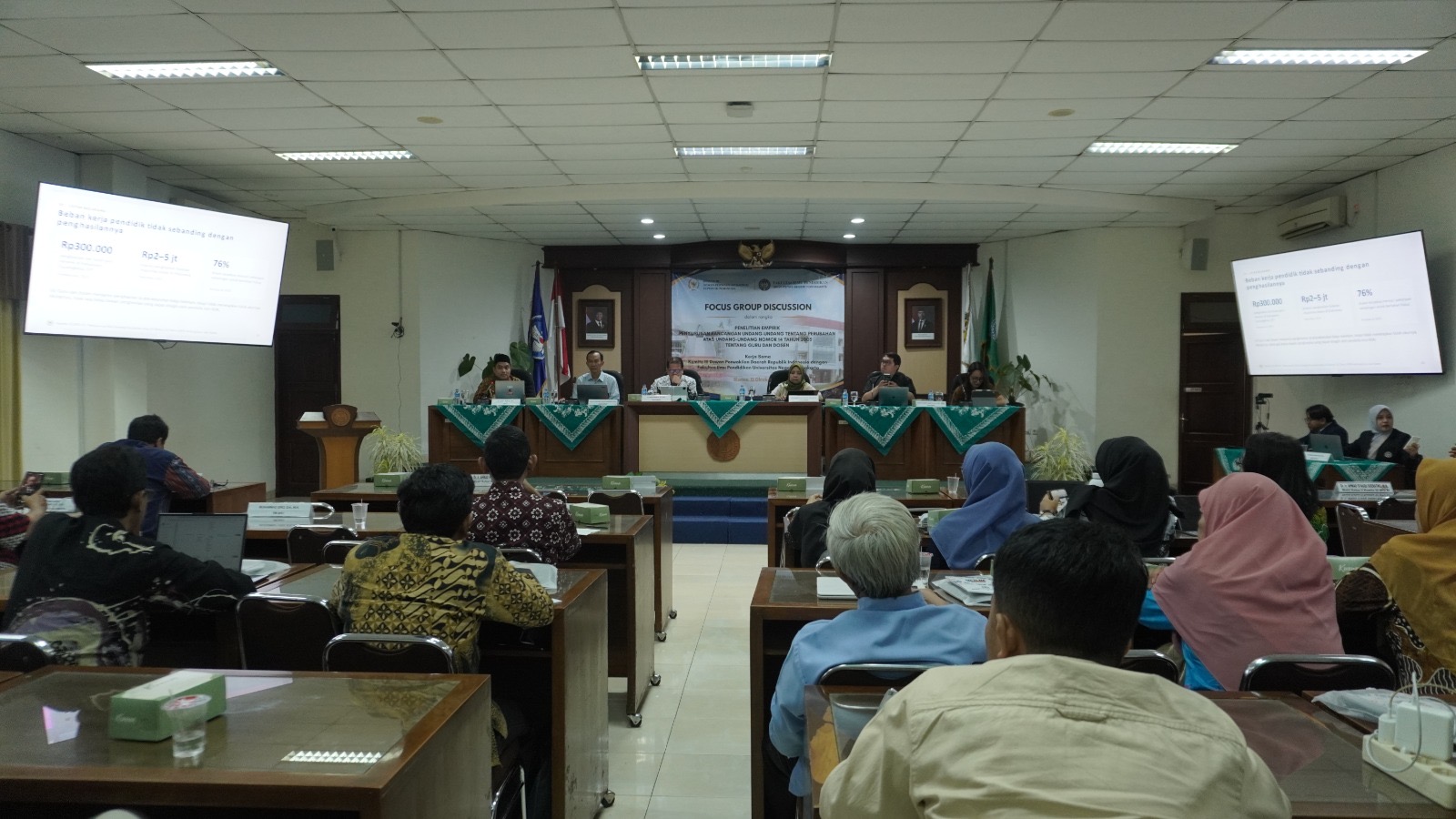
These issues surfaced when Committee III collected feedback for the amendment of the law at the Faculty of Education Sciences, Yogyakarta State University (UNY), on Tuesday (13/10). This forum is part of Committee III's empirical research, the results of which will serve as material for an academic paper and the draft bill (RUU) to amend the Teachers and Lecturers Law.
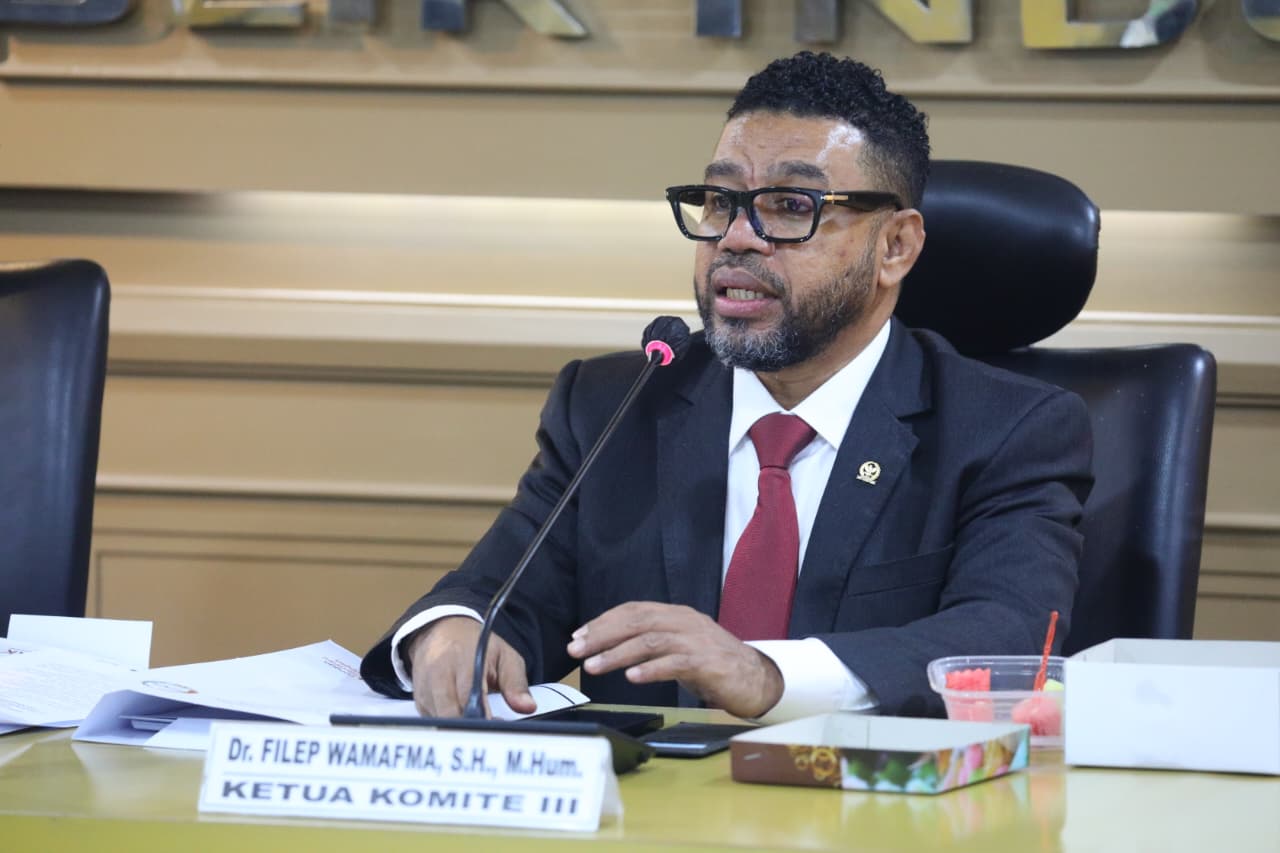
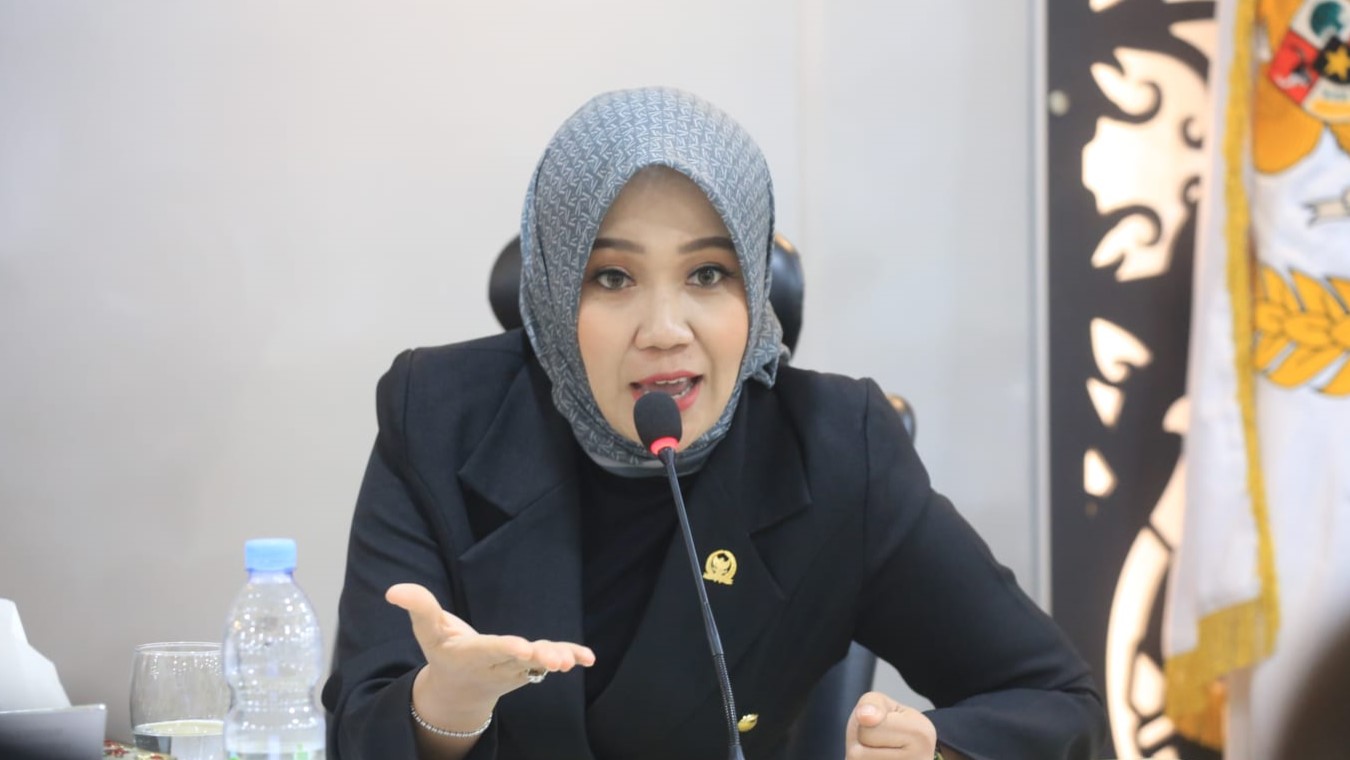
Vice Chair of Committee III of the DPD RI, Ahmad Syauqi Soeratno, emphasized in his opening remarks that teachers and lecturers play a strategic role in nation-building. Therefore, regulatory changes must stem from real problems on the ground. “Teachers and lecturers play a strategic role in improving the quality of national education. As such, welfare, certainty of status, and professional protection need to be firmly and evidence-based formulated so that the drafted regulations can address the challenges faced by educators,” he stated.
The event was attended by leadership and lecturers from UNY’s Faculty of Education Sciences, academics from higher education institutions and Educational Personnel Training Institutions (LPTK), representatives of local governments, educational institutions, professional organizations, labor unions, private education provider associations, teachers, prospective teacher students, and education observers in the Special Region of Yogyakarta.
In his presentation, the Dean of the Faculty of Education Sciences at UNY, Nurtanio Agus Purwanto, expressed hope that the revision of the Teachers and Lecturers Law would ensure a balance between rights, obligations, authority, and professional recognition, while keeping in mind implementation capabilities and accountability for education quality.
“The professionalism of teachers and lecturers should not merely be defined as an obligation to fulfill qualifications, certifications, competencies, and administrative demands. Professionalism must also be accompanied by the right to earn a decent income, legal protection, career development opportunities, and supportive working conditions,” said Nurtanio Agus Purwanto.
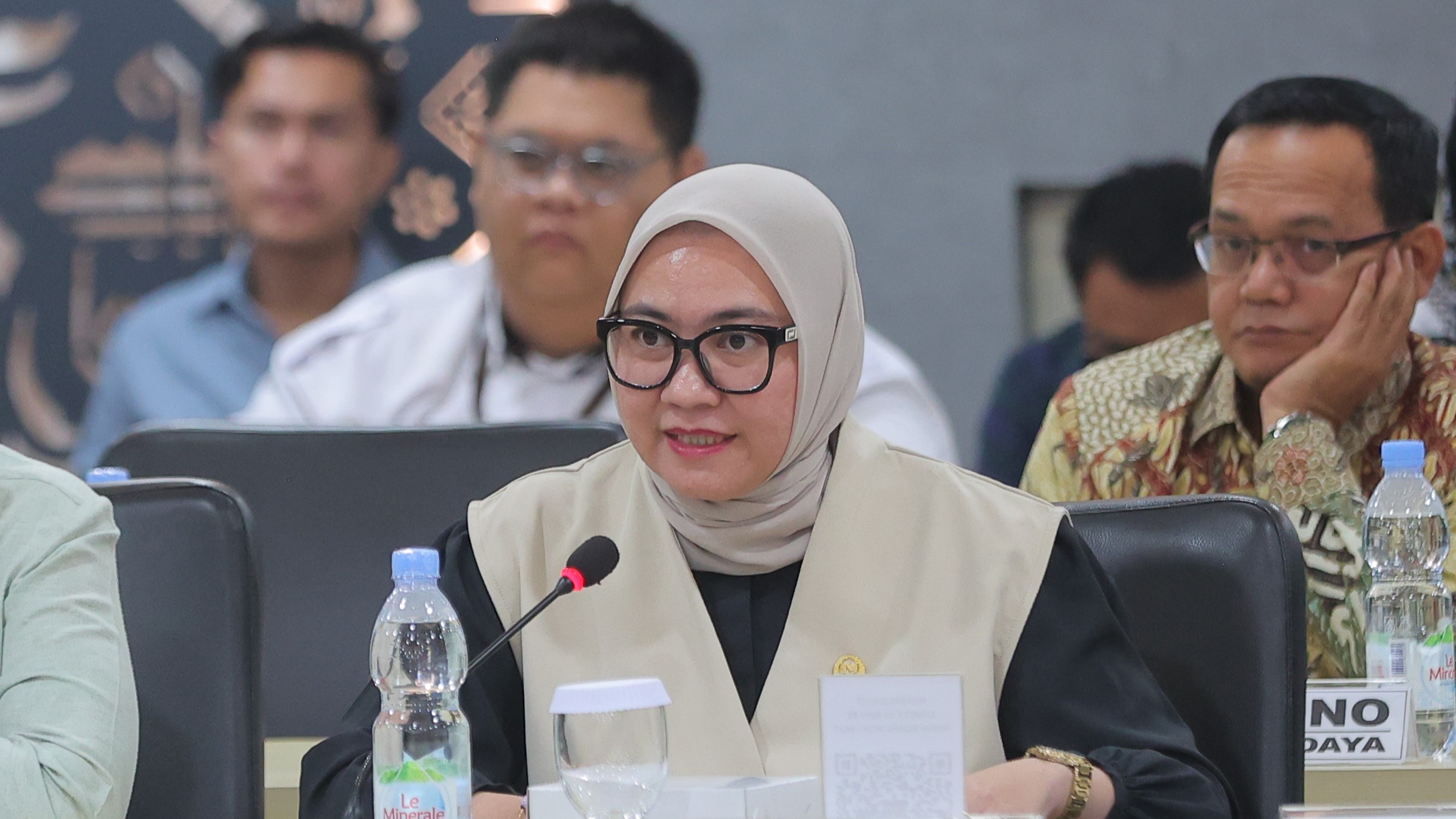
In carrying out their profession, teachers often face dilemmas, as noted by the Chairman of PGRI DIY, Didik Wardaya. According to him, the protection of students must be balanced with procedural certainty and fair hearings for teachers. He also called for the new regulation to govern teacher requirement planning, competency enhancement, and career path certainty. “The Teachers and Lecturers Law needs to be updated to adapt to educational developments and real issues in the field. Status certainty, welfare, legal protection, and equitable teacher distribution need to be prioritized in drafting the regulation,” he expressed.
From a labor perspective, the DIY Campus Workers Union pushed for detailed regulations regarding the employment relationship of teachers and lecturers. This includes income standards, employment contracts, status of permanent and non-permanent lecturers, as well as the right to unionize and bargain collectively.
“Certainty in the employment relationship of teachers and lecturers needs to be clearly regulated, including decent income standards and the fulfillment of educators' normative rights. Clarity in these rules is vital so that protection for teachers and lecturers is not merely general, but actionable in practice,” said Ayodya Anggara, a union representative from Gadjah Mada University.
A representative of the DIY Campus Workers Union, Dewi Handayani Harahap, added that quality education cannot be separated from the working conditions of its educators. “Quality education also requires educators and campus workers to have decent working conditions. Recognition of their professionalism needs to be accompanied by certainty of rights, income standards, social security, and a reasonable workload,” she explained.
The various inputs gathered during the event will serve as material for Committee III of the DPD RI to enrich their study and formulate the amendments to the Teachers and Lecturers Law. The involvement of all stakeholders is expected to ensure that the drafted regulation has an empirical foundation and can be implemented to support the improvement of national education quality.***
AGENDA KEGIATAN
DEWAN PERWAKILAN DAERAH REPUBLIK INDONESIA