Informasi Seputar Kegiatan di DPD RI
AGENDA KEGIATAN
DEWAN PERWAKILAN DAERAH REPUBLIK INDONESIA
07 October 2026 oleh admin
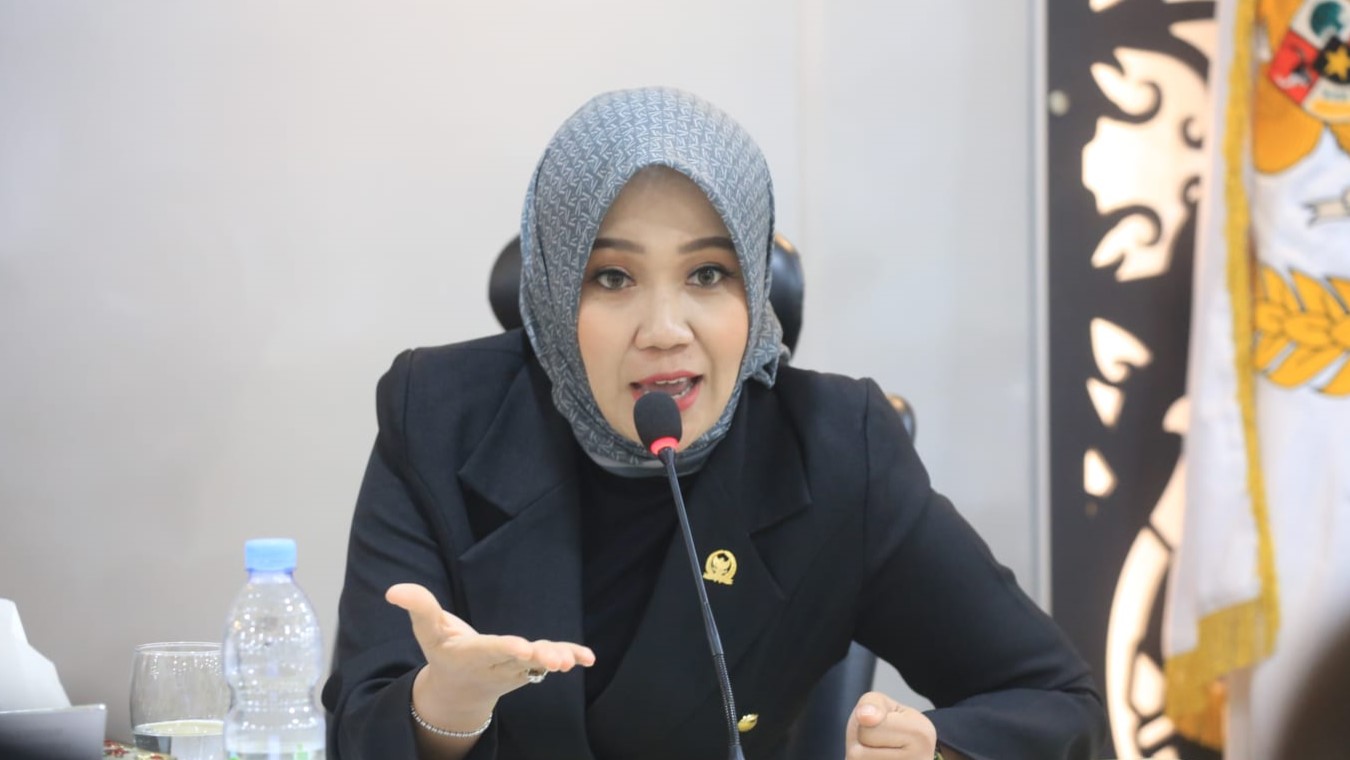
Jakarta, dpd.go.id – Vice Chair of Committee III of the House of Regional Representatives l of the Republic of Indonesia (DPD RI), Dr. Hj. Erni Daryanti, M.Biomed., has highlighted the need for equitable healthcare services in Central Kalimantan during a working meeting with Indonesian Minister of Health Budi Gunadi Sadikin on October 6, 2026. Her key concerns included the implementation of the Free Health Screening (Cek Kesehatan Gratis/CKG) program, the recruitment of healthcare workers through the Government Employee with Work Agreement (Pegawai Pemerintah dengan Perjanjian Kerja/PPPK) scheme, and the availability of healthcare facilities, infrastructure, and medical equipment.
Erni stressed that the challenges facing Central Kalimantan go beyond the availability of healthcare programs. Geographical conditions, distances between settlements, transportation difficulties, and limited healthcare resources can make it harder for residents in remote areas to access medical services. The Central Kalimantan Provincial Government has also identified barriers to accessing primary healthcare in remote areas, including geographical constraints, transportation, communication, and shortages of healthcare workers.
She therefore urged that the CKG program reach communities living far from healthcare facilities, including through stronger primary healthcare services and proactive outreach to residents. Health screenings should be linked to clear follow-up measures, ranging from health education and initial treatment to referrals when necessary. The Ministry of Health has stated that CKG aims to identify disease risks, detect illnesses at an early stage, and help people understand healthy lifestyle practices.
Erni also emphasized the importance of adequate healthcare facilities and infrastructure to support both CKG implementation and routine medical services. Community health centers (Pusat Kesehatan Masyarakat/Puskesmas) and healthcare facilities in remote areas need sufficient treatment space, appropriate medical equipment, adequate supplies for examinations, and proper equipment maintenance and calibration to ensure reliable operation. She noted that medical equipment distribution should take regional conditions into account, along with each facility's capacity to operate and maintain the equipment.
In addition, Erni highlighted the need for healthcare workers at service facilities, particularly community health centers serving remote and hard-to-reach areas. She urged the Ministry of Health and regional governments to conduct detailed assessments of staffing shortages and ensure that PPPK recruitment allocations for healthcare personnel are aligned with actual needs on the ground.
Efforts to recruit healthcare workers must also be accompanied by measures to retain them in areas where their services are most needed. Deployment support, employment security, basic facilities, and appropriate incentives should all form part of policies aimed at achieving a more equitable distribution of healthcare personnel.
Erni expressed hope that the outcomes of the working meeting would lead to concrete coordination among the central government, provincial government, and regency and municipal governments. With adequate healthcare personnel, facilities, and medical equipment, the benefits of the CKG program and basic healthcare services are expected to reach communities across Central Kalimantan more equitably, including residents of villages and remote areas.
AGENDA KEGIATAN
DEWAN PERWAKILAN DAERAH REPUBLIK INDONESIA