Informasi Seputar Kegiatan di DPD RI
AGENDA KEGIATAN
DEWAN PERWAKILAN DAERAH REPUBLIK INDONESIA
16 April 2026 oleh admin
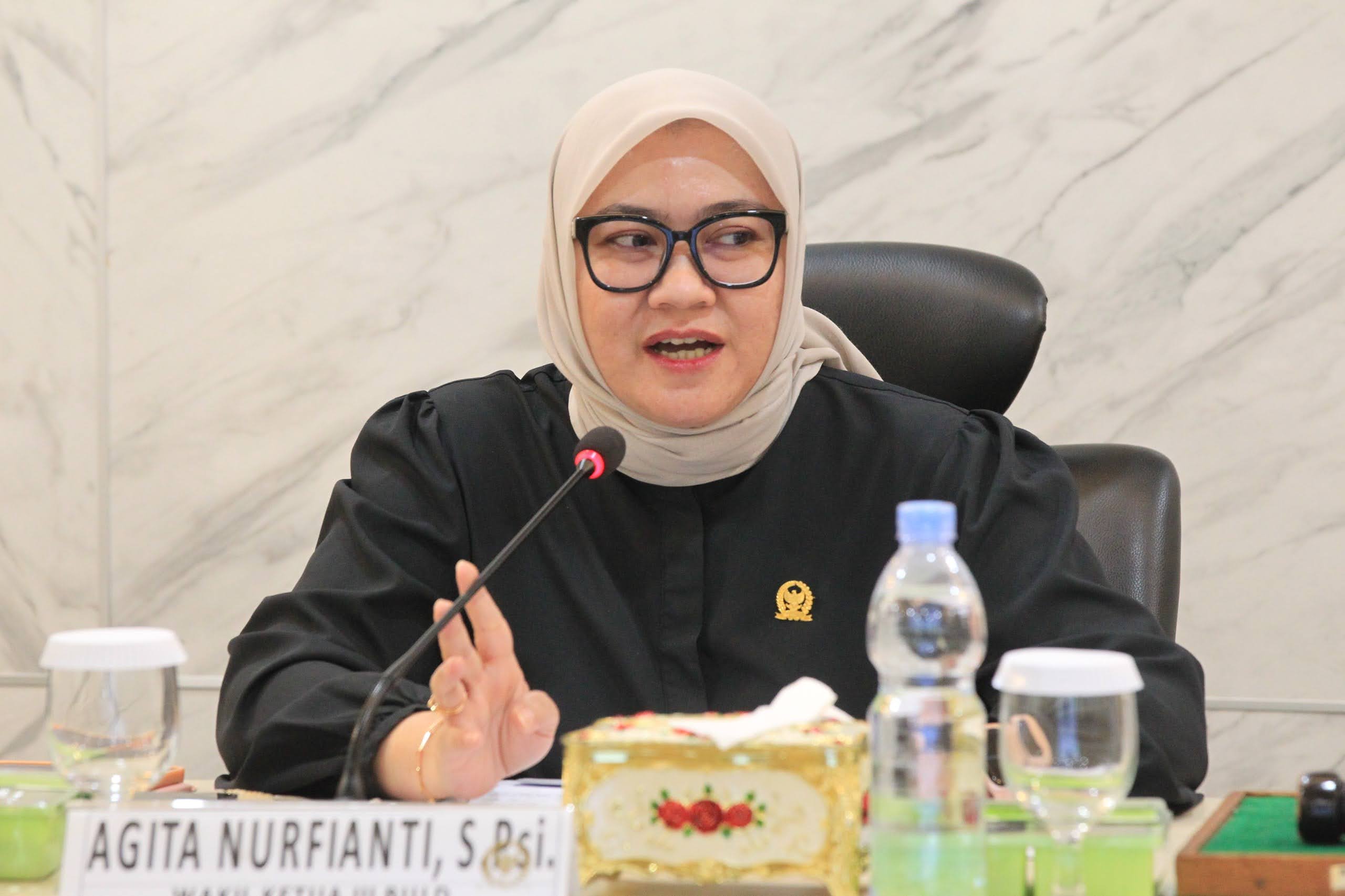
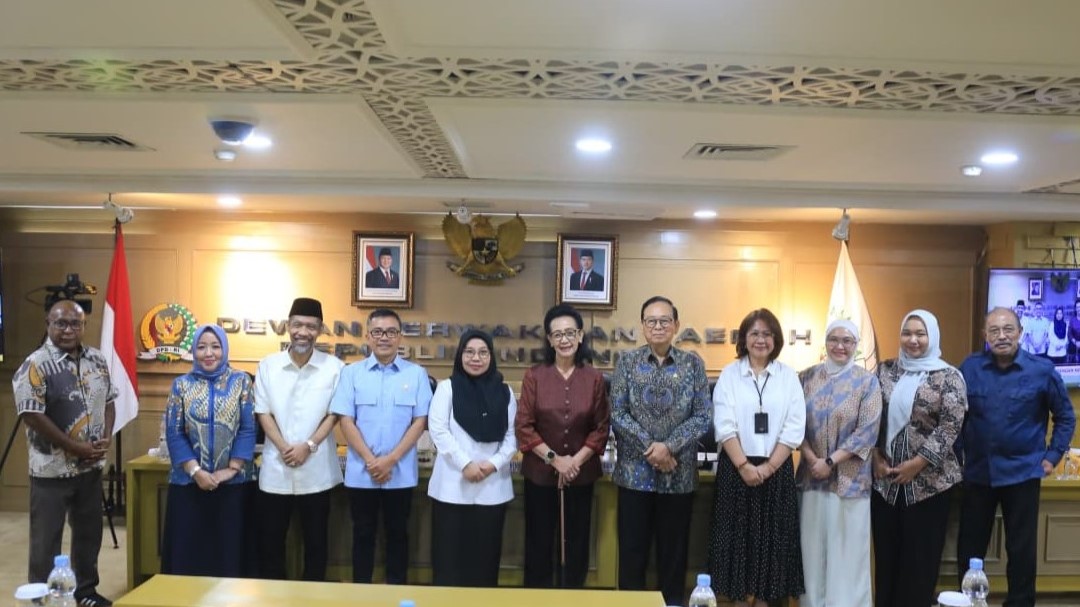
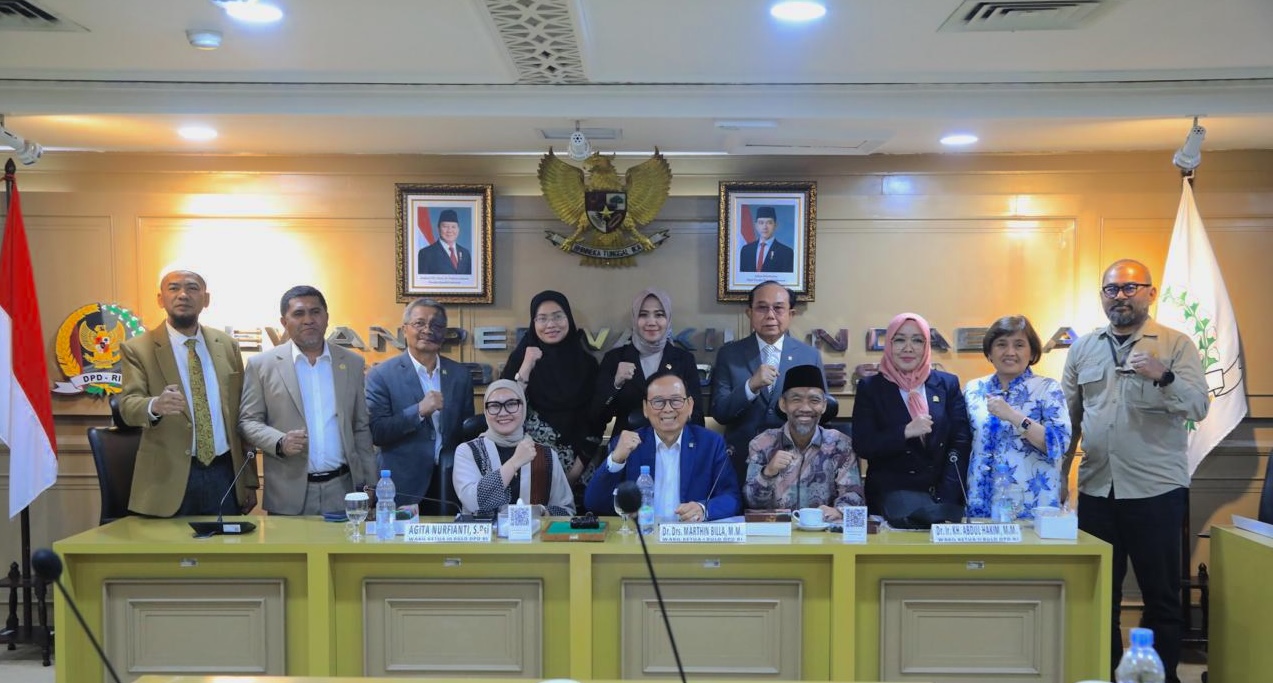
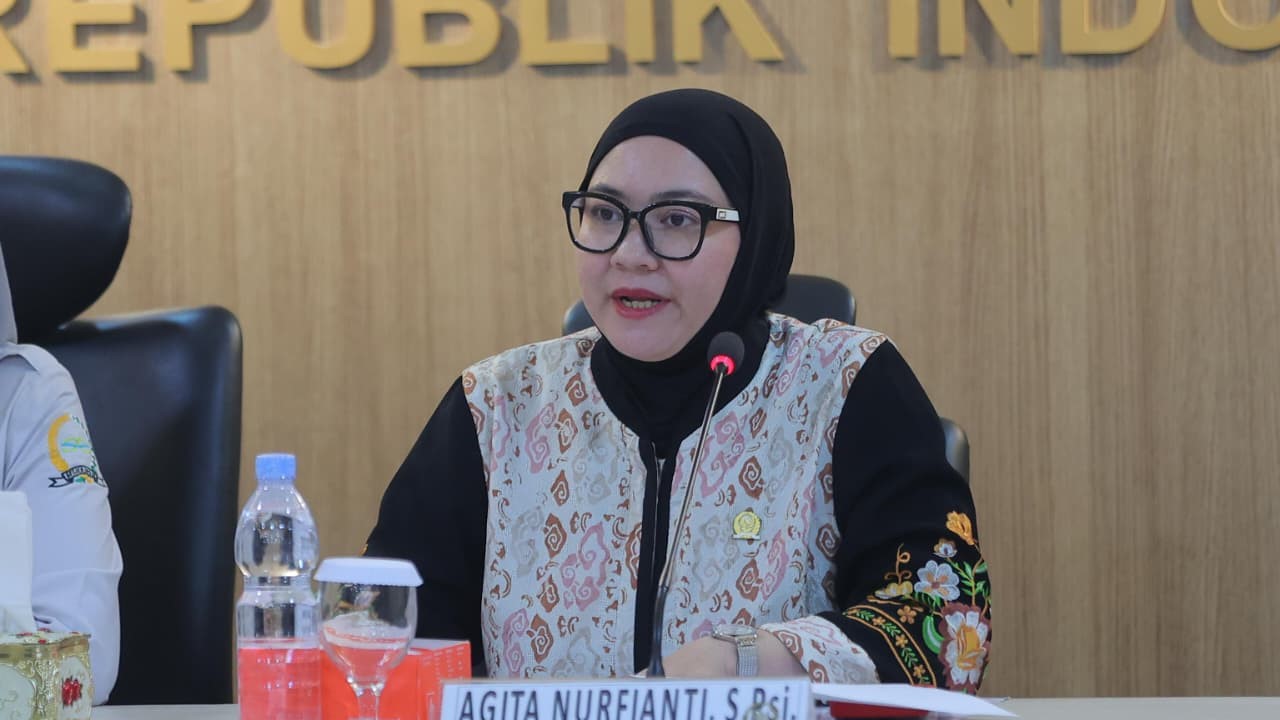
dpd.go.id Jakarta (15/4) – Deputy Chairperson III of the Regional Legislation Committee (BULD) of the House of Regional Representatives of the Republic of Indonesia (DPD RI) Agita Nurfianti emphasized that the formation of Regional Regulations (Perda) is a manifestation of regional autonomy within the framework of the 1945 Constitution of the Republic of Indonesia and part of the binding national legal system. Therefore, its quality must be in accordance with the principles of good regulation formation because it directly influences the effectiveness of government, legal certainty, and public protection. This was conveyed at the Public Hearing (RDPU) of the BULD DPD RI, Wednesday (15/4), at the DPD RI Office, Senayan, Central Jakarta.
The meeting agenda discussed the Issues of the Regional Regulation Formation Program starting from normative and empirical issues in the process of forming Regional Regulations; institutional constraints and human resource capacity; views and input from stakeholders; evaluation of the effectiveness of harmonization, facilitation, and supervision mechanisms for Draft Regional Regulations and Regional Regulations within the framework of the national legal system; to inventory of materials in the framework of preparing strategic recommendations for BULD DPD RI.
"The creation of regional regulations is one manifestation of regional autonomy as stipulated in Law Number 23 of 2014 concerning Regional Government. Through this authority, regions are given the space to regulate and manage the interests of their local communities according to their respective characteristics, aspirations, and needs," said Agita.
"However, in practice, there is still an expansion of authority that is not in accordance with regulations, potentially leading to the revocation of regional regulations. This creates legal uncertainty, budget losses, and a decline in public trust. Therefore, strengthening the monitoring and evaluation function of regional regulation formation is an urgent need," he added.
According to Agita, within an institutional context, the DPD RI plays a strategic role in overseeing the quality of regional legislation through its authority to monitor and evaluate regional regulations, as stipulated in Law Number 17 of 2014 and its amendments. Through the BULD, this function is carried out through studies, monitoring, and gathering input. This role serves as a substantive oversight instrument to ensure that regional regulations align with the constitution and higher-level regulations.
"Conceptually, the formation of regional regulations must be based on the principles of a state based on the rule of law, which upholds legal certainty, justice, and expediency, while maintaining a balance between national and regional interests. Regulatory harmonization is key to preventing normative conflicts. In this regard, the DPD RI's BULD plays a strategic role in monitoring and evaluating through RDPU to identify problems and formulate improvements, thereby sustainably improving the quality of regional legislation," he said.
The RDPU presented a number of speakers, including the Chairman of the Regional Regulation Formation Agency of the West Java Provincial DPRD, Sugianto Nangolah, with the theme of the Dynamics of Regional Legislation Politics and Practical Challenges in the Formation of Regional Regulations at the Provincial Level; Head of the Legal Bureau of the Lampung Provincial Secretariat, Yudhi Alfandru, with the theme of Harmonization and Synchronization of Draft Regional Regulations within the Framework of the National Legal System; regional government law expert Prof. Umbu Rauta with the theme of the Model of Formation of Regional Regulations Based on the Principles of Autonomy and the Rule of Law; and academician of the Faculty of Law, University of Mataram, Dr. Wahyuddin, with the theme of Strengthening the Quality of Regional Regulations through Theoretical and Methodological Approaches to the Formation of Legislation.
The meeting's conclusions, signed by BULD leaders, yielded several key points. First, support for strengthening the role of the DPD RI as a regional representative in the national legislative system by optimizing the monitoring and evaluation function of draft regional regulations (Rupau) and regional regulations (Perda), without entering into the executive branch's jurisdiction.
Second, encourage the reconstruction of the Regional Regulation formation model based on the integration of legal legitimacy, democracy, and the unitary state through a triangular legitimacy approach and a democratic unitary executive to improve the quality of regional regulations.
Third, support suggestions related to the design of authority arrangements between institutions, especially between the central government, regional governments, and legislative institutions, in order to avoid fragmentation of authority and increase the effectiveness of guidance and supervision of Regional Regulations.
Closing the meeting, Agita expressed her appreciation to all speakers and participants who had provided constructive input.
"The results of today's RDPU will be crucial for the DPD RI's BULD in carrying out its duties of monitoring and evaluating regional regulations going forward. We want regional legislative governance to be of higher quality, measurable, and aligned with the interests of the people," he concluded.
AGENDA KEGIATAN
DEWAN PERWAKILAN DAERAH REPUBLIK INDONESIA