Informasi Seputar Kegiatan di DPD RI
AGENDA KEGIATAN
DEWAN PERWAKILAN DAERAH REPUBLIK INDONESIA
01 August 2026 oleh admin
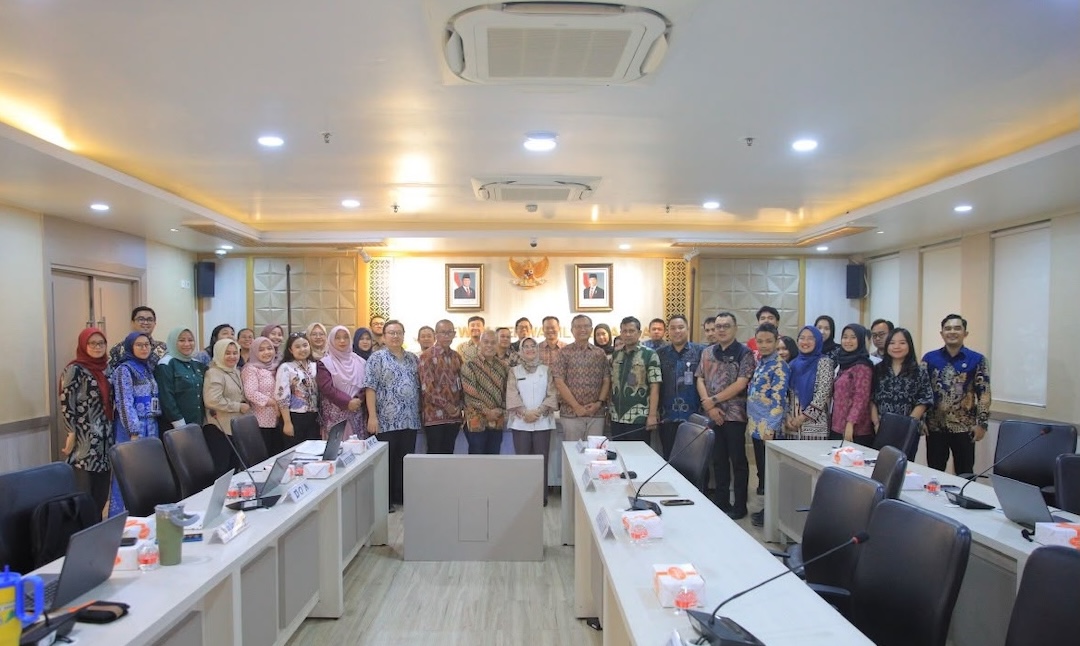
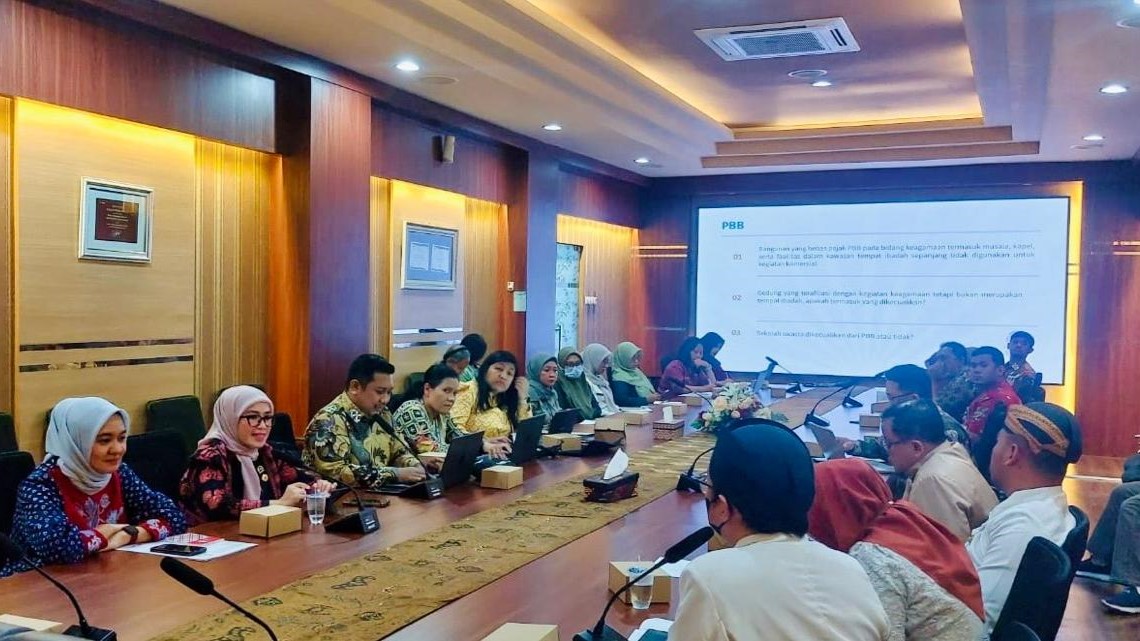
Jakarta, dpd.go.id – The decline in the Regional Transfer (TKD) allocation in the 2026 State Budget has prompted the House of Regional Representatives of the Republic of Indonesia (DPD RI) to prepare a breakthrough to strengthen regional fiscal independence. Through the Center for Regional and Budget Studies (Puskadaran), the Secretariat General of the DPD RI held a discussion on the preparation of a final report as the basis for recommendations for the Draft Bill (RUU) on Increasing Regional Original Revenue (PAD) and other regional revenue sources, which took place at the DPD RI Building, Jakarta, Thursday (30/7/2026).
Head of the Center for Regional and Budget Studies (Puskadaran), Sri Sundari, explained that the reduction in transfers from the central government poses a serious challenge because many regions still rely on these funds to finance development and public services. Therefore, regions need new strategies to independently increase revenue.
"Regional governments cannot continue to rely on central government transfers. Strengthening local revenue must be a key strategy to ensure development continues and public services are not disrupted," said Sri Sundari.
She stated that Law Number 1 of 2022 has provided regional governments with the opportunity to strengthen their fiscal capacity through simplification of regional taxes, the Certain Goods and Services Tax (PBJT), and the motor vehicle option policy. However, its implementation still faces various obstacles, ranging from regulations, tax administration, system integration, human resource capacity, and the varying economic characteristics of each region.
During the discussion, Arwani Hidayat, an expert from the House of Representatives' Legislative Body, assessed that the recommendations must be data-based and address regional needs. He stated that the study's findings must demonstrate the urgency of developing regulations while also providing solutions that can be implemented in policymaking.
"The study report must produce implementable recommendations so that it can serve as a strong basis for drafting the proposed bill and discussing the National Legislation Program," Arwani said.
Meanwhile, academic Dedi Budiman Hakim believes that regions need to expand revenue sources through asset optimization, strengthening regionally-owned enterprises (BUMD), and developing more innovative financing schemes. He believes that strengthening regional fiscal capacity also requires more adaptive regulatory support to meet future development challenges.
Through a forum involving structural officials, legislative analysts, and the report's drafting team, DPD RI aims to produce more comprehensive policy recommendations as a basis for drafting the Bill on Increasing Regional Original Revenue. These recommendations are expected to strengthen regional fiscal independence while reducing dependence on central government transfers.
AGENDA KEGIATAN
DEWAN PERWAKILAN DAERAH REPUBLIK INDONESIA