Informasi Seputar Kegiatan di DPD RI
AGENDA KEGIATAN
DEWAN PERWAKILAN DAERAH REPUBLIK INDONESIA
05 September 2026 oleh admin
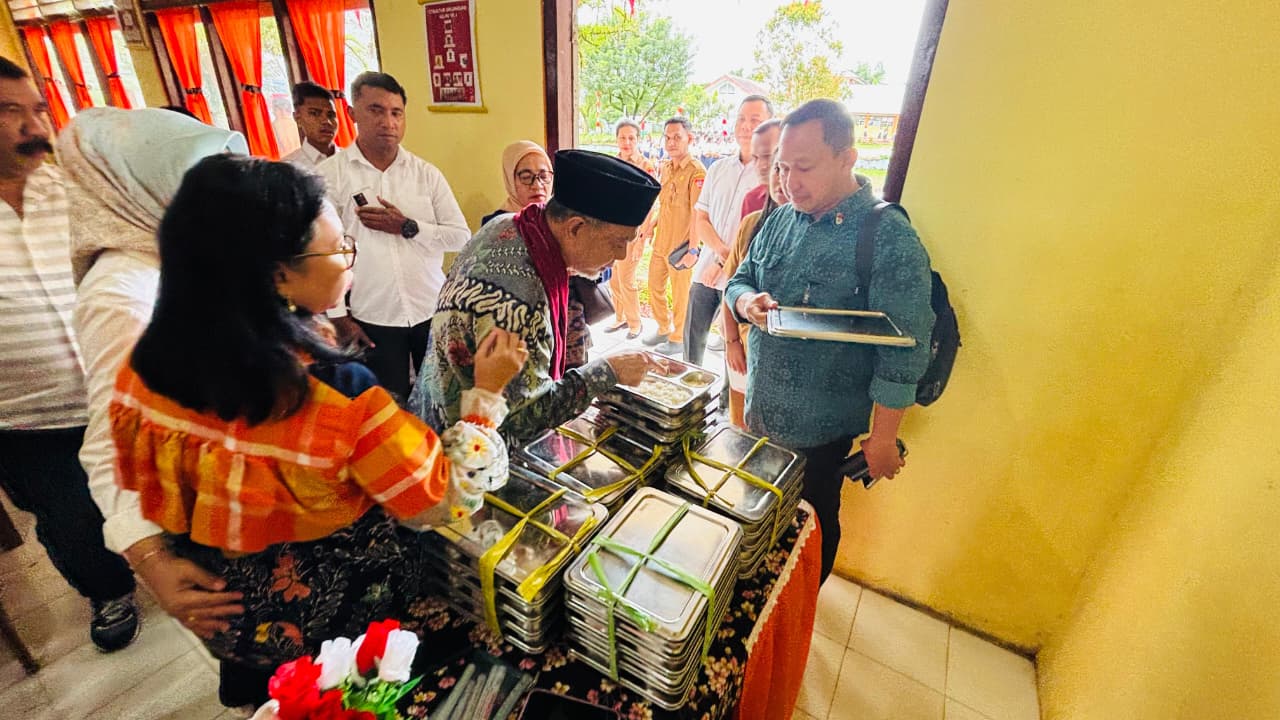
Jakarta, dpd.go.id — Alleged food poisoning linked to the Free Nutritious Meals (Makan Bergizi Gratis/MBG) program has occurred again. Hundreds of students in Tana Toraja, South Sulawesi, reportedly experienced health problems after consuming MBG meals. The recurring incidents have prompted Vice Speaker of the Regional Representative Council of the Republic of Indonesia (DPD RI) Tamsil Linrung to call on the National Nutrition Agency (BGN) to conduct a comprehensive evaluation, covering not only kitchens and operational procedures but also the entire oversight chain and those directly responsible at each Nutrition Fulfillment Service Unit (SPPG).
Tamsil said the DPD RI would seek an explanation from BGN through a Working Meeting (RDP). He said the forum was necessary to identify the root causes of the incidents and ensure that BGN’s corrective measures do not stop at responding after cases have occurred.
“The DPD RI will seek an explanation from BGN. We want to know what actually happened and how the oversight system is functioning. Incidents like this must not continue to happen,” Tamsil said in Jakarta on Friday (September 4).
Tamsil said the head of each SPPG holds a strategic position in the implementation of the MBG program. As BGN’s frontline representative at the kitchen level, the SPPG head is responsible for ensuring that management and all operational processes comply with established standards.
Therefore, he said, evaluations of food poisoning incidents should not automatically place all responsibility on partners or the kitchens as a whole. BGN also needs to assess whether those entrusted with managing SPPGs have properly carried out their responsibilities.
“After looking into these recurring incidents, BGN should evaluate the appointment of SPPG heads. They are BGN’s representatives at the kitchens and are responsible for operational management. If someone is not carrying out their responsibilities to the fullest, their performance must certainly be evaluated,” Tamsil said.
He revealed that he had received various concerns from volunteers, nutritionists, accounting personnel, teachers, parents, and members of the public regarding the implementation of MBG on the ground. Among the concerns was the performance of SPPG heads, who were reportedly not sufficiently present at kitchens or fulfilling their reporting obligations.
Tamsil stressed that such information must first be verified. However, if it is found that an SPPG head has failed to fulfill their responsibilities, BGN must be willing to take action.
“I have heard complaints about the role of SPPG heads being less than optimal. Some are reportedly rarely present at the kitchens and fail to fulfill their reporting obligations. This must, of course, be verified. But if the facts confirm these complaints, BGN must not hesitate to take action. If someone is incompetent or fails to carry out their responsibilities properly, they should be promptly replaced,” he explained.
According to Tamsil, taking firm action against those responsible is necessary so that suspending SPPG operations does not become the only response whenever problems arise. Operational suspensions can also affect beneficiaries and partners who have properly fulfilled their obligations.
“We must not allow every problem to result in a kitchen being suspended, causing beneficiaries to lose access to the service and responsible partners to bear the consequences. What needs to be identified is the actual source of the problem. If the problem lies with the person entrusted with the responsibility, then that person’s performance must be evaluated,” he said.
For Tamsil, improving the MBG program cannot be achieved simply by adding regulations or tightening standard operating procedures (SOPs). The quality of human resources and the effectiveness of the oversight chain must also be strengthened.
“BGN headquarters must not work alone. Its structures at the lower levels must be empowered. Regional Coordinators (Koreg), Regional Coordinators (Korwil), and Subdistrict Coordinators (Korcam) must actively monitor implementation and undergo continuous evaluation. If oversight functions in the field are not working, incidents like these will continue to occur.”
Tamsil emphasized that oversight must be preventive. Monitoring should not only begin after an incident occurs, but must ensure that every link in the MBG implementation chain operates according to standards before meals reach beneficiaries.
“Oversight is not firefighting. We must not act only after an incident occurs. Oversight must take place before problems arise. We need to build a system capable of preventing problems, rather than becoming preoccupied with finding someone to blame after victims have already emerged.”
According to Tamsil, the enormous scale of the MBG program requires commensurate management capacity. A program as large as MBG, he said, cannot be improved through a fragmented approach.
“Every link in the chain must function properly. A single weak point can have an impact on the safety of beneficiaries,” Tamsil added. In addition to oversight issues, Tamsil highlighted the substantial budget allocation managed by BGN. In 2026, BGN received a budget ceiling of Rp268 trillion, with the majority allocated to the implementation of the MBG program.
The former chairman of the DPR Budget Committee said the size of the budget must be commensurate with institutional capacity, implementation capability, and the benefits delivered to the public.
“BGN manages a very large budget, yet budget absorption remains low. This is an anomaly. Moreover, the people most in need in the underdeveloped, frontier, and outermost regions (3T) have yet to be adequately reached,” Tamsil said.
He said that in a large-scale public service program, the ability to realize the allocated budget is directly linked to the ability to deliver benefits to the public.
“If the budget is large but services are still unevenly distributed, then there are planning and governance issues that need to be addressed,” he said.
Tamsil said budget effectiveness should also be among the issues on which BGN is asked to provide clarification during the RDP. The DPD RI, he said, has an interest in ensuring that state funds are genuinely translated into quality services that reach all regions.
AGENDA KEGIATAN
DEWAN PERWAKILAN DAERAH REPUBLIK INDONESIA