Informasi Seputar Kegiatan di DPD RI
AGENDA KEGIATAN
DEWAN PERWAKILAN DAERAH REPUBLIK INDONESIA
04 September 2026 oleh admin
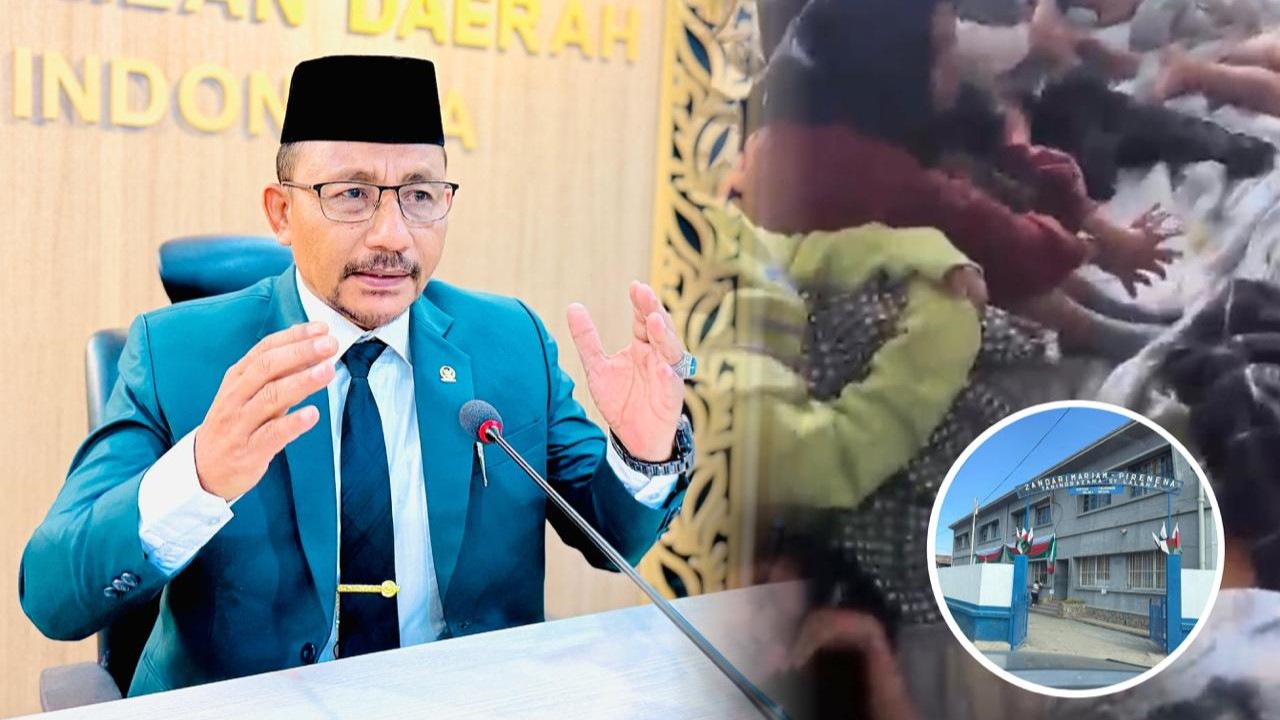
dpd.go.id - Chairperson of Committee III of the DPD RI, Dr. Filep Wamafma, highlighted the issue of validity and updating of the National Socio-Economic Single Data (DTSEN) which is currently an important basis in determining the targets of various government programs, including social assistance, education, health, and community protection guarantee programs.
According to Filep, the validity of DTSEN is crucial to avoid errors, discrepancies or delays in data updates, which can have direct implications for the public's right to obtain government assistance and services.
"Data must represent the real conditions of the community. Currently, the public can directly access decile status and complain about changes that don't reflect the actual situation. If it becomes a database, the deciles must be valid and unbiased. We must ensure that people who are eligible for assistance don't receive their rights because their decile position in the DTSEN has changed or hasn't been updated," said Filep.
He stated that communities experience dynamic social and economic conditions, including income, employment, family size, housing conditions, and educational burdens, which can change over time. Therefore, decile updates can be scheduled periodically to ensure the data represents real-world conditions.
"The government needs to ensure that status changes in the DTSEN truly reflect changes in the community's economic conditions. Administrative changes in the data system must not directly result in the loss of assistance," he stressed.
DTSEN and KIP Kuliah Program Issues
Filep, who is also the Chairperson of ADRI West Papua, assessed that several problems need to be immediately addressed in the implementation of DTSEN in the region, including data inconsistencies with the actual conditions of the community, data that has not been updated, people who have not been recorded or decile 0, issues regarding changes in deciles that are not understood by the community, and still limited access to data correction mechanisms.
"I see this issue as potentially leading to two main errors: an exclusion error, where people who should receive aid are not included; and an inclusion error, where people who do not meet the criteria are actually included as recipients," explained Filep Wamafma.
"These two errors must be minimized as much as possible, because the goal of DTSEN is to improve the accuracy of government policy targets, not to create new problems in society," Filep added.
Furthermore, Filep specifically highlighted the impact of DTSEN on educational programs, including the KIP Kuliah. He argued that students from low-income families should have the opportunity to pursue higher education with valid socioeconomic data.
"Students who truly need the KIP Kuliah must not lose their rights due to data issues. If the data is problematic, it's the data that needs to be fixed, not our children's future," Filep said.
He then asked universities and local governments to help students in the verification and correction process if there is a discrepancy between the family's economic condition and the DTSEN data.
DPD RI Committee III Encourages Strengthening of Correction Mechanisms
Filep added that Committee III of the DPD RI, which oversees education, recommended several efforts to ensure that DTSEN truly provides benefits to the community, including:
AGENDA KEGIATAN
DEWAN PERWAKILAN DAERAH REPUBLIK INDONESIA