Informasi Seputar Kegiatan di DPD RI
AGENDA KEGIATAN
DEWAN PERWAKILAN DAERAH REPUBLIK INDONESIA
08 September 2026 oleh admin
JAKARTA, dpd.go.id — The challenges faced by communities in archipelagic areas do not always stop at administrative boundaries. The Draft Bill on Archipelagic Regions (RUU Daerah Kepulauan) needs to examine issues more substantially so that the resulting policies can directly address the needs of people across various levels, from provinces down to regencies and districts.
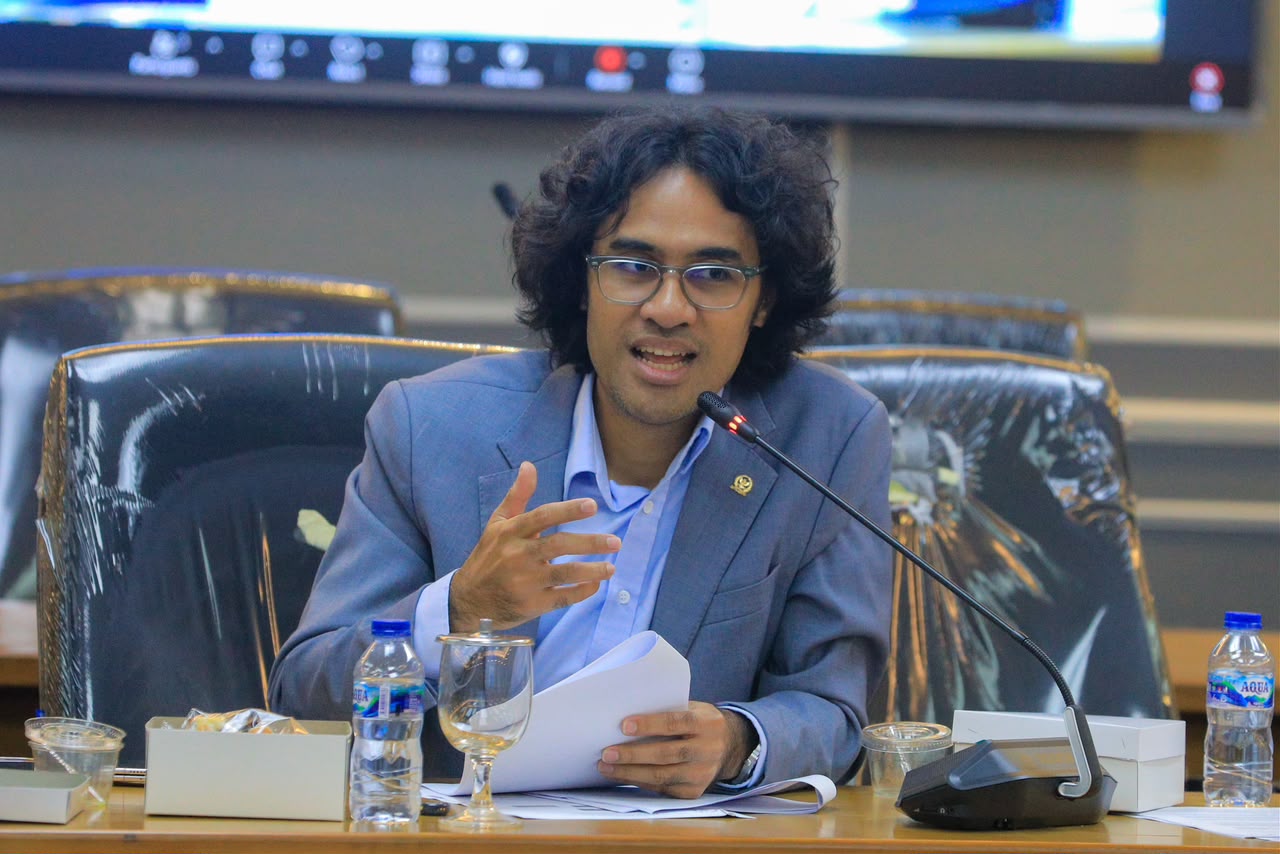
Vice Chair of the DPD RI Working Team (Timja) for the Archipelagic Regions Bill, Graal Taliawo, expressed full agreement with constitutional law expert Prof. Jimly Asshiddiqie regarding the need to re-evaluate the approach taken in drafting the bill. According to him, the Archipelagic Regions Bill should not solely focus on administrative aspects, but must resolve the real challenges faced by island communities.
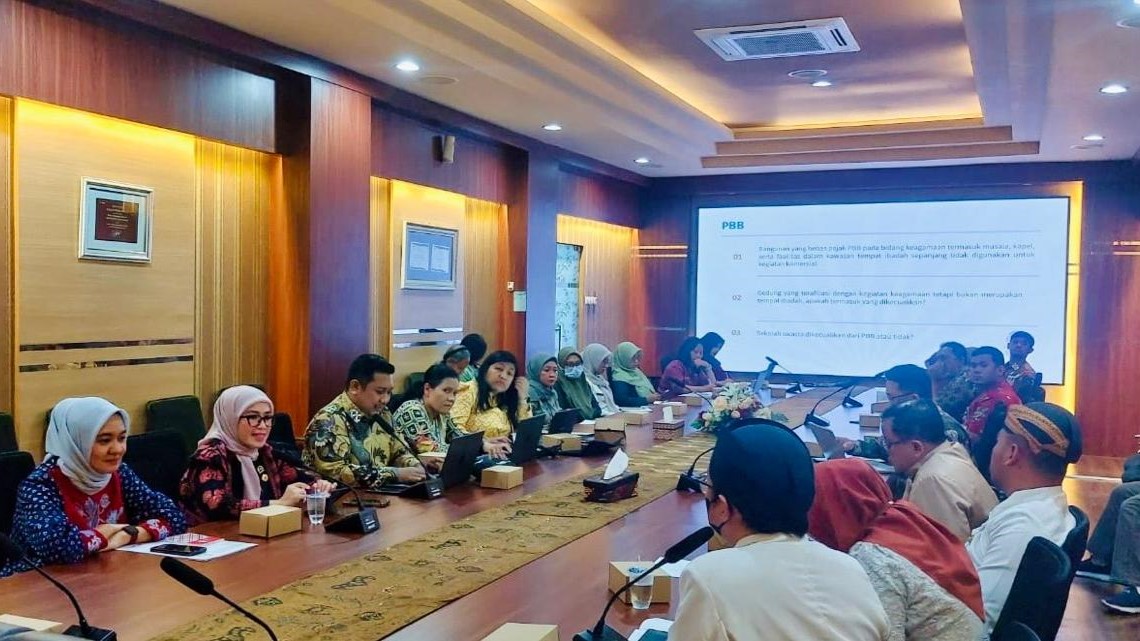
"I completely agree and am pleased with Prof. Jimly's presentation. Up until now, this bill has been heavily administrative-based. We shouldn't use that approach to solve problems; instead, we must look at them substantially, whether at the regency, provincial, or district level. Many of these issues are fundamentally the same. So, where is the orientation of this law heading? is it merely dealing with administrative matters, or is it truly answering the people's concerns?" Graal stated during the discussion on the Archipelagic Regions Bill at the Parliament Complex, Senayan, Jakarta, on Monday (September 7, 2026).
Graal noted that applying a one-size-fits-all approach to regions with distinct characteristics will only widen inequality. In his view, the geographic conditions and challenges unique to archipelagic communities demand treatment tailored specifically to each region's local characteristics.
"Treating diverse and varying conditions equally is unfair. Consequently, development becomes inequitable, ultimately fueling disparities," he said.
Therefore, Graal believes that discussions surrounding the Archipelagic Regions Bill must be directed toward anticipating problems that may arise in the future. Establishing more substantial regulations tailored to archipelagic traits is expected to serve as a foundation to prevent development gaps from widening further.
This view aligns with constitutional law expert Prof. Jimly Asshiddiqie, who argued that the main hurdle for the Archipelagic Regions Bill lies in its implementation phase. According to Jimly, no matter how well a law is written, its execution on the ground is bound to clash with various existing legislations, such as the Regional Government Law, the Coastal Areas and Small Islands Management Law, and the Environmental Protection and Management Law.
"Regarding archipelagic issues, no matter how good a law we craft, its field implementation will inevitably clash with the Regional Government Law, the Coastal Law, the Environmental Law, and others. Furthermore, our officials tend to work in silos with their respective sectoral egos. If there's a specialized law for them, they often feel they don't need to defer to other laws," Jimly remarked.
For this reason, Graal stressed that the Archipelagic Regions Bill must be bold enough to move beyond a purely administrative approach. The framework must stem from the actual problems of the public and the unique characteristics of archipelagic territories, ensuring that the resulting legislation does not merely add another layer of regulation, but truly brings about justice in development.
AGENDA KEGIATAN
DEWAN PERWAKILAN DAERAH REPUBLIK INDONESIA