Informasi Seputar Kegiatan di DPD RI
AGENDA KEGIATAN
DEWAN PERWAKILAN DAERAH REPUBLIK INDONESIA
20 April 2026 oleh admin
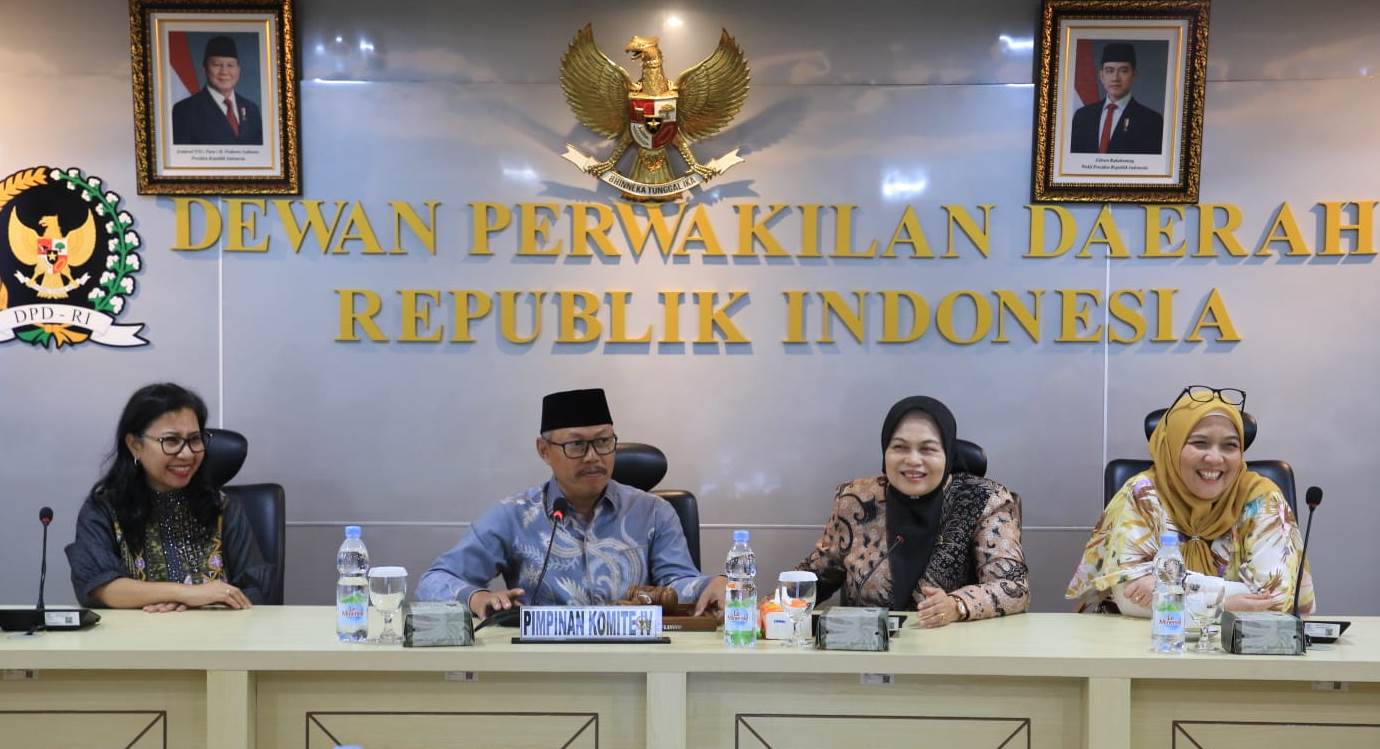
dpd.go.id Batam – Committee IV of the House of the Regional Representatives (DPD) of the Republic of Indonesia is encouraging the optimization of the implementation of Law Number 1 of 2022 concerning Financial Relations between the Central Government and Regional Governments (HKPD Law) in order to strengthen fiscal decentralization and encourage equitable development.
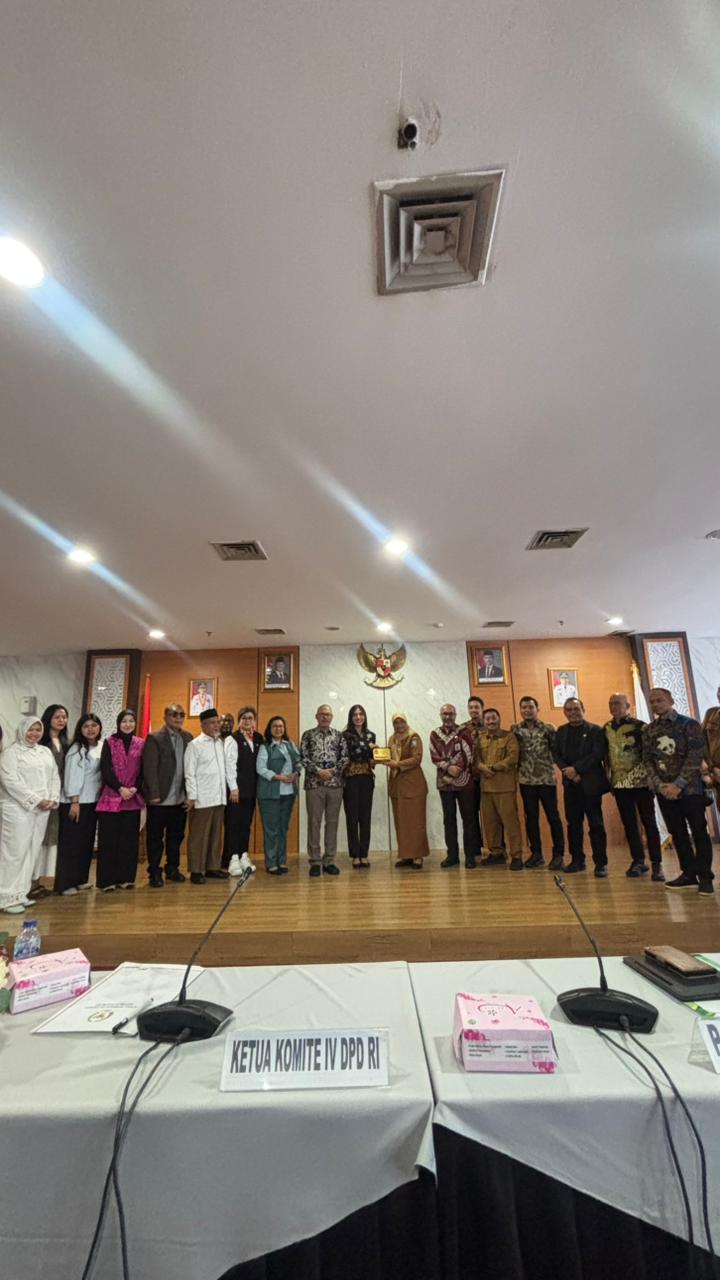
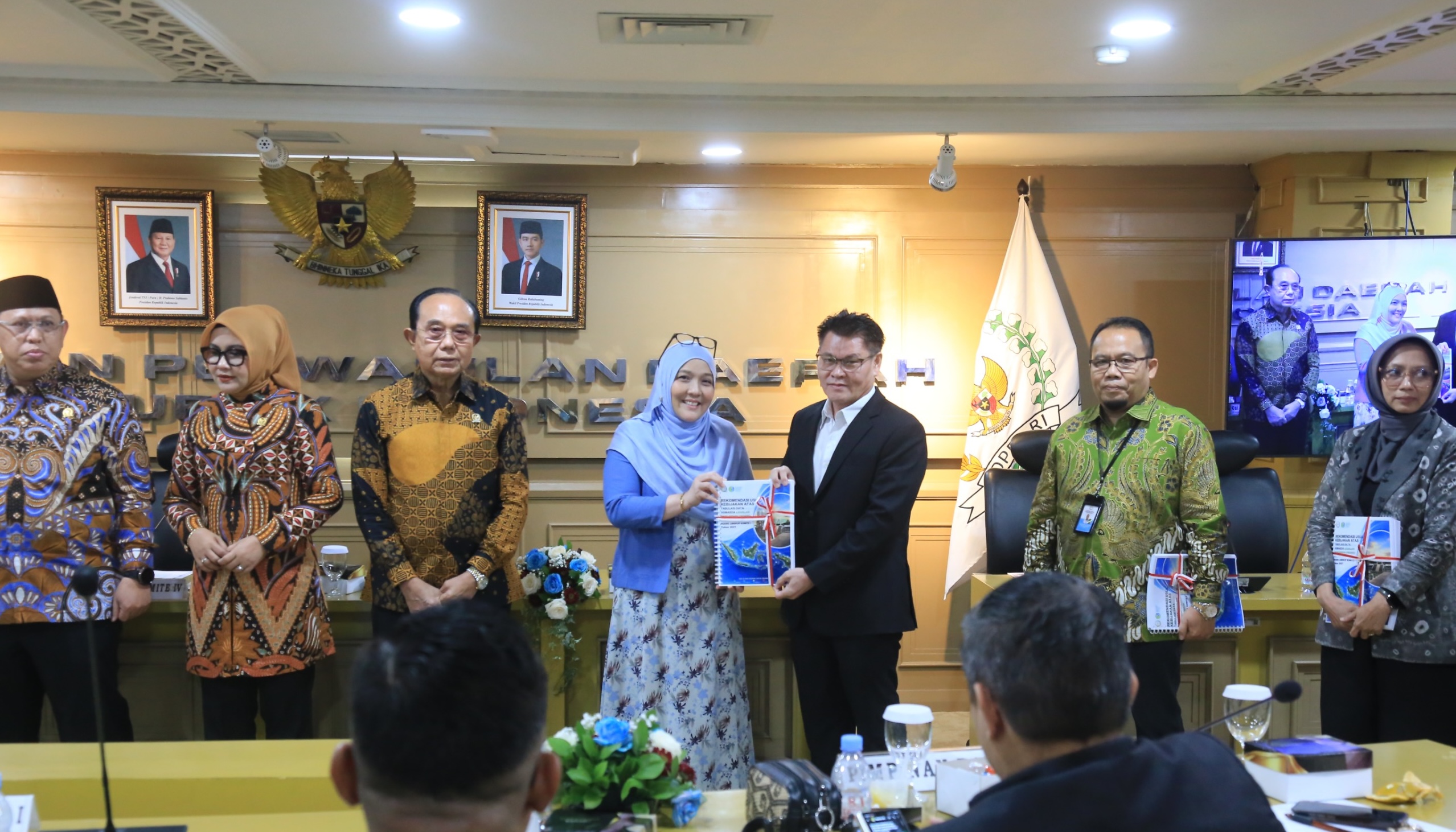
Member of Committee IV of the DPD RI, Dwi Ajeng Sekar Respati, as the coordinator of the working visit to the Riau Islands Province (Kepri), said that this activity was part of the supervisory function for the implementation of the HKPD Law in the region.
"The implementation of the HKPD Law is expected to strengthen a healthier and more sustainable fiscal decentralization design, particularly through restructuring the transfer to regions (TKD) scheme, strengthening Regional Original Income (PAD), and improving the quality of regional spending," said Sekar Respati.
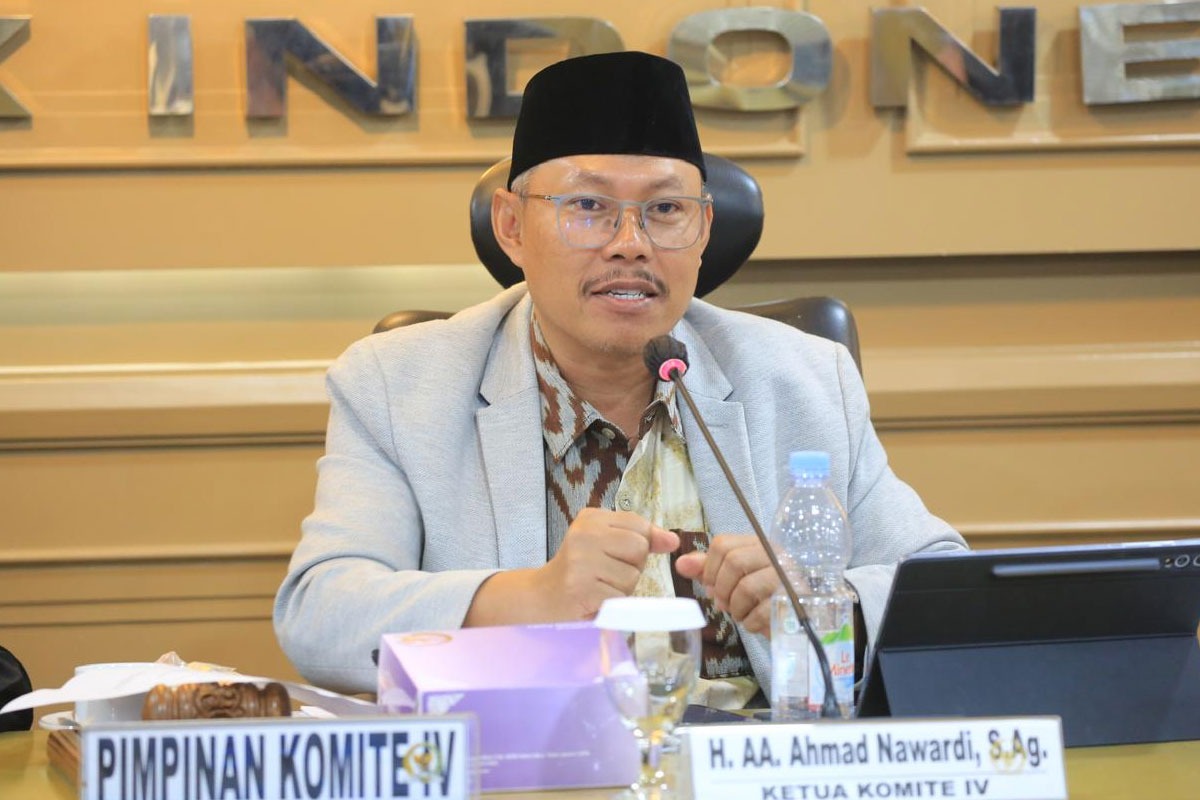
Chairperson of Committee IV of the DPD RI, Ahmad Nawardi, emphasized the importance of monitoring the implementation of the HKPD Law, especially amidst global economic uncertainty.
"Implementing the Regional Government's Regional Budget (HKPD) Law is crucial to ensure that regional fiscal space can be utilized productively and have a direct impact on the community," Nawardi said.
He added that the HKPD Law not only functions as a regulatory instrument, but is also key to maintaining national and regional fiscal stability, while simultaneously encouraging equitable development and sustainably strengthening the regional economy.
Meanwhile, the Regional Secretary of the Riau Islands Province, Luki Zaiman Prawira, who represented the Deputy Governor of the Riau Islands, revealed that the regional government faces challenges in financial management.
"We must meet various established spending obligations, such as allocating 30 percent for personnel expenses, 40 percent for infrastructure, and 20 percent for education. This limits regional fiscal space," he said.
However, the Riau Islands Provincial Government continues to make various efforts to increase regional revenue, including through strengthening regulations, digitizing the tax payment system, improving service quality, and innovations such as e-Samsat and T-Samsat to improve taxpayer compliance.
The Head of the Regional Revenue Agency (Bapenda) of the Riau Islands Province, Abdullah, stated that the implementation of the HKPD Law has encouraged the transformation of regional fiscal policy, particularly in the management of taxes and levies.
"The contribution of regional taxes to local revenue (PAD), which reaches over 80 percent, demonstrates this sector's strategic role in supporting regional fiscal independence. However, challenges remain, such as changes to the motor vehicle tax policy, which has resulted in a decline in revenue at the provincial level," he explained.
On the other hand, the Head of the Regional Financial and Asset Management Agency (BPKAD) of the Riau Islands Province, Venni Meitaria, highlighted the regional spending structure, which is still dominated by operational spending, especially employee spending.
"The ever-increasing pressure on employee spending, the need for teaching staff, and the impact of tax-option policies have the potential to create fiscal disparities between regions," he said.
Venni also expressed her concerns regarding regional transfers (TKD). "We hope for transparency from the central government in calculating TKD, including the General Allocation Fund (DAU), as well as for regional government involvement in the allocation process," she added.
All members of Committee IV of the DPD RI who were present expressed their commitment to continue fighting for regional aspirations and conveying them to the central government.
"The DPD RI will always be a bridge for regions to convey various problems to the central government," stressed Habib Alwi, a member of Committee IV of the DPD RI.
Closing the activity, Nawardi emphasized that the success of fiscal policy implementation is not only determined by regulations, but also by the effectiveness of coordination and institutional readiness.
"All input from this working visit will be crucial for Committee IV in formulating more rigorous policy recommendations to ensure that fiscal decentralization is truly capable of promoting equitable development and public welfare," he said.
He also emphasized Committee IV's commitment to continue overseeing the implementation of the HKPD Law so that it not only runs administratively, but also provides real, fair, and sustainable impacts for the community.
AGENDA KEGIATAN
DEWAN PERWAKILAN DAERAH REPUBLIK INDONESIA