Informasi Seputar Kegiatan di DPD RI
AGENDA KEGIATAN
DEWAN PERWAKILAN DAERAH REPUBLIK INDONESIA
14 July 2026 oleh admin
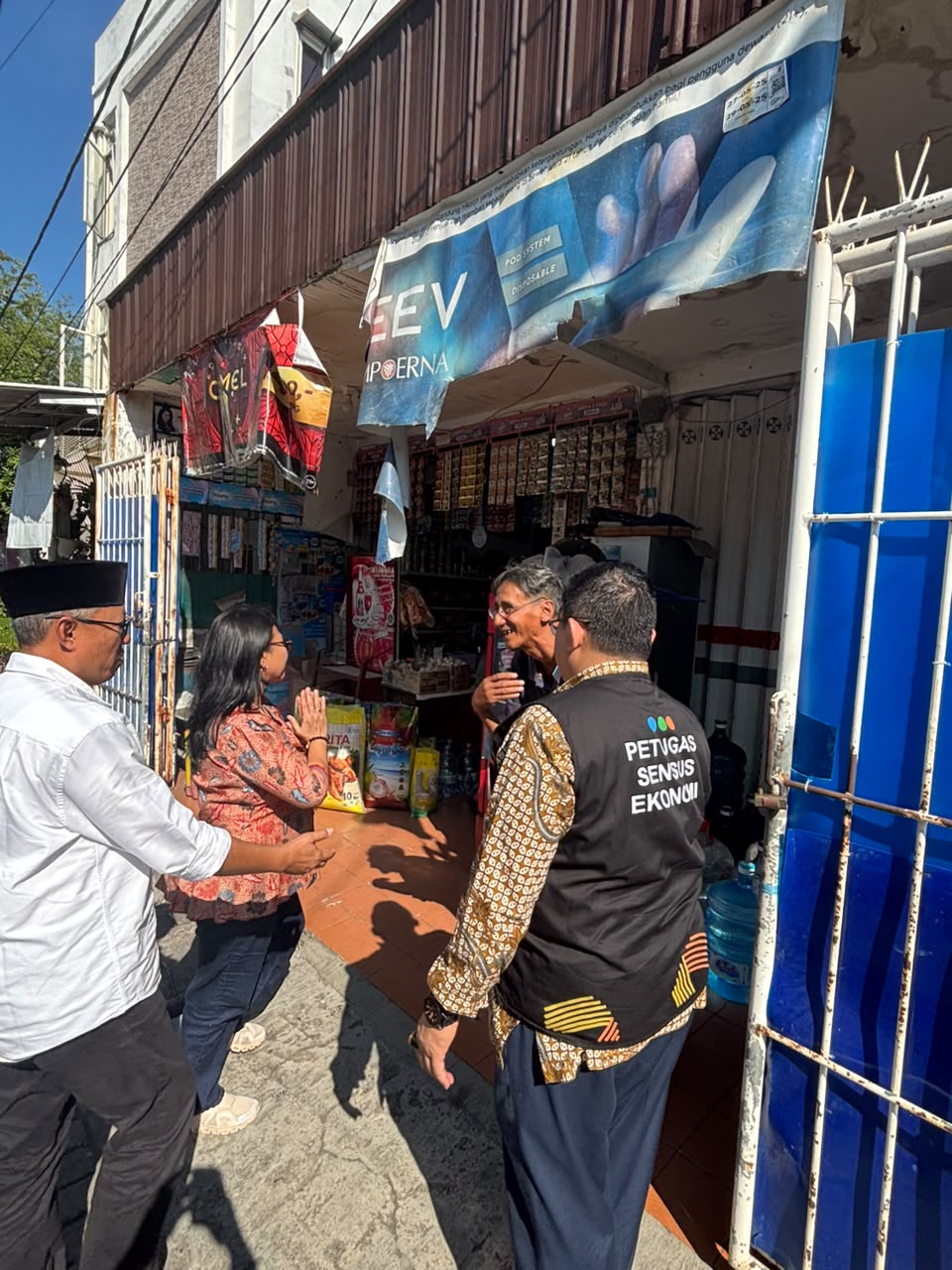
dpd.go.id Surabaya – As a form of supervision of the implementation of Law Number 16 of 1997 concerning Statistics, the Chairperson of Committee IV of the DPD RI conducted a fieldwork visit to the Kertajaya area, Surabaya City, on Sunday (12/7/2026).
Surabaya City was specifically chosen as the main location for the review because of its status as the epicenter of the economic driver and a barometer of the business climate in East Java, which has the largest concentration of non-agricultural business actors in the province. The characteristics of Surabaya with its high population density and commercial activity are considered to be very representative of the complexity of the real challenges of census data collection in urban areas.
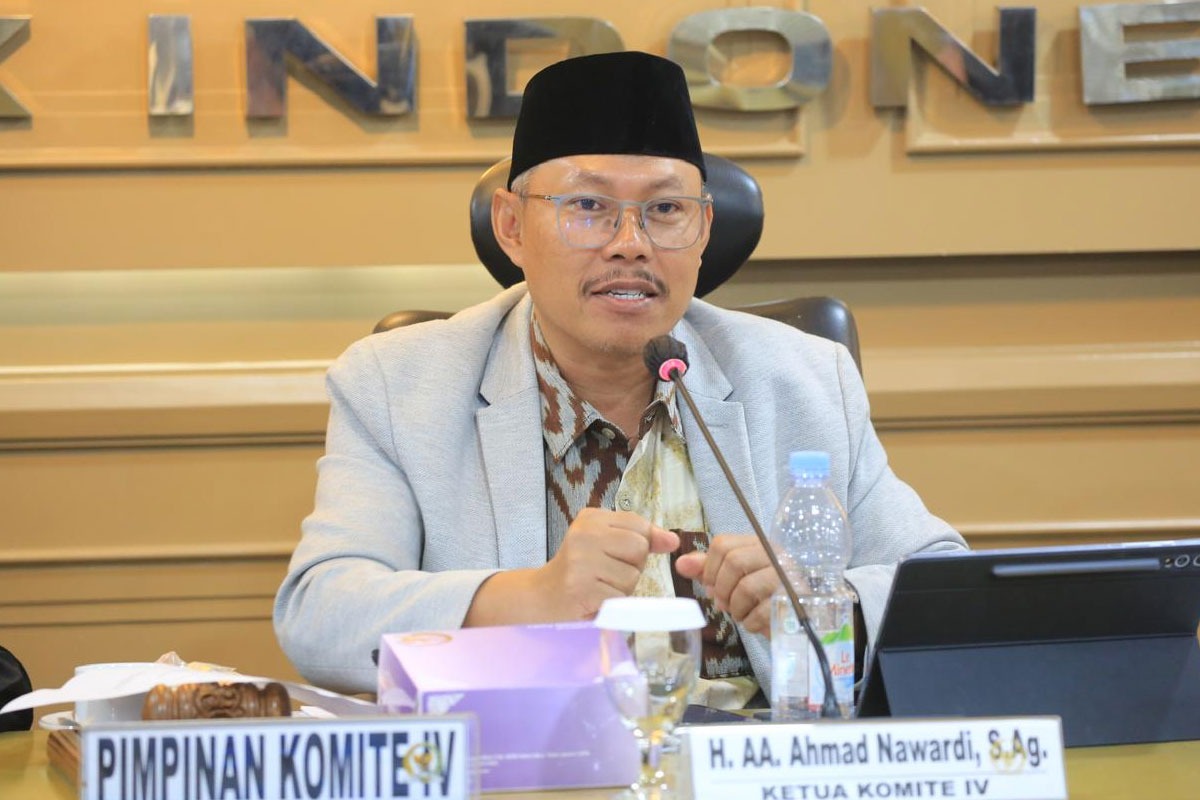
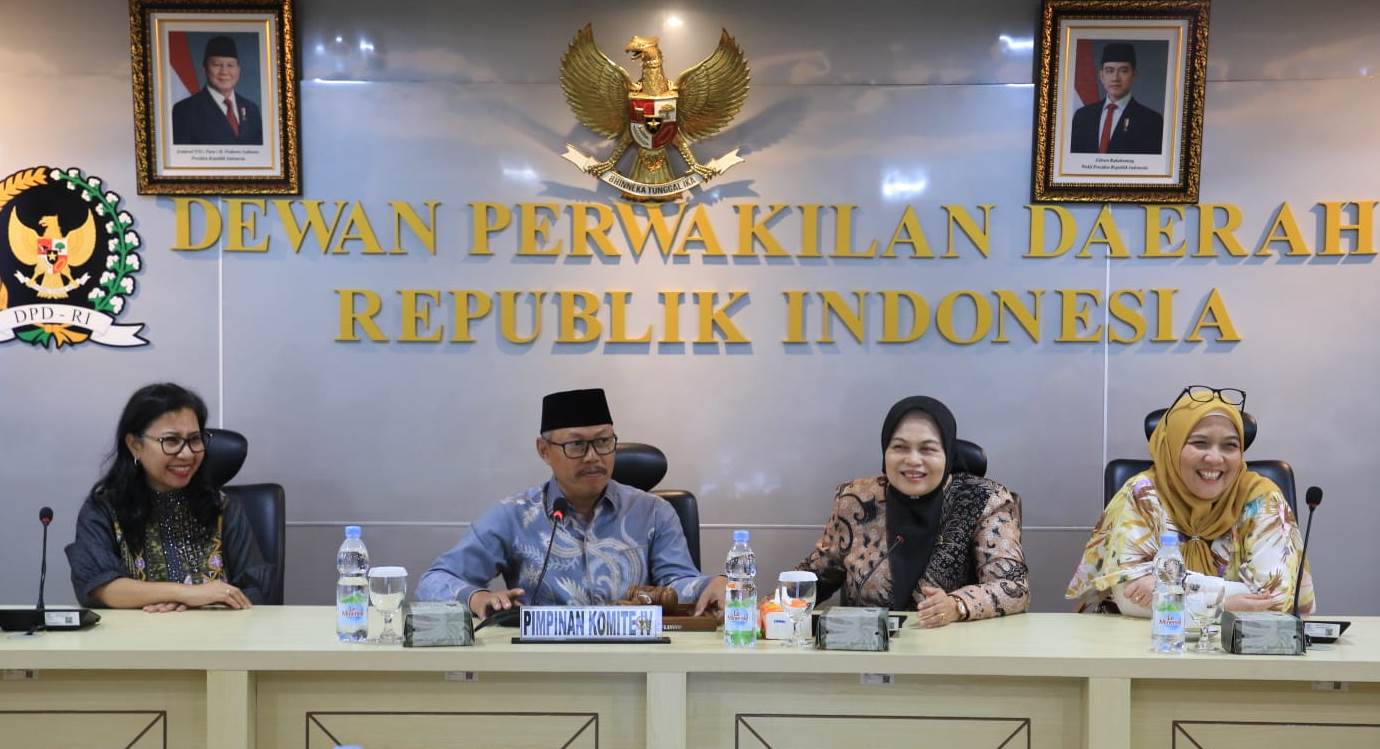
The visit, led directly by the Chairperson of Committee IV, Senator Ahmad Nawardi, and the Deputy Chair of Committee IV, Senator Novita, aimed to directly monitor the door-to-door data collection process for the 2026 Economic Census (SE2026) at the grassroots level. During their visits to residential areas, the leaders of Committee IV interacted intensively with census officers on duty to gather comprehensive information regarding real conditions on the ground. Based on these findings, officers faced various dynamics in collecting data from every household and micro and small business owners. Several significant obstacles noted by the Senators included adjusting officers' visiting hours, which often did not coincide with business owners' operating hours or free time, and bureaucratic obstacles where some local officials, such as the RT Head, were uncooperative with the data collection process.
Furthermore, the lack of literacy and education regarding the urgency of the census among the community made some business owners reluctant or did not understand the purpose of the data collection, which ultimately often led to misunderstandings between field officers and residents.
Amidst these challenges and public resistance, Senator Ahmad Nawardi expressed his deep appreciation for the persistence of field officers who were still able to complete data collection on at least 13 respondents in a single day in densely populated areas. To minimize obstacles and prevent social friction, officers were assured of diligently following Standard Operating Procedures (SOPs). Senator Nawardi emphasized that mitigation measures, such as coordination and requesting permission from the local neighborhood association (RT) head before beginning data collection, are crucial preventative measures, not only to ensure officer safety but also to build public trust so that data collection runs smoothly.
The implementation of SE2026 in East Java itself is one of the biggest demographic and administrative challenges in Indonesia, considering that this region covers 666 sub-districts spread across 29 regencies and 9 cities, with a total of 8,501 villages or sub-districts. Looking at the results of the previous Economic Census in 2016 (SE2016), the City of Surabaya recorded significant business growth with a total of 382,768 businesses or non-agricultural companies, which is a five percent increase compared to the results of SE2006. Of this number, Surabaya's economic structure is heavily dominated by small business actors, where 95 percent or 365,071 are Micro and Small Enterprises (MSEs), while the remaining five percent or 17,697 are Medium and Large Enterprises (UMB).
Data from the 2026 Economic Census is considered crucial as a foundation for formulating future economic development policies, from empowering MSMEs, mapping investments, to transforming the digital economy, which is the backbone of East Java's economy.
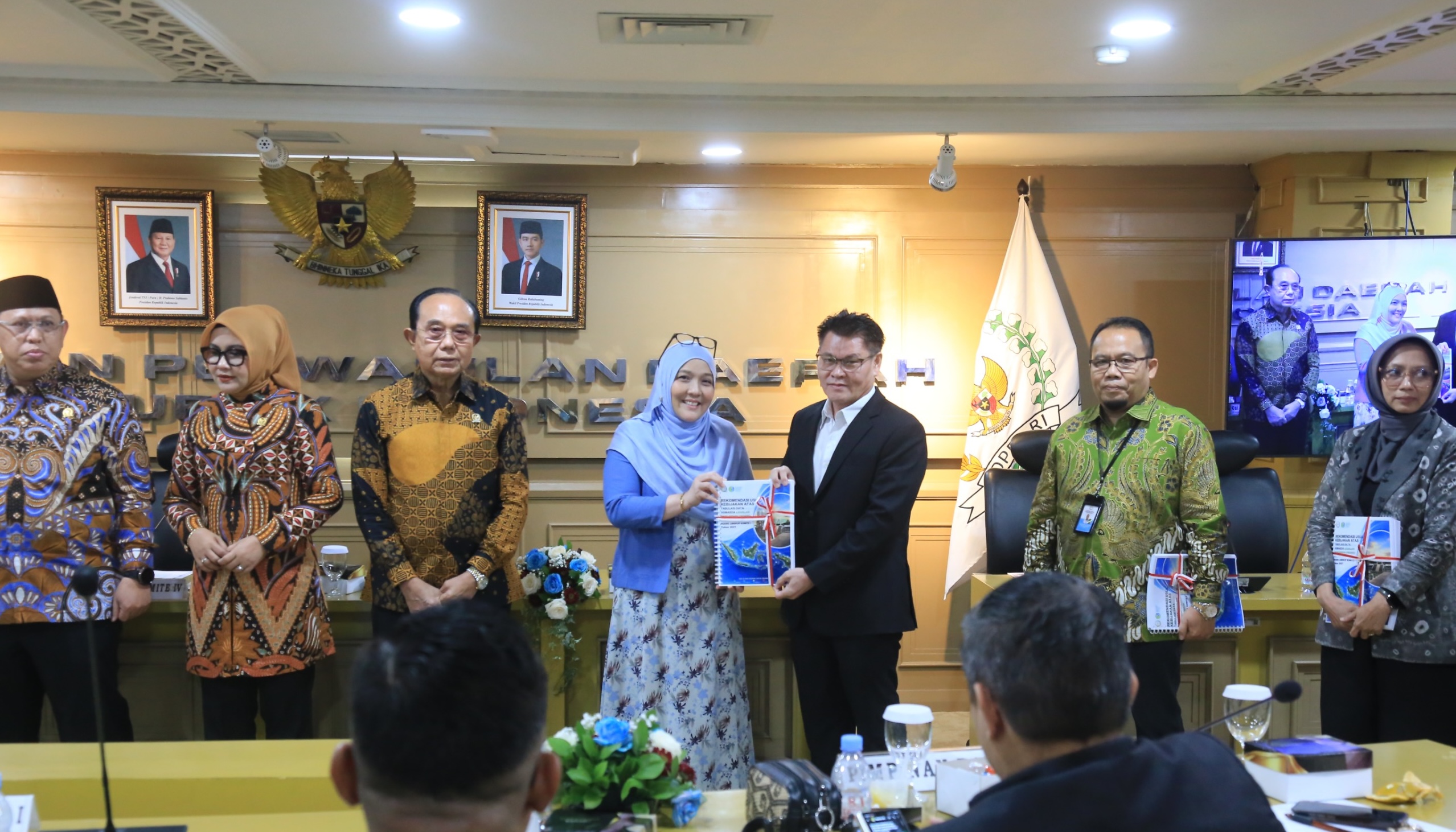
Therefore, Committee IV of the House of the Regional Representatives of the Republic of Indonesia (DPD RI) also highlighted the importance of digital innovation support from the Central Statistics Agency (BPS), such as the use of the Kendedes platform designed to accurately map economic directories down to the smallest Local Environmental Unit (SLS). The results of the field review in Surabaya will later be summarized and used as material for an in-depth evaluation as a basis for formulating policy recommendations at the central level. However, to ensure optimal implementation of the 2026 Economic Census, free from bureaucratic obstacles at the grassroots level, and producing precise data, full support from all parties is absolutely necessary. Committee IV of the DPD RI invites all elements of society, regional government officials, regional apparatus, and business actors to synergize and cooperate in making this national priority agenda a success in order to realize regional economic progress and shared prosperity.
AGENDA KEGIATAN
DEWAN PERWAKILAN DAERAH REPUBLIK INDONESIA