Informasi Seputar Kegiatan di DPD RI
AGENDA KEGIATAN
DEWAN PERWAKILAN DAERAH REPUBLIK INDONESIA
27 May 2026 oleh admin
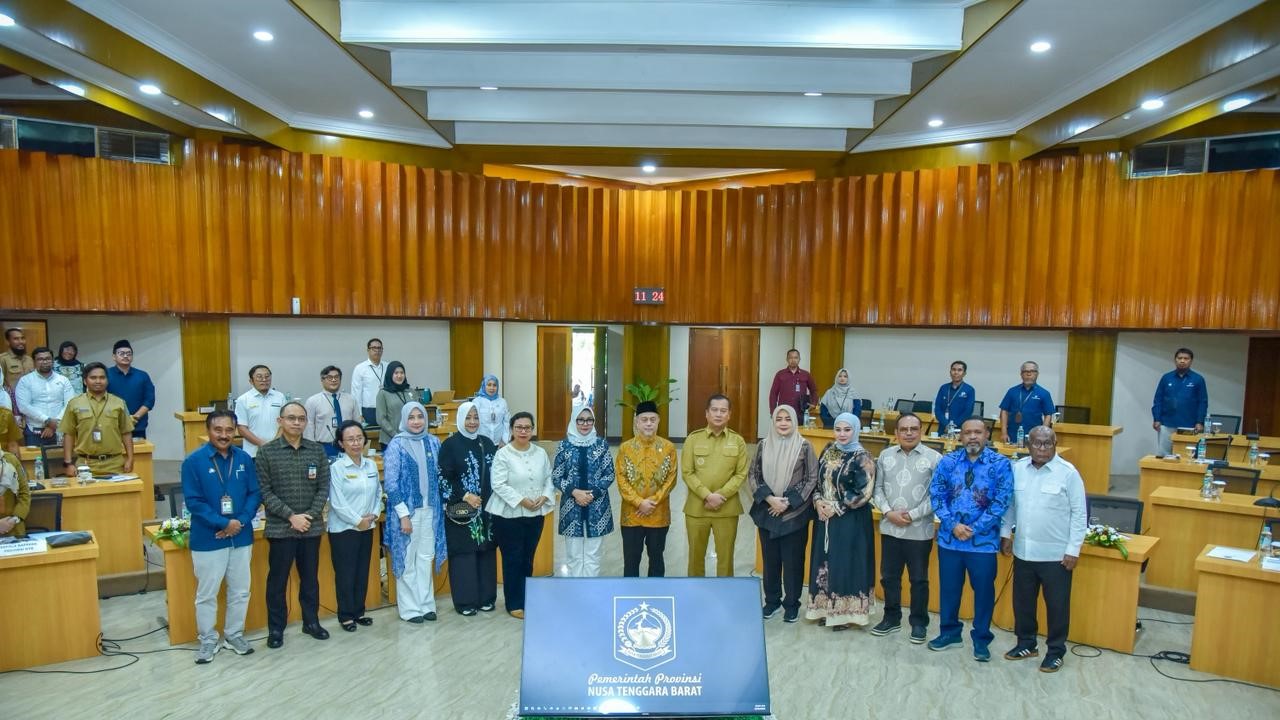
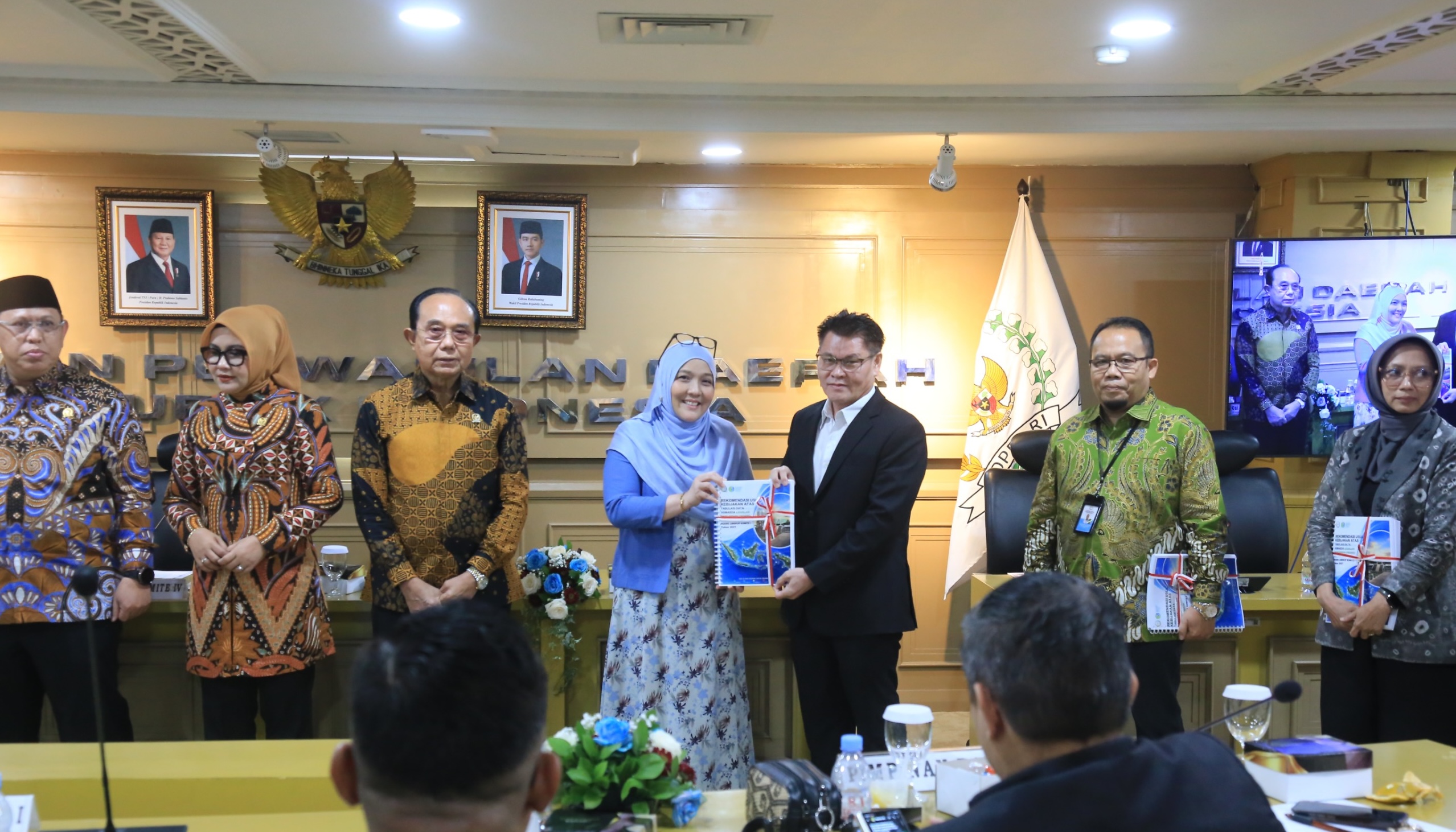
Mataram, dpd.go.id – Committee IV of the Regional Representative Council of the Republic of Indonesia (DPD RI) conducted a strategic working visit to West Nusa Tenggara (NTB) Province on Monday (May 25, 2026). The visit focused on overseeing the implementation of Law No. 17 of 2025 concerning the 2026 State Budget (APBN), which will serve as a crucial foundation for DPD RI in formulating its recommendations on the 2027 Macroeconomic Framework and Fiscal Policy Priorities (KEM-PPKF).
Amid ongoing global uncertainty, the 2026 State Budget plays a vital role in maintaining national economic stability while driving inclusive regional economic transformation. Through this working visit, Committee IV sought to ensure that every rupiah allocated through the Regional Transfer Fund (TKD) scheme effectively contributes to local economic growth, poverty reduction, and the improvement of basic public services in NTB.
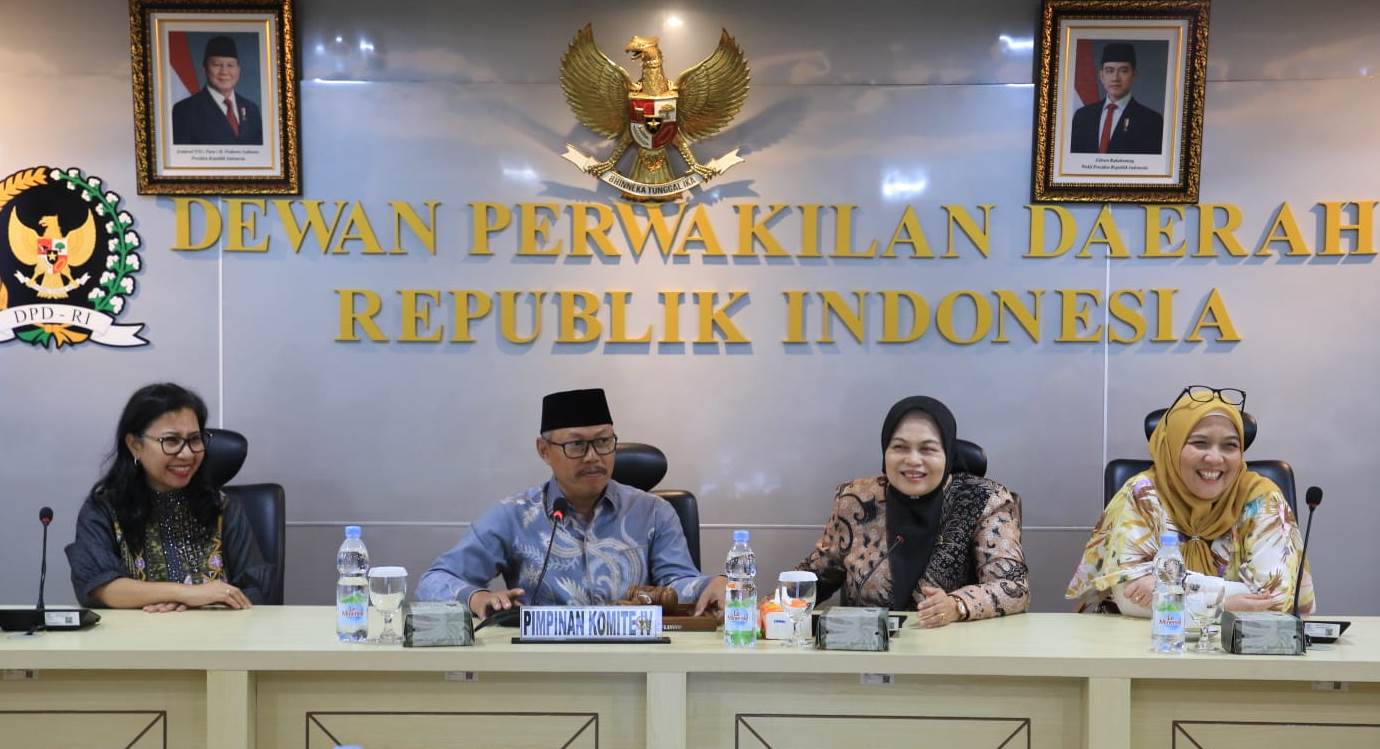
The program commenced with strategic remarks by DPD RI Deputy Speaker Tamsil Linrung, who underscored the importance of intensive oversight to ensure that state budget allocations align with the regions' actual needs. The coordination meeting was subsequently chaired by the Deputy Chairperson of Committee IV, Novita Anakotta, S.H., M.H., a Senator from Maluku, accompanied by Evi Apita Maya, S.H., M.Kn., who served as both the Working Visit Team Coordinator and the host representative.
In its regional fiscal review, the Regional Office of the Directorate General of Treasury (DJPb) NTB reported outstanding performance in state revenue collection, surging by 127.91 percent year-on-year as of April 2026. The remarkable increase was primarily driven by export duty revenues from copper concentrate shipments.
Despite this achievement, the effectiveness of Regional Transfer Fund spending continues to face technical challenges. Budget realization has reached only 33.63 percent of the allocated ceiling. Delays in the submission of required documents by local governments, along with adjustments to information systems for Village Fund and Revenue-Sharing Fund (DBH) disbursement, were highlighted as critical issues requiring immediate attention to sustain regional development momentum.
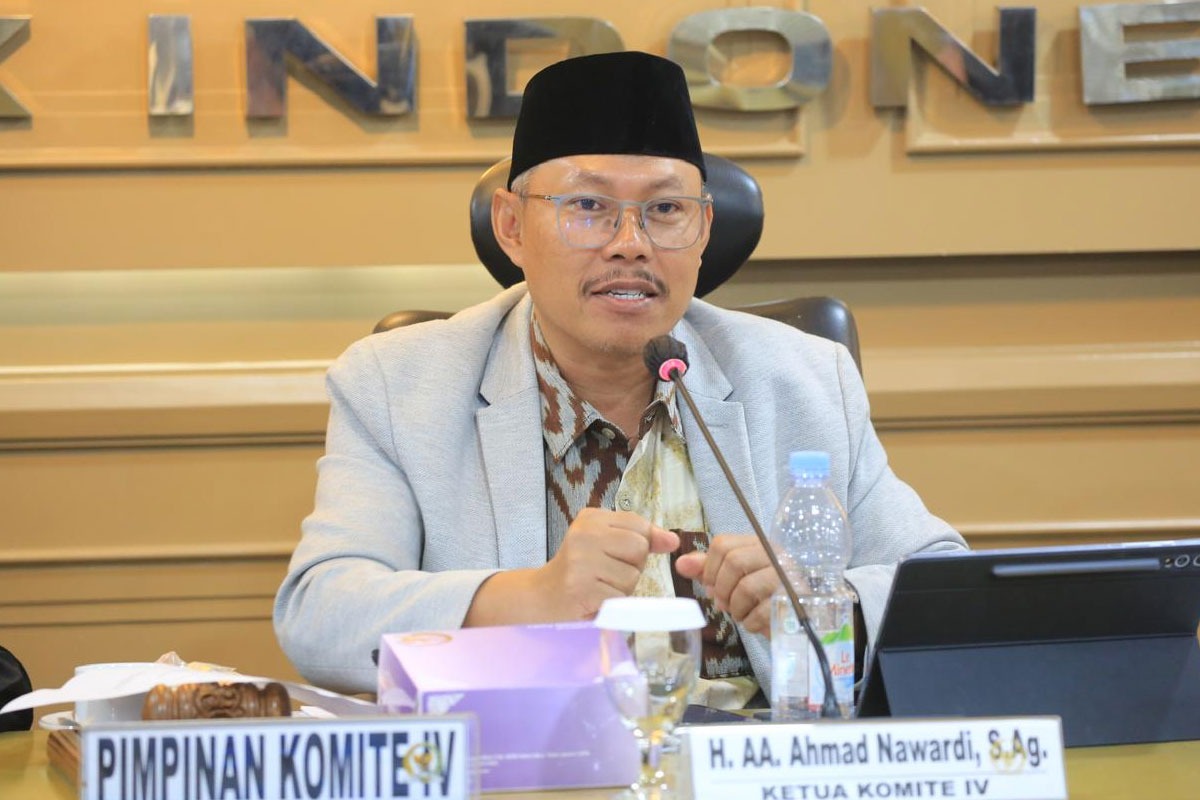
Beyond budget absorption concerns, Committee IV Chairperson Ahmad Nawardi highlighted a significant gap in NTB’s financial system stability. While Bank Indonesia reported positive growth in Third-Party Funds (DPK) and a low Non-Performing Loan (NPL) ratio of 2.21 percent, credit distribution was deemed insufficient relative to NTB’s robust economic growth, which reached 13.64 percent year-on-year.
"We observe a considerable gap between Third-Party Funds and credit distribution. Why does credit absorption remain limited despite the region’s exceptionally strong economic growth? We must ensure that the banking sector does not become overly conservative, thereby restricting access to capital for MSMEs and the real sector. What we need is a more expansive yet prudent lending policy," stated the East Java Senator.
Committee IV also expressed serious concern regarding the purchasing power of local communities. According to data from the National Socioeconomic Survey (Susenas) compiled by Statistics Indonesia (BPS) NTB, nearly 70 percent of household expenditure in the province is devoted solely to food consumption. This figure reflects a high degree of social vulnerability to inflationary pressures. "Even a slight increase in the prices of staple commodities such as rice or chili peppers could significantly impact household welfare. We urge local governments to maximize the use of micro-level data so that fiscal interventions and social assistance programs are accurately targeted and effective in mitigating such risks," Ahmad Nawardi emphasized.
Responding to these developments, NTB Regional Development Planning Agency (BAPPEDA) Secretary Baiq Yunita Puji Widiani conveyed the region’s aspiration for DPD RI to encourage the Central Government to provide greater certainty and transparency regarding the timing of Revenue-Sharing Fund disbursements.
"This is essential to prevent recurring under-disbursement issues that often disrupt regional budget planning and implementation," she remarked.
Concluding the visit, Deputy Chairperson of Committee IV Novita Anakotta reaffirmed that all findings and aspirations gathered in NTB would be consolidated into strategic recommendations at the national level.
"Synergy between central fiscal policies, greater flexibility in bank lending, and accurate poverty data is fundamental. We must ensure that NTB’s economic growth is not merely reflected in statistical figures, but translated into tangible and inclusive prosperity for all segments of society," Novita concluded.
AGENDA KEGIATAN
DEWAN PERWAKILAN DAERAH REPUBLIK INDONESIA