Informasi Seputar Kegiatan di DPD RI
AGENDA KEGIATAN
DEWAN PERWAKILAN DAERAH REPUBLIK INDONESIA
07 July 2026 oleh admin
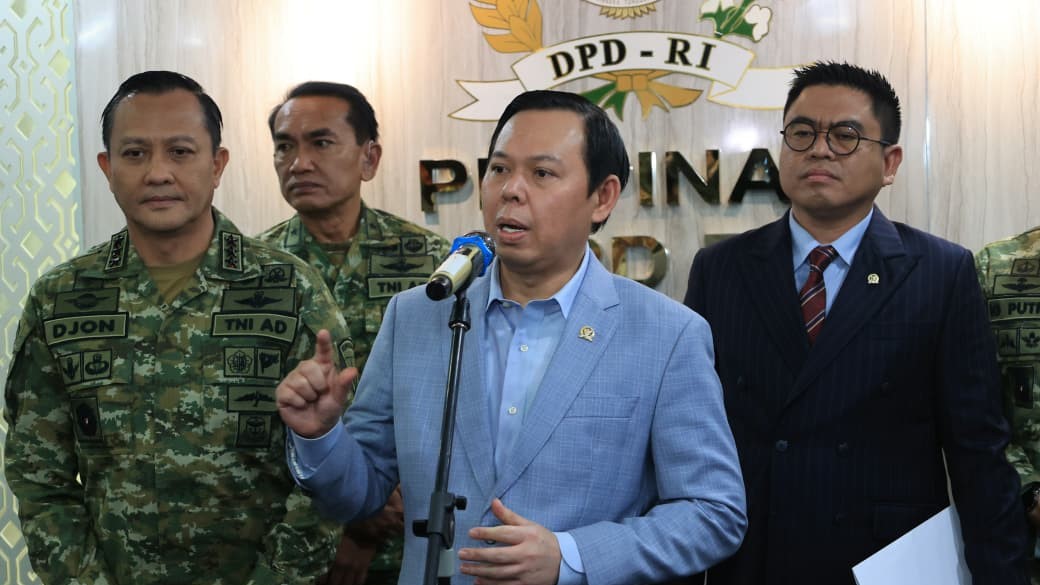
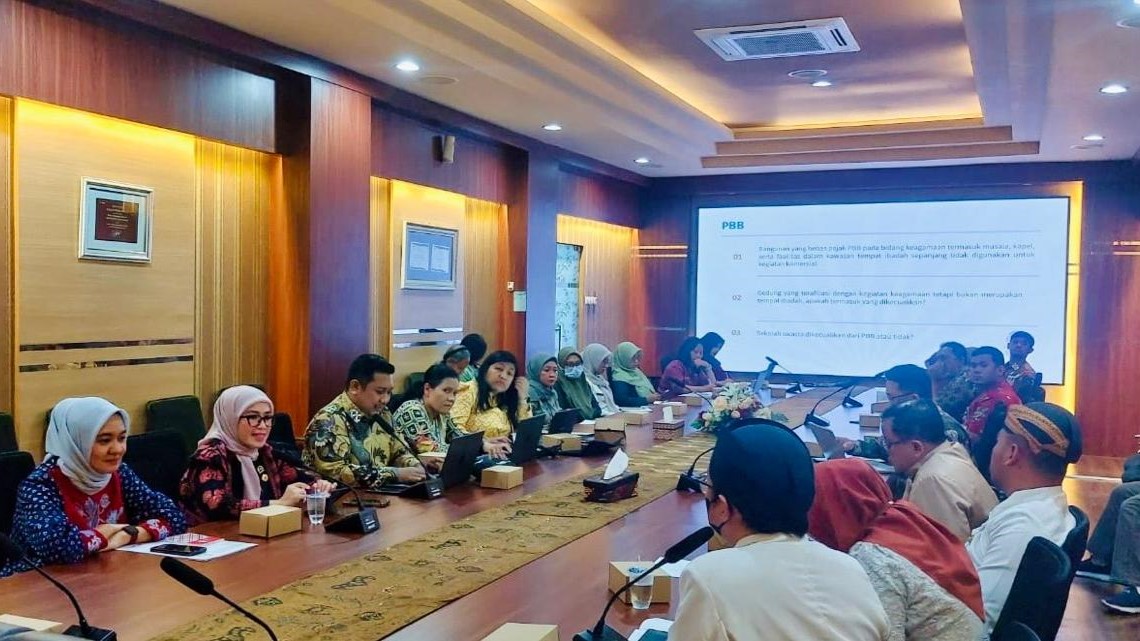
Jakarta, dpd.go.id - Member of Committee III of the House of the Regional Representatives of the Republic of Indonesia (DPD RI) for the Electoral District of West Java (Jabar) Agita Nurfianti highlighted various problems still faced by Indonesian migrant workers (PMI), ranging from the high number of non-procedural departures, the importance of improving the quality of destination-based training, to the limited budget for the repatriation of problematic PMI. This was conveyed by Agita in the Working Meeting (Raker) of Committee III of the DPD RI with the Ministry of Protection of Indonesian Migrant Workers (P2MI), Monday (6/7), at the DPD RI Office, Senayan, Central Jakarta.
Agita emphasized that West Java is one of the largest contributors of migrant workers in Indonesia. These large numbers of migrant workers also present complex issues that require serious government attention.
One issue highlighted was the continued prevalence of non-procedural departures of migrant workers. According to Agita, economic factors are the primary reason people continue to choose illegal routes, despite being aware of the various risks they face.
"Many prospective migrant workers actually understand that they are leaving without proper procedures. However, due to limited job opportunities domestically and family financial pressures, they still take the risk. They believe that if they don't go abroad, there's no guarantee of finding a job to support their family back home," Agita said.
She also revealed that non-procedural departure practices are often accompanied by falsification of administrative documents, particularly age data. This tactic is used to ensure prospective workers meet the age requirements set by the destination country and employer.
"Changes to birth data on ID cards and other documents are still being discovered. This is certainly a serious problem because it not only violates the law but also has the potential to create various protection issues once workers are abroad," she explained.
Beyond legal aspects, Agita believes that prospective migrant workers' competencies need to be continuously strengthened with more specific training materials tailored to their destination countries. One such focus is language skills.
According to her, language skills are not enough to just master the language in general, but also to understand the dialect and accent used in the destination country so that communication with employers runs smoothly and does not cause misunderstandings that lead to conflict.
In addition, prospective migrant workers also need to receive training on the social, cultural, and environmental conditions of their destination country. This information is considered crucial for prospective migrant workers to have a realistic picture of the life they will be living.
"Prospective migrant workers should know from the outset what their future living conditions will be like. In some countries, limited land makes living quarters very cramped. Many workers even have to sleep in warehouses or kitchens. This kind of information needs to be communicated openly before they depart so they can consider and consciously decide whether they are ready to accept these conditions," she said.
Furthermore, Agita encouraged closer collaboration between the Indonesian government and destination countries in providing skills training. She believes that tailored training tailored to the needs of destination countries will make Indonesian migrant workers better prepared for work and more competitive.
"For example, cooking training tailored to the culinary culture of the destination country, as well as more specific language training, ensures that workers' skills truly align with employers' needs, making the adaptation process easier," he said.
On that occasion, Agita also shared her findings from a recent recess visit to the Indonesian Migrant Worker Protection Service Center (BP3MI) in West Java. She found that limited funding for the repatriation of problematic migrant workers remains a challenge in the field.
According to Agita, almost every week, migrant workers from West Java must be repatriated to Indonesia, whether due to illness, legal issues, or death. However, the repatriation process is often hampered by financial constraints, requiring BP3MI to work in conjunction with the Manpower Office to cover these costs.
"Almost every week, migrant workers from West Java must be repatriated. Not only those who are still alive, but also their bodies. Due to budget constraints, the BP3MI and the Manpower Office must work together to ensure the repatriation process can proceed. This certainly requires serious attention from the government," Agita emphasized.
Through the working meeting, Agita hopes that strengthening the governance of migrant worker protection can be carried out comprehensively, starting from preventing non-procedural departures, improving the quality of training that is more adaptive to the needs of destination countries, and strengthening budget support for repatriation services for migrant workers facing problems abroad.
The protection for migrant workers does not only begin when they work abroad, but must be prepared from before departure until they return to Indonesia safely and with dignity.
Previously, on that occasion, Minister of P2MI Mukhtarudin conveyed several points in his presentation, including those related to the implementation of the PMI Quick Win program; the PMI protection ecosystem from Upstream to Downstream; the implementation of the Joint Circular Letter of the Minister of Home Affairs, Minister of Manpower, Minister of Villages and Development of Disadvantaged Regions, and Minister of P2MI regarding Strengthening Governance of PMI Placement and Protection; as well as Programs and Policies Related to Strengthening and Protecting the Rights of PMI Children.
AGENDA KEGIATAN
DEWAN PERWAKILAN DAERAH REPUBLIK INDONESIA