Informasi Seputar Kegiatan di DPD RI
AGENDA KEGIATAN
DEWAN PERWAKILAN DAERAH REPUBLIK INDONESIA
09 September 2026 oleh admin
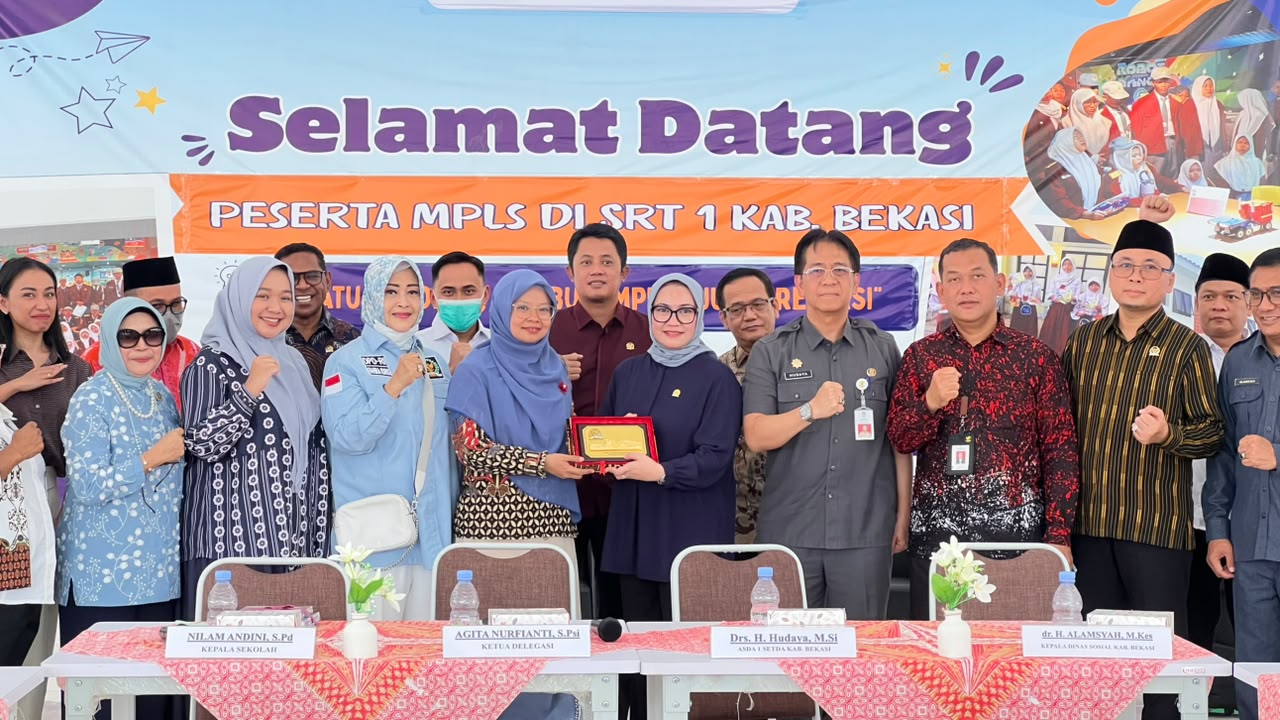
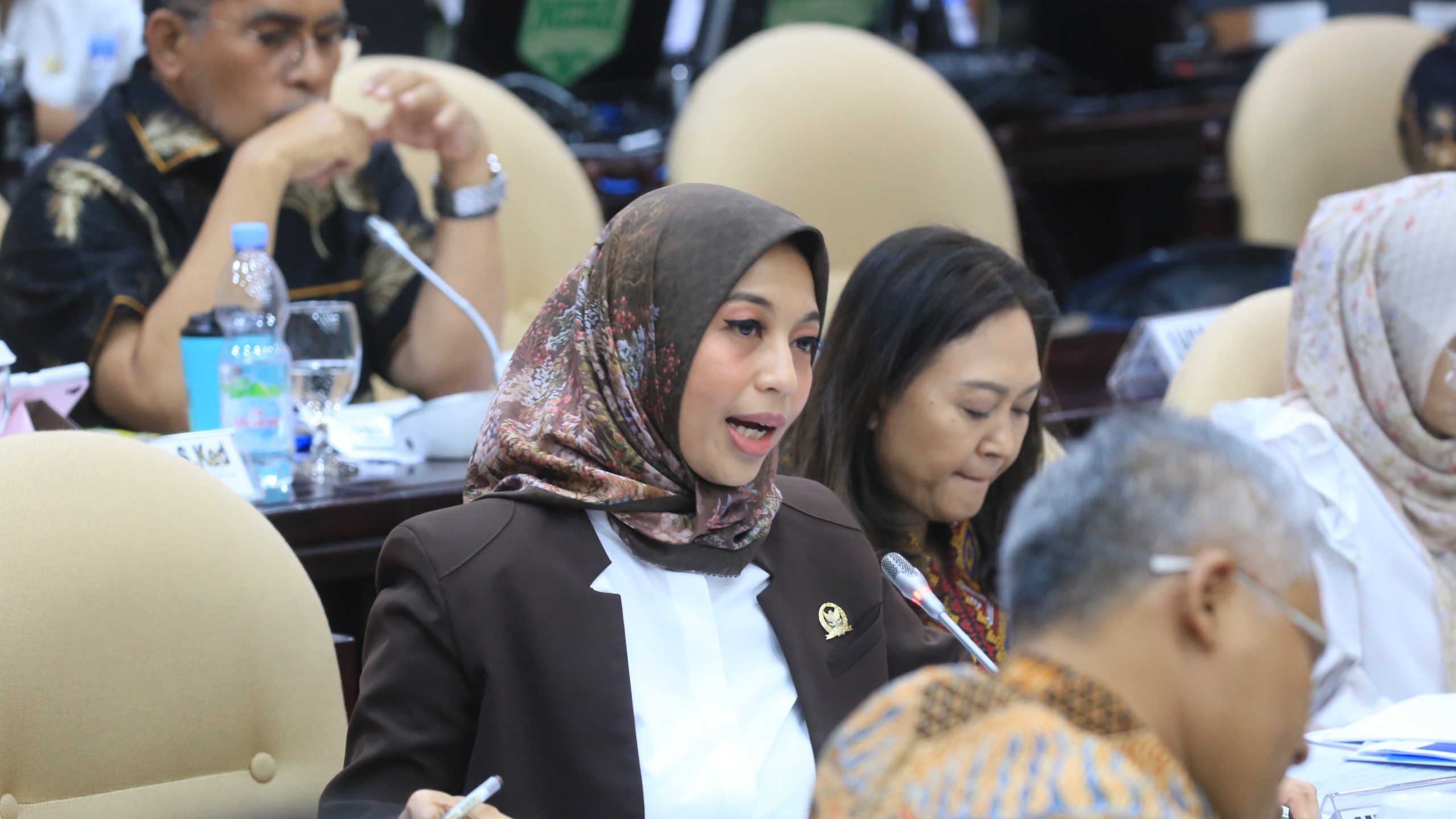
Bekasi, dpd.go.id – Member of Committee III of the House of the Regional Representatives of the Republic of Indonesia (DPD RI) representing the West Java Electoral District, Agita Nurfianti, emphasized that the People’s School must not merely stop at providing access to education, but must also address many other equally important aspects. She made these remarks while leading a Committee III DPD RI visit to Integrated People’s School (Sekolah Rakyat Terintegrasi or SRT) 1 in Bekasi Regency, West Java, on Tuesday (Sept 8, 2026).
The visit was part of Committee III DPD RI's oversight materials inventory regarding the implementation of the People’s School Program. According to her, the visit was essential to ensure that the People’s School program not only succeeds in opening access to education for children from underprivileged families, but also delivers quality education capable of guiding students toward independent lives.
“The People’s School must not merely stop at access to education. Access is only the first step. What is far more critical is guaranteeing educational quality, character strengthening, vocational skills, and the future sustainability of these children after they graduate,” Agita stated.
The Senator from West Java assessed that the People’s School Program holds a strategic position in addressing the issue of out-of-school children (ATS) while serving as an instrument to break the cycle of poverty through education.
Based on data presented during the event, the 2020 National Socio-Economic Survey (Susenas) recorded that the number of out-of-school children in Indonesia reached approximately 4.08 million, or 7.4 percent of the total school-age population. Meanwhile, data from the Ministry of Primary and Secondary Education as of April 1, 2026, indicated that over 3.9 million school-age children still lacked access to education.
“This number of out-of-school children should serve as a serious wake-up call for all of us. If not handled properly, we are not just talking about children losing the opportunity to learn today, but also about the risk of losing the quality of Indonesia's human resources in the future,” Agita said.
According to Agita, educational challenges cannot be solved simply by ensuring a child sits at a school desk. Children must also be provided with a supportive learning environment, adequate nutrition, character building, life skills, as well as opportunities to continue their education or enter the workforce.
Therefore, she highlighted three key aspects that must receive focus in operating the Folk School: boarding education, character and vocational strengthening, and comprehensive empowerment.
Boarding education, Agita noted, is expected to provide a conducive learning environment while ensuring students' basic needs are met. Meanwhile, character and vocational strengthening are vital to equip students with academic capability, discipline, national values, life skills, and competencies relevant to their futures.
Lastly, comprehensive empowerment is required so that educational interventions do not stand alone, but are integrated with social support for the students' families.
“What we are building is actually not just a school, but social opportunity. We want children from underprivileged families to have an equal chance to transform their futures through education and skills,” Agita explained.
Evaluation Must Be an Integral Part of the People’s School Agita stressed that because the People’s School Program has only been running for about one year and is entering its second year, periodic evaluations are extremely critical. In her view, evaluations must not only look at administrative aspects or student enrollment numbers, but must also encompass teacher quality, the learning process, facilities, student needs fulfillment, academic and character development, as well as educational sustainability and graduate employability in the workforce.
“We need to ensure these children do not return to their original conditions after graduating. They must possess the educational background, skills, and character that enable them to stand on their own feet,” she asserted.
During the visit to SRT 1 Bekasi Regency, Committee III DPD RI listened directly to input from local government officials, school administrators, teachers, and parents regarding the operational practices of the People’s School.
Agita stated that all feedback, including complaints and field obstacles, will be compiled as DPD RI oversight material to be discussed with relevant ministries.
“We came not only to see what is already working, but also to hear what remains a problem. Every obstacle will be brought to working meetings with relevant ministries to find solutions. Conversely, good practices we discover will be promoted as lessons learned for People’s Schools in other regions,” she revealed.
She expressed hope that the implementation of the People’s School would continue to be refined and developed so that it truly becomes an instrument of social mobility for Indonesian children.
“The People’s School must be a complete journey: from access to quality, from quality to skills, and from skills to social independence,” Agita concluded.
AGENDA KEGIATAN
DEWAN PERWAKILAN DAERAH REPUBLIK INDONESIA