Informasi Seputar Kegiatan di DPD RI
AGENDA KEGIATAN
DEWAN PERWAKILAN DAERAH REPUBLIK INDONESIA
16 July 2026 oleh admin
Jakarta, dpd.go.id - Indonesia is the largest archipelagic country in the world. However, millions of people living on small islands, outermost islands, and archipelagic regions still face development inequality. Limited access to education, health services, connectivity, regional fiscal capacity, and the suboptimal utilization of marine potential are issues that hinder public welfare. Based on these conditions, the House of the Regional Representative of the Republic of Indonesia (DPD RI) is championing the Draft Law (RUU) on Archipelagic Regions as a new foundation for national development that is more equitable and in line with Indonesia's geographical characteristics.
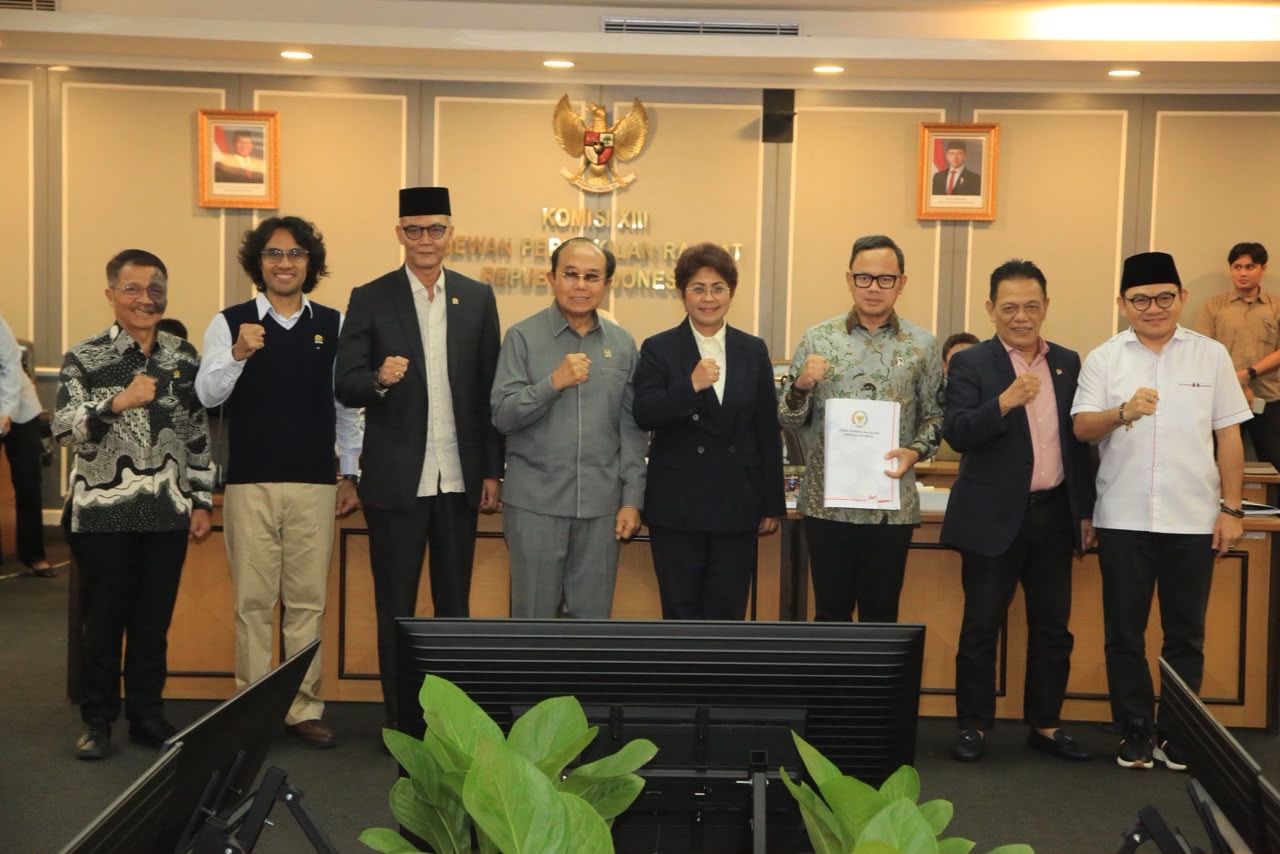
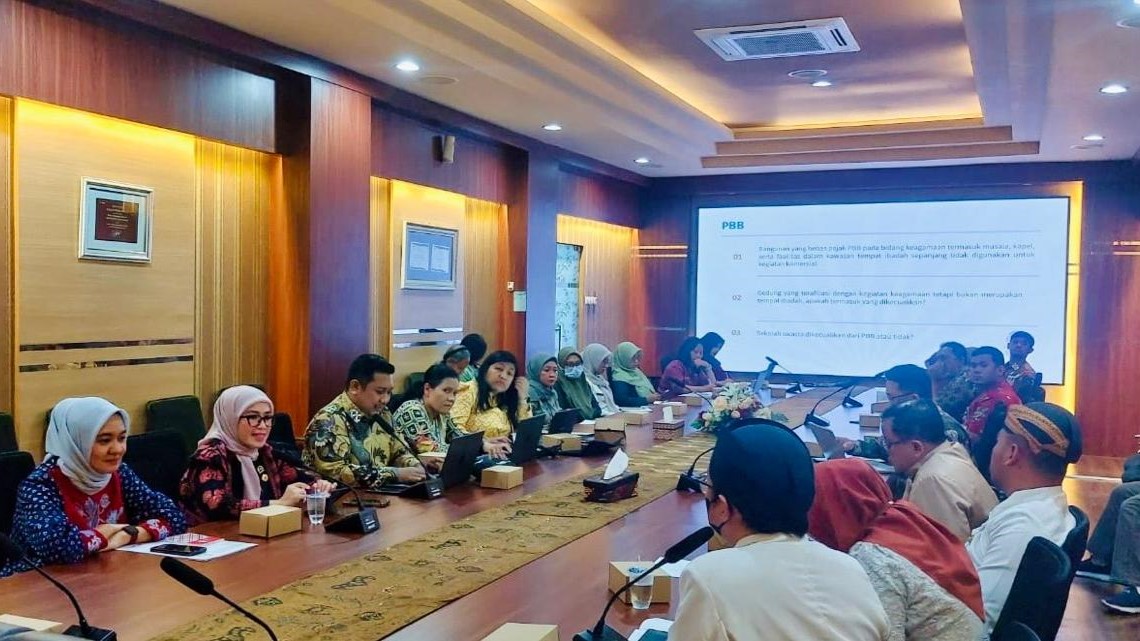
The struggle has now entered a crucial phase. After being officially discussed with the Indonesian House of Representatives (DPR RI), the DPD RI Working Team for the Archipelagic Regions Bill participated in a series of Public Hearings (RDP) held by the DPR RI Special Committee for the Archipelagic Regions Bill in conjunction with the Ministry of Home Affairs, the Ministry of Defense, the Ministry of Maritime Affairs and Fisheries, and the Ministry of Foreign Affairs. These inter-ministerial discussions aimed to strengthen the substance of the bill so that it could comprehensively address issues of archipelagic region development, from governance and fiscal justice to marine potential management, to strengthening national defense and sovereignty.
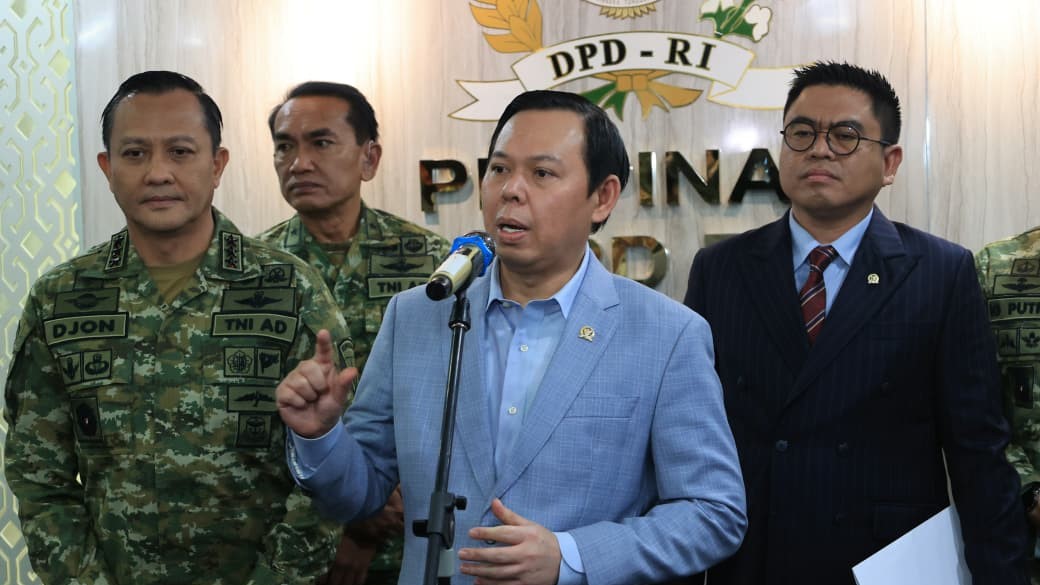
Andi Sofyan Hasdam, Chairperson of the DPD RI's Archipelagic Regions Bill Working Team, emphasized that the bill represents an attempt to correct the national development paradigm, which has historically focused on land areas. Indonesia, however, has long been recognized internationally as an archipelagic nation, and development policies should accommodate the characteristics of archipelagic regions more equitably.
"We have recognized since the Djuanda Declaration that Indonesia is an archipelagic country, but it turns out that all this time we have been oriented towards the mainland," said the Senator from East Kalimantan.
According to Andi, the Archipelagic Regions Bill is not intended to grant special privileges to any particular region, but rather to introduce affirmative policies to ensure that archipelagic regions have equal opportunities in development. The regulation is expected to strengthen governance, public services, connectivity, management of regional potential, and funding schemes appropriate to the characteristics of archipelagic regions. The urgency of the bill is even more evident considering that approximately 28.5 million people live in the ten archipelagic provinces, and approximately 3.7 million of them still live in poverty.
"It's time for us to transform the strategic potential of the archipelago into a real contribution to the nation's progress," he said.
"This bill provides a perspective or paradigm for the country to develop Indonesia based on diversity, especially in the archipelagic regions. Until now, there has been no specific framework for developing the archipelagic regions," said the Senator from North Maluku.
According to Graal, the primary objective of the Archipelagic Regions Bill is not to make regions increasingly dependent on the central government, but rather to strengthen their capacity to manage their potential, particularly in the maritime and fisheries sector.
With this approach, archipelagic regions are expected to grow as new maritime economic centers, providing direct benefits to their communities while strengthening the national economy.
"This bill aims to maximize existing potential. We shouldn't think that these regions should be begging the central government," he said.
Graal also emphasized that the development of archipelagic regions is inseparable from the country's strategic interests. Prosperous border regions will serve as a frontline bulwark in safeguarding Indonesia's sovereignty and strengthening its position as a maritime nation.
"One of the aims of this bill is to empower border areas, ensure their prosperity, and ensure their survival for this country," he said.
The DPD RI hopes that the discussion of the Archipelagic Region Bill can be completed soon so that it can become a legal basis that accelerates equitable development, strengthens the competitiveness of archipelagic regions, and confirms Indonesia as an archipelagic nation capable of managing its maritime potential in a just and sustainable manner.
AGENDA KEGIATAN
DEWAN PERWAKILAN DAERAH REPUBLIK INDONESIA