Informasi Seputar Kegiatan di DPD RI
AGENDA KEGIATAN
DEWAN PERWAKILAN DAERAH REPUBLIK INDONESIA
24 July 2026 oleh admin
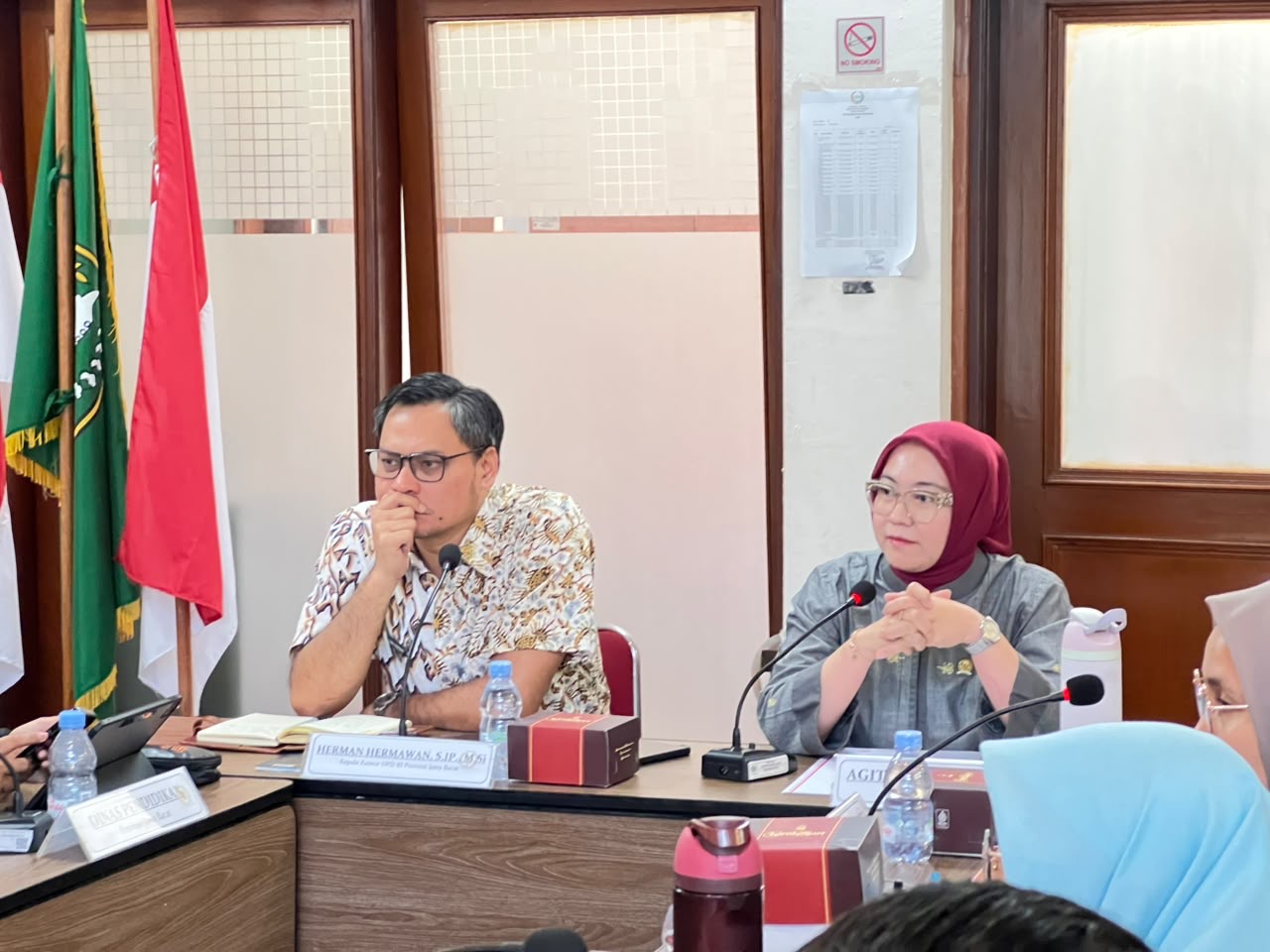
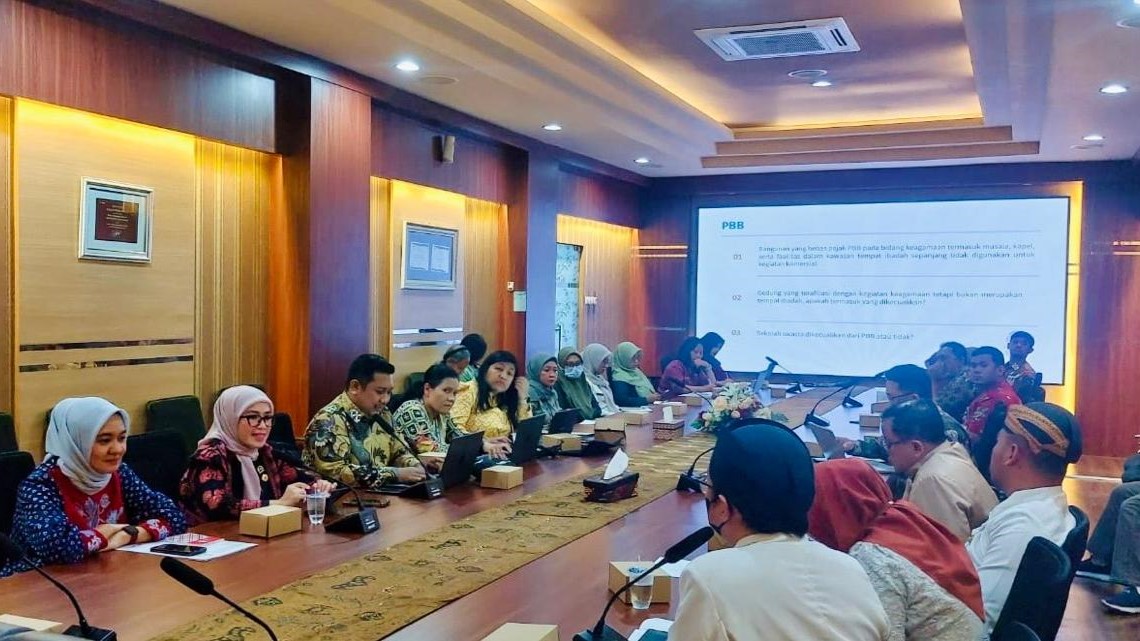
Bandung, dpd.go.id – Member of Committee III of the House of Regional Representative of the Republic of Indonesia (DPD RI) for the Electoral District of West Java (Jabar) Agita Nurfianti emphasized the importance of a comprehensive evaluation of the implementation of the Free Nutritional Meals Program (MBG) so that the noble goal of improving the quality of health and nutrition of Indonesian children is truly achieved. She conveyed this while leading the Inventory of Supervisory Materials for the Implementation of Law Number 17 of 2023 concerning Health related to the MBG Program, Thursday (23/7), in Bandung, in the context of the Recess of Session Period V of Session Year 2025–2026.
The meeting was attended by representatives from the West Java Provincial Health Office, the West Java Provincial Education Office, the Bandung City Health Office, the Bandung City Education Office, the Nutrition Fulfillment Service Unit (SPPG), nutrition experts, and various other stakeholders.
This meeting aims to conduct an inventory of material concerning various problems related to the implementation of the MBG program and to absorb aspirations, views, opinions and input from the community and regions regarding the implementation of the MBG program.
At the forum, Agita expressed her appreciation for the commitment of all parties who have supported the implementation of the MBG Program. She stated that this program is a strategic step by the government to ensure that no Indonesian children go to school hungry, enabling them to learn more optimally.
"The MBG program has a very good goal: to ensure children receive adequate nutrition so they can learn healthily and optimally. Therefore, we must jointly maintain this program so that its implementation is even better and its benefits are truly felt by the community," said Agita.
However, Agita assessed that the various input from meeting participants indicated that several challenges still needed to be addressed immediately. One of these was the suboptimal coordination between agencies, particularly in food safety supervision and the issuance of Hygiene Sanitation Certificates (SLHS) for SPPGs.
The meeting revealed that the Health Office has undertaken various efforts, including environmental health inspections, SPPG mentoring, food safety training, developing nutritious menu standards, and laboratory testing. However, limited human resources and the Health Office's suboptimal involvement in the entire implementation process have prevented the oversight function from being fully operational.
Furthermore, a number of SPPGs still face administrative challenges in obtaining SLHS certification. This certification is a crucial tool for ensuring food safety and preventing food poisoning.
Agita also highlighted the importance of data-driven evaluation of the impact of the MBG Program. According to reports from the West Java Provincial and Bandung City Education Offices, comprehensive data on the program's impact on student attendance, learning concentration, academic achievement, or nutritional status is currently lacking.
"A program of this magnitude must have a robust evaluation system. We need to know the extent of its impact on children's health, growth, and learning. Good policies must be supported by valid data so that any improvements are truly targeted," Agita emphasized.
Other input that emerged during the meeting was the need to adjust food portions based on age groups, increase menu variety, utilize local foods that are more suited to children's tastes, and strengthen operational standards for all SPPGs to ensure food quality is maintained evenly.
On the other hand, SPPG managers stated that the program's implementation has also had a positive impact on community economic empowerment through partnerships with farmers, MSMEs, and cooperatives near the operational areas. According to Agita, this potential needs to be continuously strengthened so that the MBG Program not only improves community nutritional quality but also stimulates local economic growth.
Nutrition experts present at the meeting also emphasized the importance of developing national food production standards, certifying the capacity of providers, and developing a digital information system to manage production capacity according to the number of beneficiaries each day.
Closing the activity, Agita emphasized that all input from local governments, health workers, academics, and SPPG managers will be part of the DPD RI's supervisory materials for the implementation of Law Number 17 of 2023 concerning Health.
"DPD RI wants to ensure that the MBG Program continues to improve over time. This program must not stop, but must continue to be improved through objective evaluation, strong oversight, cross-sector coordination, and the involvement of experts so that its benefits are truly felt by all Indonesian children, especially those most in need," Agita concluded.
AGENDA KEGIATAN
DEWAN PERWAKILAN DAERAH REPUBLIK INDONESIA