Informasi Seputar Kegiatan di DPD RI
AGENDA KEGIATAN
DEWAN PERWAKILAN DAERAH REPUBLIK INDONESIA
30 July 2026 oleh admin
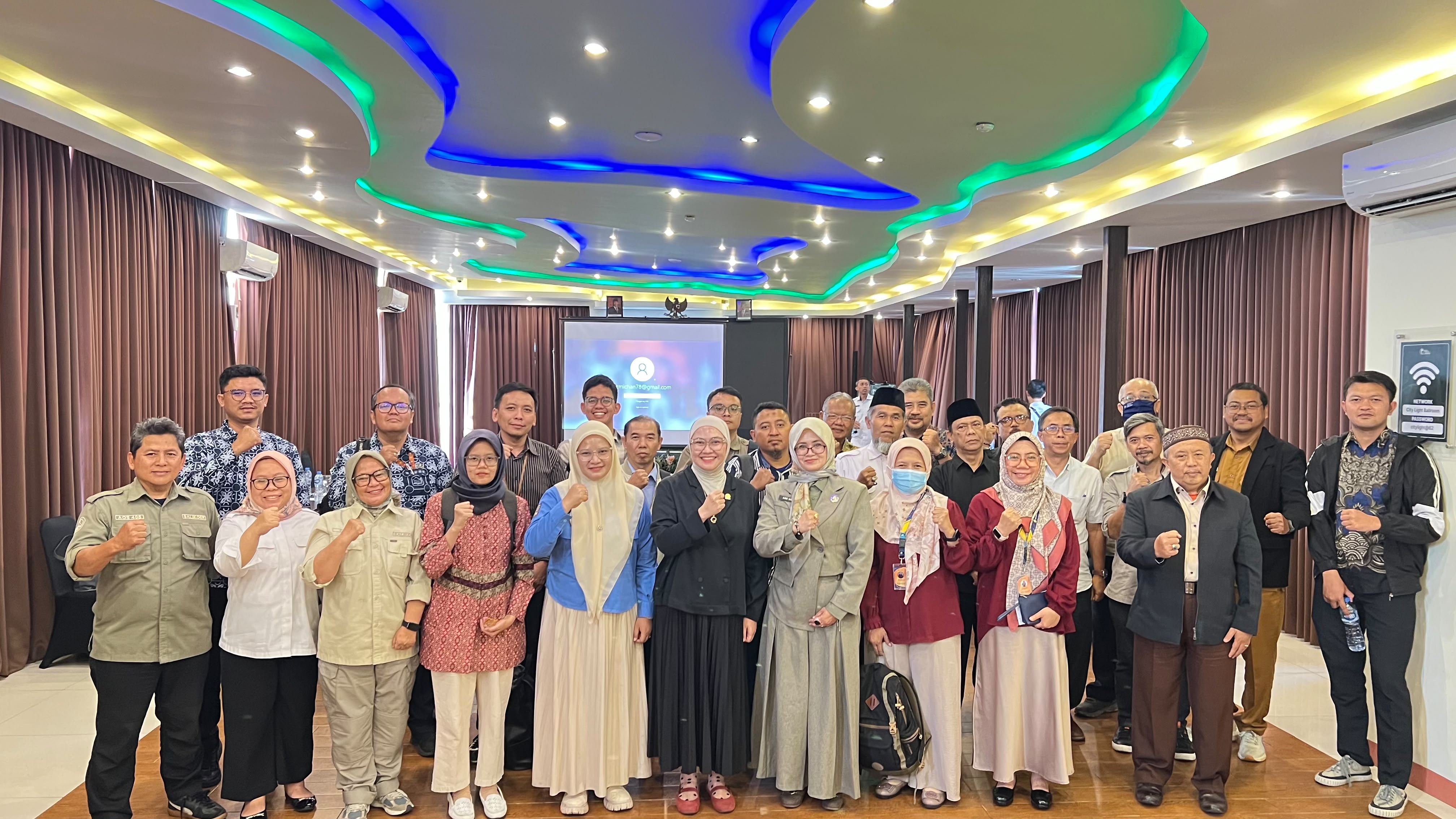
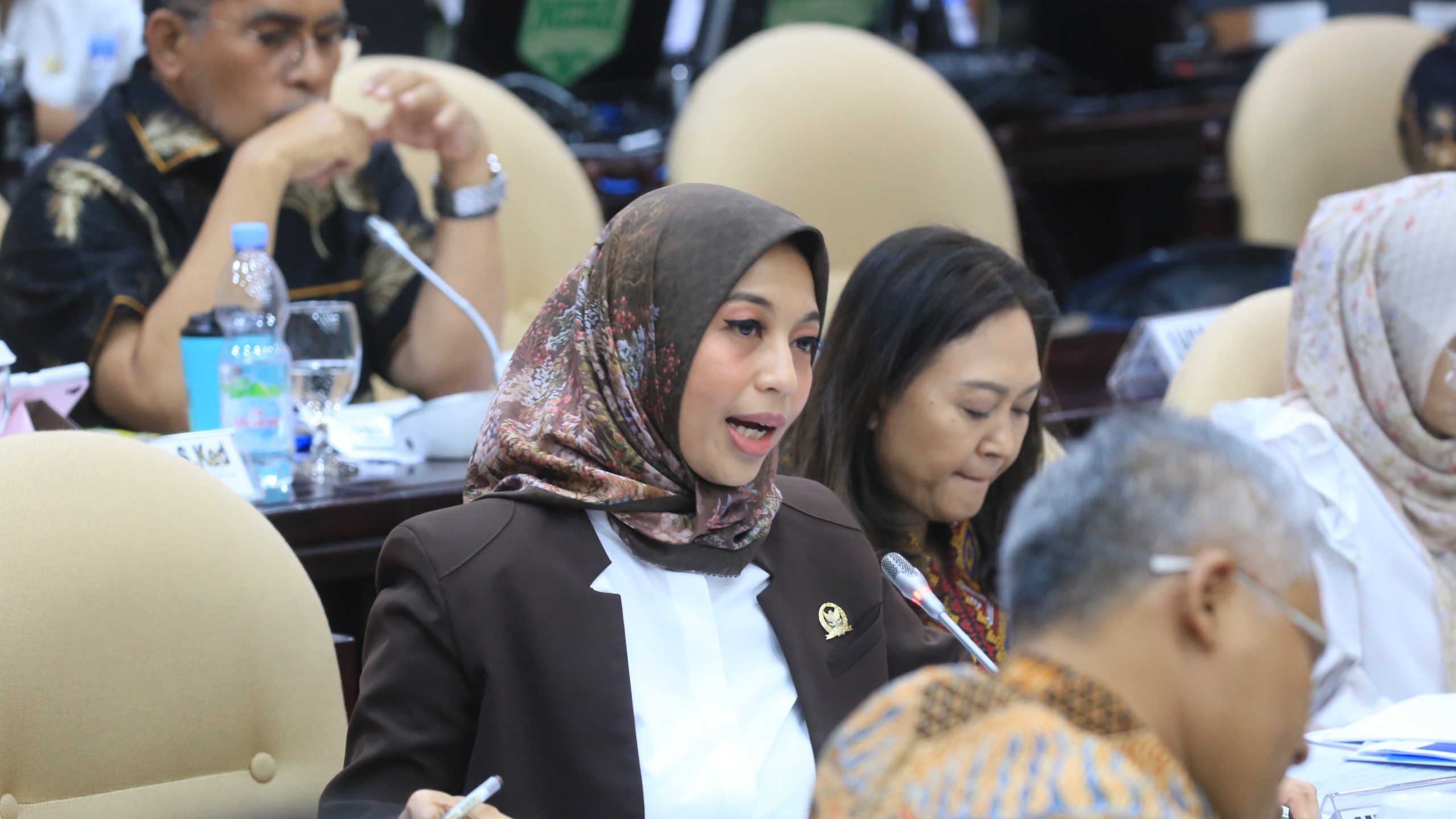
Bandung, dpd.go.id – Agita Nurfianti, a member of Committee III of the House of Regional Representative of the Republic of Indonesia (DPD RI) for the Electoral District of West Java, stated that education provision must be supported by adaptive, equitable, and targeted regulations. She made this statement at the Regional Legislation Committee (BULD) of DPD RI Monitoring Targets event with the theme "Monitoring and Evaluation of Draft Regional Regulations and Regional Regulations Related to Education Provision," Tuesday (28/7) in Bandung.
The event brought together various stakeholders, including the Bandung City Council (DPRD), the Regional Development Planning Agency (BPBD), the West Java Provincial Social Service, the Regional Office of the Ministry of Religious Affairs, the West Java Provincial Manpower Office, educational foundations, public and private schools, Islamic boarding schools (pesantren), the People's School (Sekolah Rakyat), Community Learning Centers (PKBM), private school communication forums, and others. The meeting served as a dialogue space to identify various issues surrounding the implementation of education regulations in West Java and to gather input for evaluation of education delivery in the region.
In the forum, a number of issues emerged, including the lack of synchronization of policies between the central and regional governments, obstacles to integrating data on recipients of educational assistance, budget limitations, low teacher welfare, unequal access to education, and challenges to the sustainability of private schools and religious-based educational institutions.
In addition, participants also highlighted the problems of the New Student Admission System (SPMB), limited classroom space which causes learning to still be conducted in two sessions in a number of schools, the uneven distribution of teachers, the mismatch between the competencies of Vocational High School (SMK) graduates and the needs of the workforce, and the need for stronger regulations to support the sustainability of People's Schools as an effort to break the chain of poverty.
Responding to these various aspirations, Agita Nurfianti emphasized that monitoring results show that there is still a gap between various policies that have been formulated at the central level and their implementation in the field.
"At the central level, many programs and policies have been implemented to improve the quality and access to education. However, today's dialogue shows that their implementation in the regions still faces various challenges, ranging from data issues, regulations, inter-agency coordination, and budget constraints. These issues must be a shared concern to ensure that the public truly feels the benefits of each policy," Agita said.
Agita also highlighted the various obstacles still encountered in the distribution of educational assistance, including the Smart Indonesia Program (PIP), which should be used optimally to help students from underprivileged families.
"We are still receiving reports of obstacles in PIP applications due to suboptimal cooperation from some schools, and some parties are even charging recipients inappropriate fees. A good program must be supported by sound governance to ensure its benefits truly reach eligible students," she said.
According to Agita, the issue of access to education extends beyond primary and secondary education, but also requires attention to the continuity of higher education. She believes that many families in the lower-middle economic class are still not fully covered by various assistance schemes.
"Currently, the Indonesia Smart Card for College is prioritized for families in deciles 1 to 4. However, in reality, the cost of higher education remains a burden for families in deciles 5 and 6. This needs to be addressed so that opportunities to continue their education are not hampered by economic factors," she explained.
On that occasion, Agita also paid attention to the fact that there are still children who drop out of school due to economic conditions or lack of support from their family environment.
"The government has provided various educational facilities and assistance programs. However, if there are still children dropping out of school due to economic circumstances or a lack of support from their families, we still have work to do together. Supporting families and strengthening the role of the community are crucial in ensuring every child has the right to education," he said.
Regarding vocational education, Agita believes that a more integrated mapping of workforce needs is necessary so that vocational school graduates have competencies that truly match industry needs.
"The persistently high unemployment rate among vocational school graduates demonstrates the need for synchronization between education and the needs of the workforce. Mapping of workforce needs must be strengthened so that vocational education can produce graduates who are work-ready and competitive," he said.
Agita also stated that she would follow up on various inputs regarding limited educational facilities, particularly the lack of classrooms which resulted in the teaching and learning process still taking place in two sessions in a number of schools.
"We will certainly communicate further with the relevant parties about the limited classroom space. We will also provide input on the development of public schools and the sustainability of private schools, which play a vital role in expanding access to education, particularly in West Java," he said.
Concluding the activity, Agita emphasized that all input from the participants would be an important part in implementing the monitoring function of the Regional Legislation Committee of the DPD RI regarding various drafts and implementation of regional regulations in the field of education.
"Education regulations must be able to address the real needs of society. Synchronizing central and regional policies, strengthening data governance, equalizing access to education, improving the welfare of educators, and supporting all educational institutions must be priorities so that every Indonesian child receives quality learning opportunities without exception," Agita concluded.
AGENDA KEGIATAN
DEWAN PERWAKILAN DAERAH REPUBLIK INDONESIA