Informasi Seputar Kegiatan di DPD RI
AGENDA KEGIATAN
DEWAN PERWAKILAN DAERAH REPUBLIK INDONESIA
16 July 2026 oleh admin
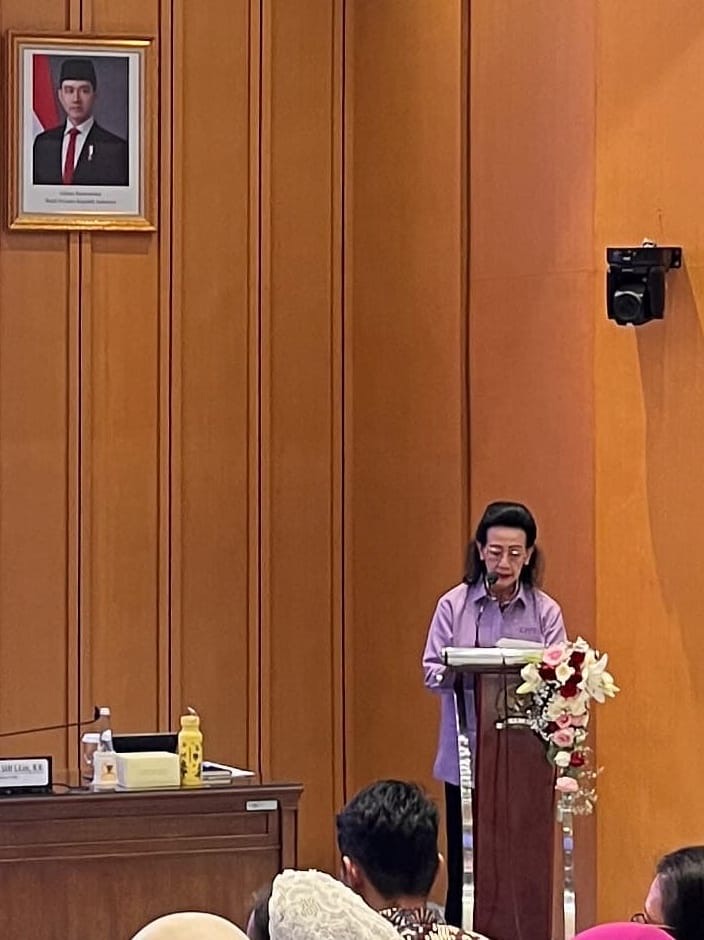
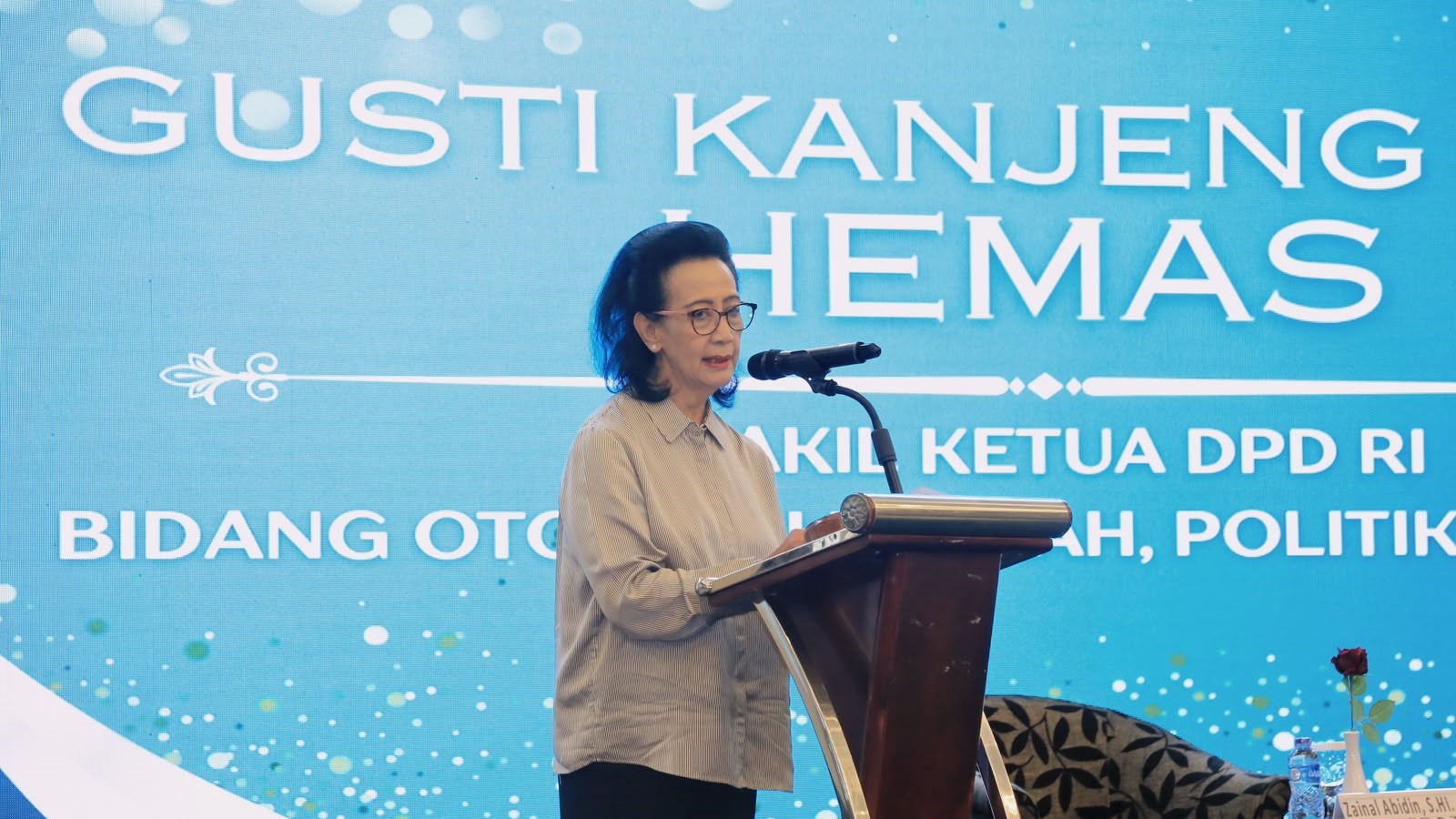
JAKARTA, INDONESIA — The Advisor to the Women’s Parliamentary Caucus of the Republic of Indonesia (KPPRI), Gusti Kanjeng Ratu (GKR) Hemas, officially opened a Focus Group Discussion (FGD) titled "Strategic Recommendations for Women's Representation in the Draft Revision of the Election Law." The event, organized by KPPRI, was held in the Abdul Muis Room at the Parliament Complex, Senayan, Jakarta.
The forum brought together several key figures, including the Deputy Chairman of Commission II of the Indonesian House of Representatives (DPR RI) Aria Bima, Executive Director of Indikator Politik Indonesia Prof. Burhanuddin Muhtadi, and Executive Director of Perludem Heroik Mutaqin Pratama. They were joined by cross-faction parliamentarians, academics, democracy activists, civil society organizations, and election observers to formulate strategic recommendations for the upcoming revision of the Election Law.
In her keynote address, GKR Hemas emphasized that the revision of the Election Law must not be viewed merely as a technical update to election administration. Instead, it must be treated as an opportunity to substantively improve the quality of Indonesian democracy.
"A healthy democracy is not measured solely by how regularly we hold elections," GKR Hemas stated. "Democracy is also measured by who is given an equal opportunity to participate and shape the direction of national policy."
According to GKR Hemas, women's representation is a constitutional mandate necessary for establishing a fair, inclusive, and representative democracy. Therefore, the success of the Election Law revision should not be judged merely by administrative efficiency, but by how effectively the regulations dismantle the structural barriers that continue to limit women's political participation.
While she appreciated the achievements of the 2024 General Election which saw an increase in the number of women elected to both the DPR RI and the DPD RI she pointed out that the figures still fell short of the minimum 30% representation target. Consequently, stronger affirmative action policies must be integrated into the revised Election Law.
GKR Hemas outlined three strategic agendas that require close attention in the legislative review.
First, Full Accommodation of Constitutional Court Rulings: The revised Election Law must fully accommodate the Constitutional Court's ruling, which mandates a minimum 30% quota for female candidates in every electoral district. Affirmative action must become a binding legal norm, complete with clear monitoring mechanisms and legal consequences for political parties that fail to comply.
Second, Internal Political Party Reforms: Electoral system reforms must go hand-in-hand with internal party reforms. GKR Hemas argued that female representation should not be a last-minute effort during candidate registration. Parties need to establish systematic, tiered, and sustainable leadership development pipelines for women so they have an equal chance to emerge as political leaders.
Third, Strengthening Women's Representation in Electoral Bodies: The rules governing the composition of the General Elections Commission (KPU) and the Association of Election Supervisory Bodies (Bawaslu) must be strengthened. The current phrasing of "paying attention to women's representation" should be replaced with stricter, legally binding language to ensure gender balance within these key institutions.
Furthermore, GKR Hemas urged lawmakers not to get bogged down solely in technical debates such as vote-conversion methods, electoral district sizes, the parliamentary threshold, or election scheduling. The far more critical task is ensuring that the electoral system produces a parliament that truly reflects the diverse makeup of Indonesian society.
During the discussion session, the Deputy Chairman of Commission II of the DPR RI, Aria Bima, admitted that the issue of strengthening women's representation has not yet received sufficient space in the drafting of the Election Law revision. He noted that while the draft bill covers various strategic areas, concrete measures to bolster affirmative policies for women still require much more serious attention.
"Interestingly, strengthening candidate placement regulations has not yet gained a prominent place among the priority issues in the current revision. I have not seen various women's caucuses meet with Commission II to discuss concrete steps regarding this matter," Aria Bima remarked.
Aria Bima praised the KPPRI-hosted forum as a vital platform to gather input from parliamentarians, academics, and civil society to be integrated into the legislative process. He expressed hope that the recommendations from this FGD would enrich the substance of the bill, specifically in advancing affirmative action and leveling the political playing field.
Echoing this sentiment, Member of Commission I of the DPR RI, Nurul Arifin, emphasized that pushing for female affirmative action in the electoral system remains a crucial agenda that must be continuously championed both in terms of candidacy and the actual likelihood of women getting elected to legislative seats.
In closing, GKR Hemas expressed her hope that the forum would yield recommendations that are not only academically rigorous but also highly actionable to meet the future demands of Indonesian democracy.
"Let us make this Election Law revision a momentum to improve the quality of our democracy, strengthen our party systems, reinforce affirmative policies, and ensure that Indonesian women have an equal political space to contribute to nation-building. A mature democracy is one that can deliver justice to all citizens without exception," she concluded.
AGENDA KEGIATAN
DEWAN PERWAKILAN DAERAH REPUBLIK INDONESIA