Informasi Seputar Kegiatan di DPD RI
AGENDA KEGIATAN
DEWAN PERWAKILAN DAERAH REPUBLIK INDONESIA
30 July 2026 oleh admin
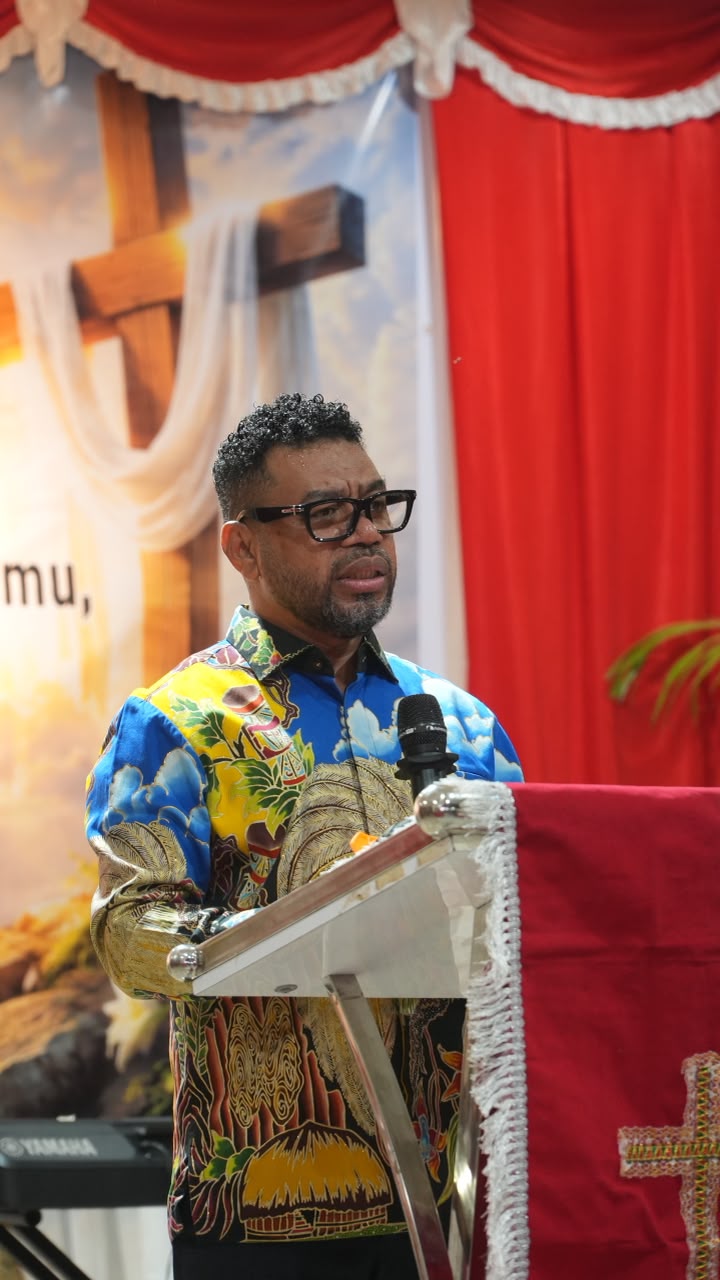
dpd.go.id — Chairperson of DPD RI Committee III, Dr. Filep Wamafma, S.H., M.Hum., C.L.A., emphasized that the long-standing perception of Papua as an underdeveloped, backward, and impoverished region should not be regarded as an absolute reality.
According to him, such labels fail to reflect the true condition of Papua. The region possesses abundant natural resources as well as a growing pool of human capital capable of competing at both the national and international levels. Filep made these remarks while sharing his views on the importance of advancing Papua through quality education.
"More than six decades after Papua became part of the Republic of Indonesia and after two periods of Special Autonomy, the stigma surrounding the capabilities of Papuan people continues to persist. In reality, Papua is endowed with extraordinary forests, marine resources, mineral wealth, and food production potential. It is therefore time to shift the development paradigm toward an approach that recognizes and values the potential and capabilities of the Papuan people," Filep said in a statement received on Thursday (July 30, 2026).
On the same occasion, the senior academic from West Papua described the Papua Cerdas (Smart Papua) program as an important affirmative government initiative to accelerate human capital development. However, he stressed that the program must also be supported by effective education governance, the integration of technology, improvements in teacher quality, and well-targeted budget allocations.
"Furthermore, human development in Papua must remain dynamic and focus on improving key indicators such as quality of life, education, and a decent standard of living. This development paradigm must continue to evolve progressively rather than remain stagnant," Filep added.
He also rejected the assumption that Papua's human resources are inherently weak. "The notion that Papuan human resources are inadequate is simply not absolute. Many Papuans have successfully earned bachelor's, master's, and doctoral degrees, become professors, academics, bureaucrats, professionals, and leaders across various sectors, both nationally and internationally. Papua's human capital is fully capable of competing in any field and contributing to regional development," he said.
In the area of basic education, Filep underscored the importance of strengthening teachers' competencies, providing adequate educational facilities and infrastructure, ensuring safe learning environments, and adopting teaching methods that are responsive to changing times. He believes Papua should become a model of effective education governance in Indonesia.
Filep further emphasized that the success of education cannot rest solely on teachers and school principals. Instead, it requires collaboration among all stakeholders, including the government, regional legislatures, educational institutions, religious leaders, traditional leaders, women's groups, youth leaders, the private sector, and families as children's first learning environment.
"Papua does not lack intelligent people. What is needed are opportunities, trust, good governance, and collaboration among all stakeholders. Education is the most effective path to advancing the dignity, pride, and future of Papua. It is time to put an end to harmful stereotypes and work together to build a progressive, educated, and dignified Papua," Filep Wamafma stressed.
Through the collective commitment of all stakeholders, the Chair of the Hasanuddin University Alumni Association of West Papua expressed confidence that Papua can emerge as a leading region and serve as a national example of an education system founded on equity and respect for local wisdom.
AGENDA KEGIATAN
DEWAN PERWAKILAN DAERAH REPUBLIK INDONESIA