Informasi Seputar Kegiatan di DPD RI
AGENDA KEGIATAN
DEWAN PERWAKILAN DAERAH REPUBLIK INDONESIA
23 July 2026 oleh admin
Jakarta, dpd.go.id – The House of the Regional Representatives of the Republic of Indonesia (DPD RI) emphasized that equitable development for island regions will not be achieved without fiscal policy reforms that take into account the characteristics of archipelagic regions. To date, regional funding formulations have been dominated by land area and population indicators, while sea area, number of islands, and the high cost of inter-island public services have not been adequately incorporated into national fiscal calculations
Ismeth Abdullah, a member of the DPD RI's Archipelagic Regions Bill Working Team from the Riau Islands Province, stated that this situation was one of the main reasons the DPD RI championed the Archipelagic Regions Bill. He argued that the state needs to develop a more equitable fiscal policy so that archipelagic regions have equal capacity to provide basic services and accelerate development.
"Until now, island regions have faced a much greater burden of services than mainland regions. However, in the national fiscal formulation, the sea has not been positioned as a service area that must be taken into account. The Archipelagic Regions Bill aims to address this imbalance so that development truly reflects justice for all regions of Indonesia," said Ismeth.
He explained that the costs of infrastructure development, transportation, education and health services, and logistics distribution in island regions differ from those in mainland regions. Therefore, DPD RI is pushing for the inclusion of maritime area, number of islands, geographic difficulty, and inter-island service costs as variables in regional funding formulations.
"When the state calculates regional fiscal needs, it shouldn't just consider land area. The sea is also a government service area. The larger the sea area to be served and the more islands to be connected, the greater the state's responsibility in providing public services," he said.
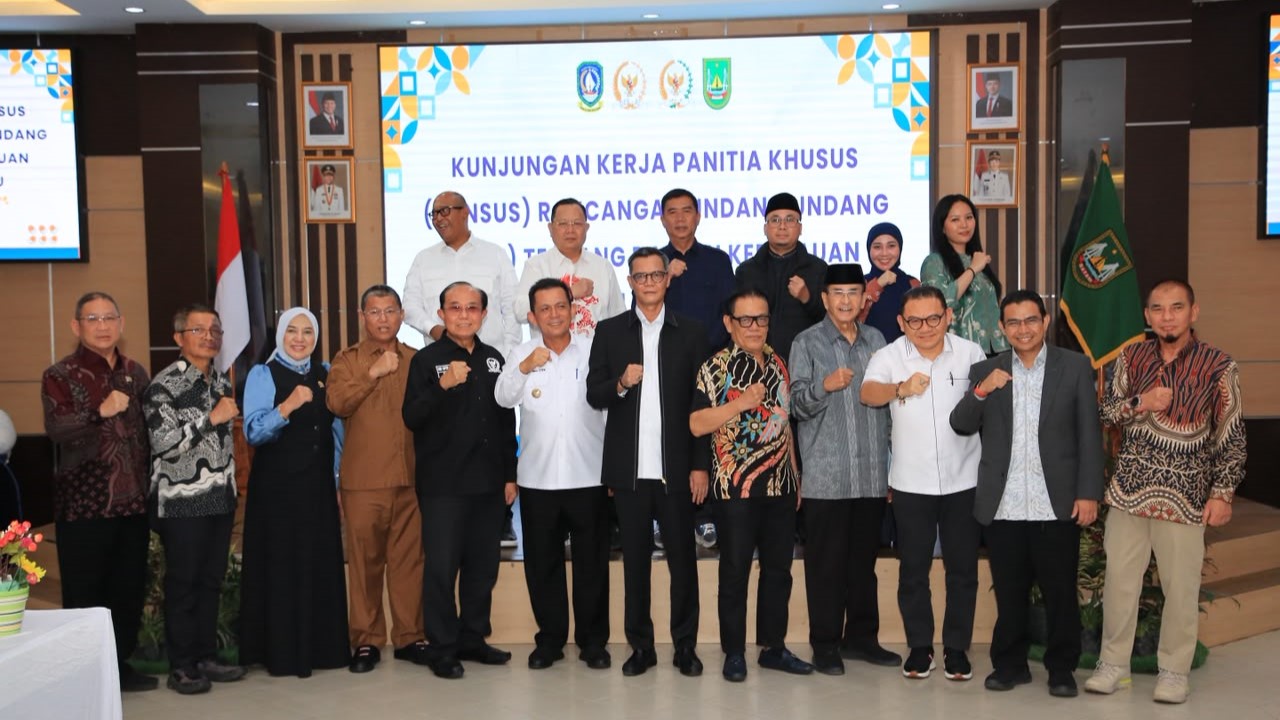
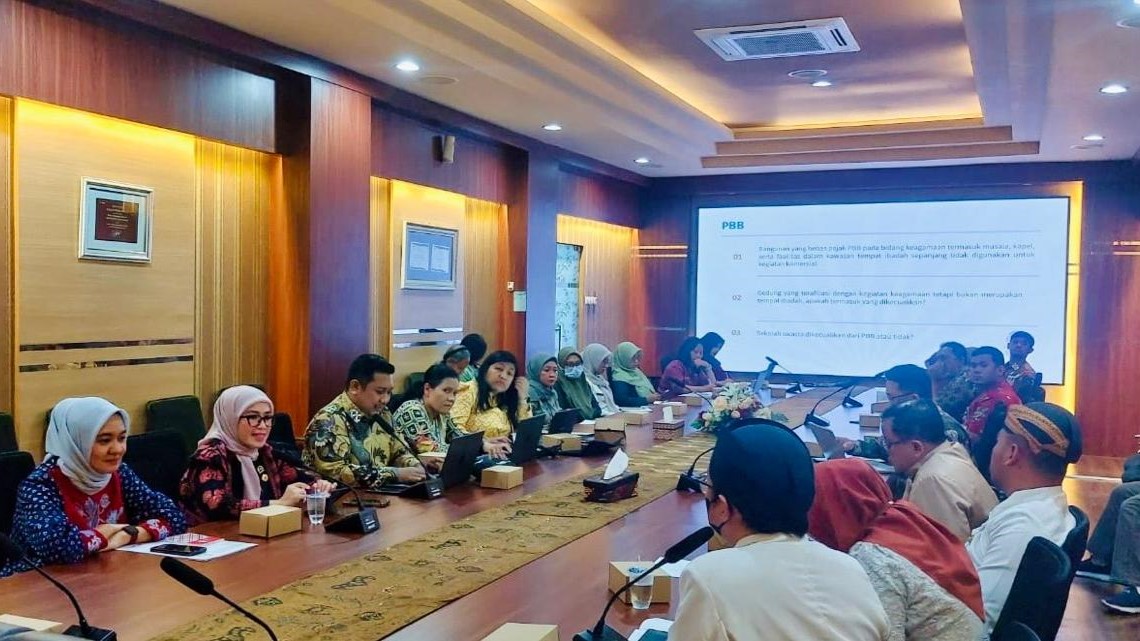
This view aligns with the aspirations expressed by Riau Islands Governor Ansar Ahmad during a recent working visit by the House of Representatives' Special Committee on the Draft Bill on Archipelagic Regions, along with the DPD RI's Draft Bill Working Team, the Director of Regional Legal Products at the Ministry of Home Affairs, the Riau Islands Provincial Government, the Batam City Government, and relevant Regional Apparatus Organizations (OPDs). According to Ansar, the current fiscal policy does not fully reflect the character of archipelagic regions, necessitating changes through the Draft Bill on Archipelagic Regions.
"We also hope for fiscal justice for island regions. We need to incorporate sea area and the number of islands into fiscal policy formulation. We hope that maritime areas will be taken into fiscal consideration, not just land," he said.
Similarly, Batam Mayor Amsakar Achmad assessed that the government's spending formula, which still relies on land area, is one of the causes of development disparities in the island region.
"The existing issue regarding fiscal fairness is that spending formulas only calculate land-based expenditures, and none yet account for the potential of islands. This disparity is expected to be addressed in the Island Region Bill," he said.
The House of the Regional Representative of the Republic of Indonesia (DPD RI) emphasized that the Archipelagic Regions Bill is not merely a matter of budget allocation, but also of structural justice and legal affirmation for archipelagic regions. By taking into account the extent of maritime territory and geographic characteristics in national fiscal policy, development will no longer be land-based. This is a crucial step in reducing disparities between regions, strengthening sovereignty in border areas, and ensuring equitable public services across the Republic of Indonesia.
AGENDA KEGIATAN
DEWAN PERWAKILAN DAERAH REPUBLIK INDONESIA