Informasi Seputar Kegiatan di DPD RI
AGENDA KEGIATAN
DEWAN PERWAKILAN DAERAH REPUBLIK INDONESIA
09 July 2026 oleh admin
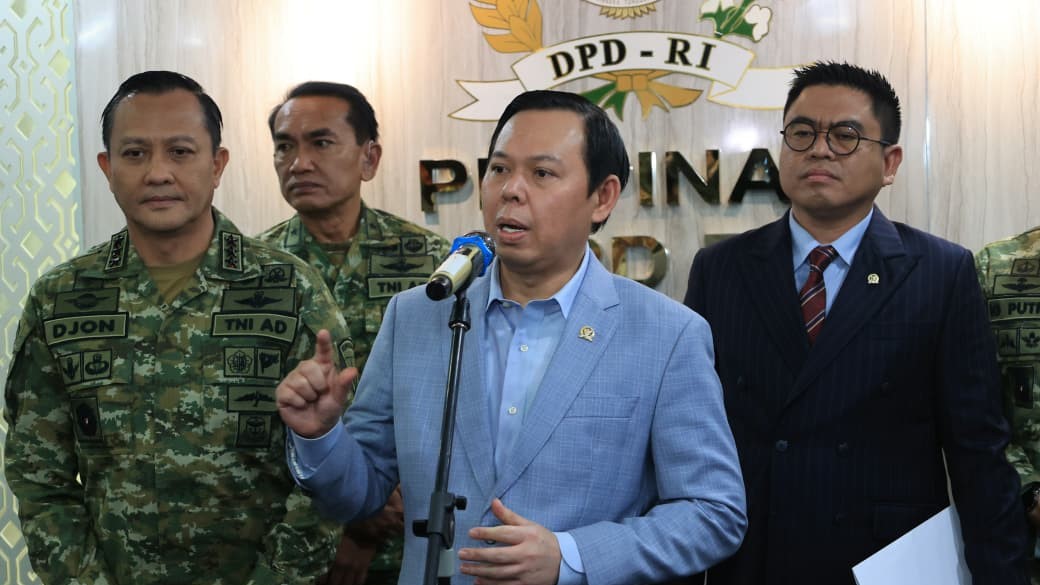
Jakarta, dpd.go.id – The Chairperson of the DPD RI Working Team for the Bill (RUU) on Island Regions, Andi Sofyan Hasdam, assessed that the development inequality still experienced by island regions is not solely caused by geographical factors, but also due to the national development paradigm, which has so far been land-oriented and tends to be centralistic. As a result, many island regions do not yet have adequate space to manage their own regional potential, even though Indonesia has long been recognized as an archipelagic nation.
Andi reminded that the recognition of Indonesia as an archipelagic state through the Djuanda Declaration has been an important milestone in strengthening national sovereignty in the eyes of the world. However, according to him, this recognition has not been fully reflected in national development policies that accommodate the characteristics of island regions.
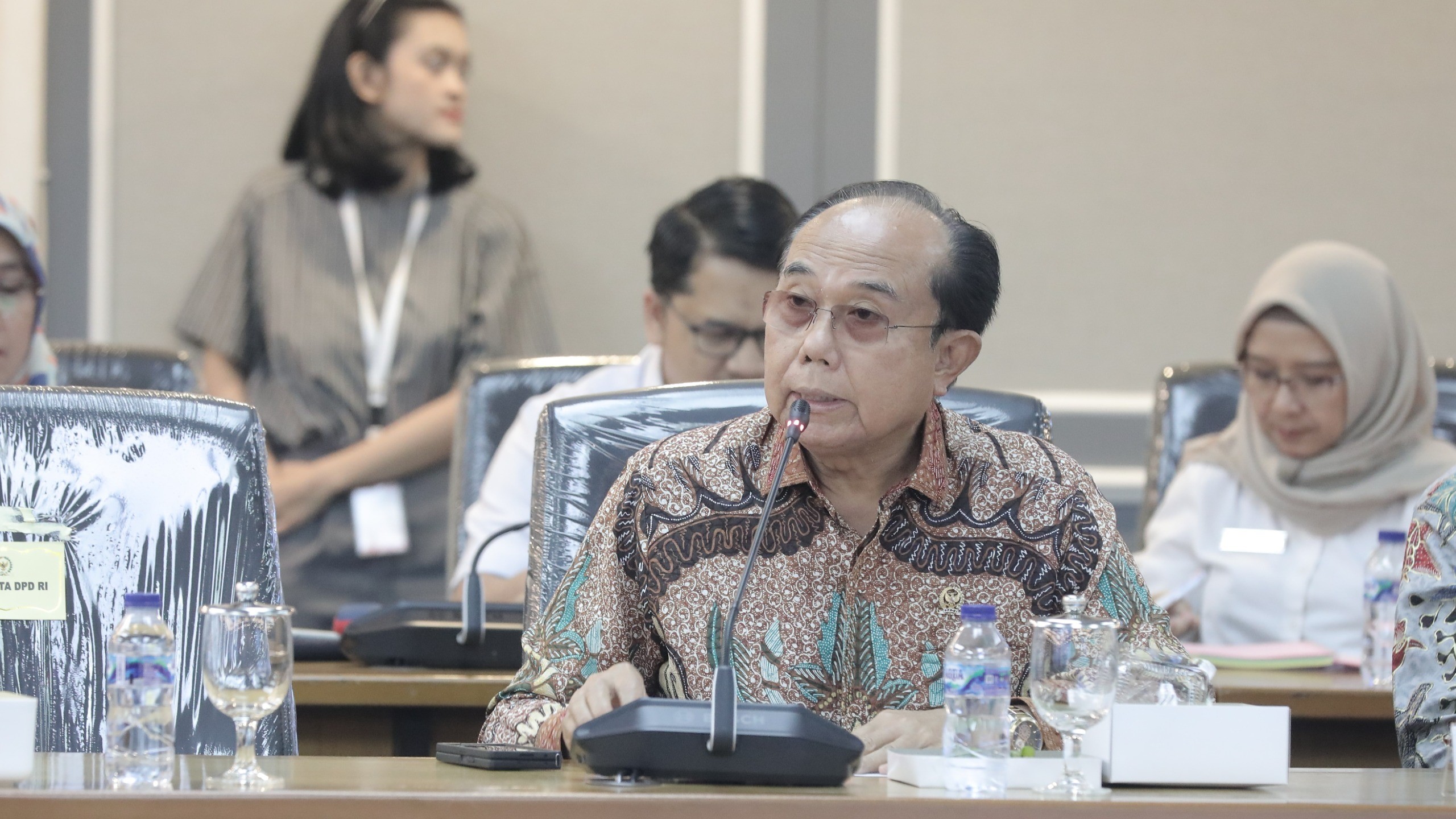
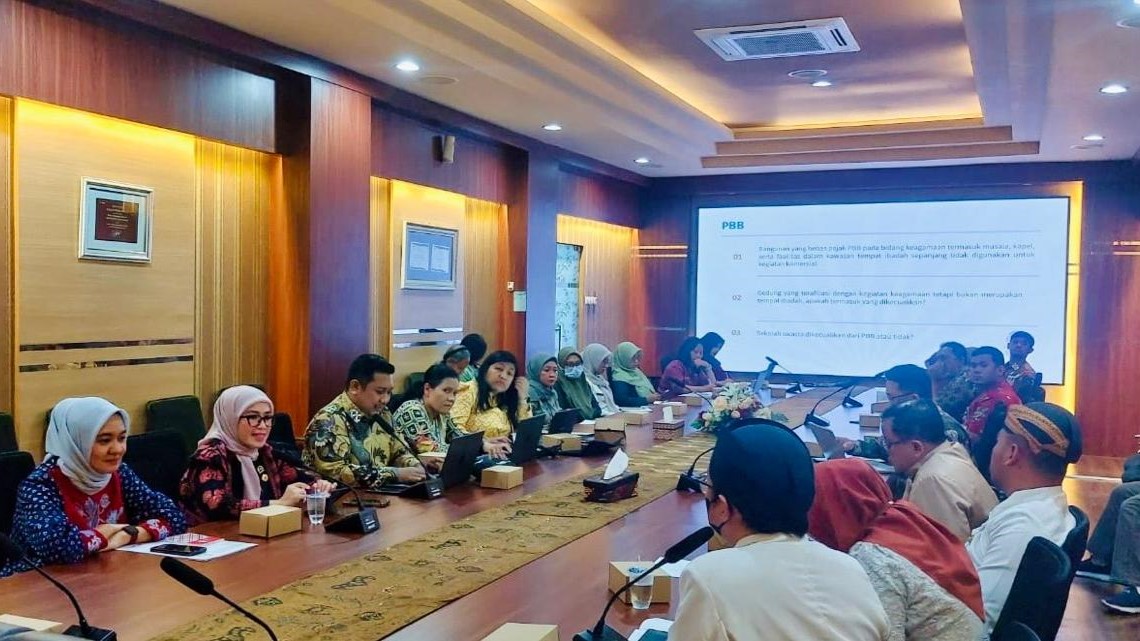
"We have recognized since the Djuanda Declaration that Indonesia is an archipelagic state, but it turns out that all this time we have been land-oriented," he said during a Hearing Meeting of the DPR RI Special Committee for the Island Regions Bill with the DPD RI Island Regions Bill Working Team and the Ministry of Home Affairs at the Commission XIII DPR RI Meeting Room, Parliament Complex, Jakarta, Wednesday (8/7/2026).
According to the Senator from East Kalimantan, various policies ranging from local government to natural resource management have still not fully provided space for island regions to develop according to their regional characteristics. This condition impacts the regions' limited ability to accelerate development, improve public services, and optimize local economic potential.
"Law Number 23 of 2014 concerning Local Government states 'regions with island characteristics,' which is different from the international recognition of Indonesia. Law No. 23 of 2014 is considered to have become too centralistic and does not side with the regions," he said.
Andi also highlighted changes to a number of regional authority regulations that are deemed to further narrow the space for local governments to manage their strategic potential, including in the natural resources sector. According to him, this condition is one of the reasons why island regions have not been able to develop optimally despite possessing vast resource wealth.
"Many articles in Law Number 23 of 2014 suddenly disappeared and the Job Creation Law emerged, including regarding the Mining Law; this eliminates regional authority in managing mines," he said.
Therefore, Andi emphasized that the Island Regions Bill is not intended to grant special privileges to certain regions, but rather to bring a correction to the direction of national development so that it better reflects Indonesia's identity as an archipelagic nation. Through the strengthening of authority, fiscal affirmation, and policies tailored to the characteristics of island regions, the bill is expected to deliver fairer development while strengthening regional contributions to national growth.
AGENDA KEGIATAN
DEWAN PERWAKILAN DAERAH REPUBLIK INDONESIA