Informasi Seputar Kegiatan di DPD RI
AGENDA KEGIATAN
DEWAN PERWAKILAN DAERAH REPUBLIK INDONESIA
16 July 2026 oleh admin
Jakarta, dpd.go.id - Limited transportation and connectivity remain a major challenge for communities in island regions. This situation not only limits mobility but also impacts logistics distribution and the high prices of basic necessities. Therefore, discussions on the Draft Bill on Island Regions (RUU Daerah Kepulauan) continue to highlight the transportation sector as a focus for improving the welfare of island communities.
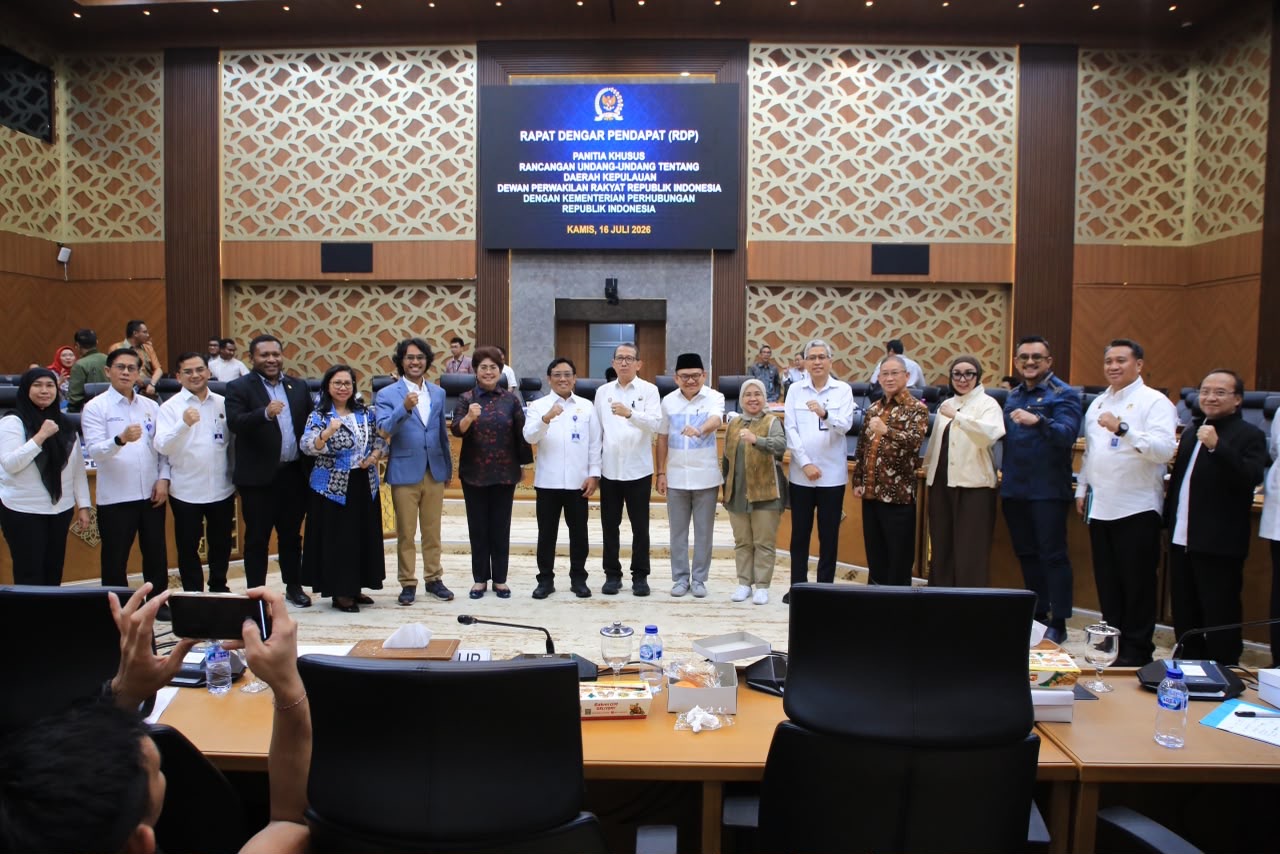
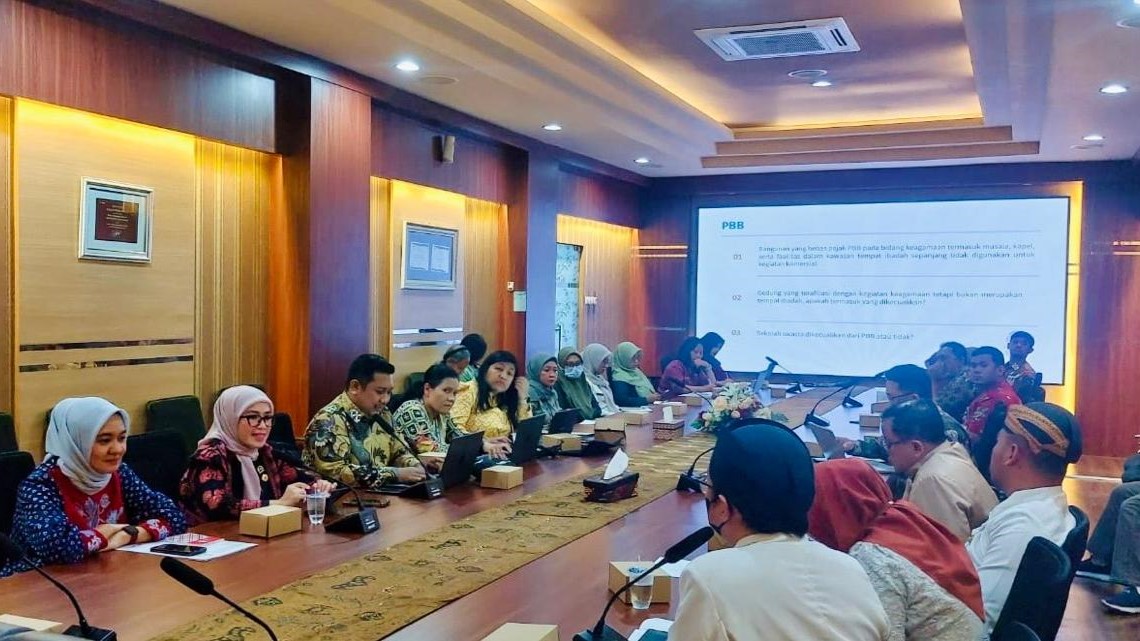
One of the issues that emerged in the Hearing Meeting (RDP) of the Special Committee (Pansus) of the Indonesian House of Representatives (DPR RI) regarding the Draft Bill on Archipelagic Regions with the Working Team (Timja) of the House of Regional Representative of the Republic of Indonesia (DPD RI) and the Ministry of Transportation was the effectiveness of the sea toll program in reducing the disparity in prices of goods in archipelagic regions.
Novita Anakotta, a member of the DPD RI from Maluku, highlighted the persistently high price disparities in basic necessities across the archipelago. She questioned the effectiveness of the maritime toll program in reducing logistics costs, given that residents in some areas still have to purchase goods at relatively higher prices than in other areas.
"We also question the effectiveness of the sea toll road in reducing price disparities. This program is expected to provide more affordable goods for island communities, but in reality, price differences remain quite high in several regions. This needs to be a shared concern," said Novita in the DPR RI Budget Committee Meeting Room in Senayan, Jakarta, Thursday (16/7/2026).
In line with this, the House of Representatives of Indonesia (DPR RI) Special Committee member, Mercy Chriesty Barends, assessed that the problem lies not only in sea transportation, but also in the distribution chain of goods after they arrive at their destination.
"We see that there are still issues in the supply chain that aren't operating symmetrically. We must not allow transportation costs to be reduced through the sea toll program, but the benefits are not fully felt by the public because prices of goods remain high when they reach consumers," said Mercy.
Director General of Sea Transportation Muhammad Masyhud acknowledged that challenges remain in the distribution chain after sea toll vessels arrive at their destinations. Therefore, the Ministry of Transportation continues to monitor the situation to identify any problems that prevent the program's benefits from being fully realized by the public.
"Our maritime toll program has reduced shipping costs at ports. However, based on our supervision, there are still issues in the distribution chain after goods arrive at their destination. Therefore, we continue to evaluate and monitor the program to ensure that the benefits of the maritime toll program reach the public, in line with its stated objectives," Masyhud said.
The discussion of the Archipelagic Region Bill is expected to produce policies that not only strengthen inter-island connectivity but also ensure more efficient logistics distribution, ensuring that the benefits of development truly reach the community through more affordable prices for basic necessities.
AGENDA KEGIATAN
DEWAN PERWAKILAN DAERAH REPUBLIK INDONESIA