Informasi Seputar Kegiatan di DPD RI
AGENDA KEGIATAN
DEWAN PERWAKILAN DAERAH REPUBLIK INDONESIA
08 May 2026 oleh admin
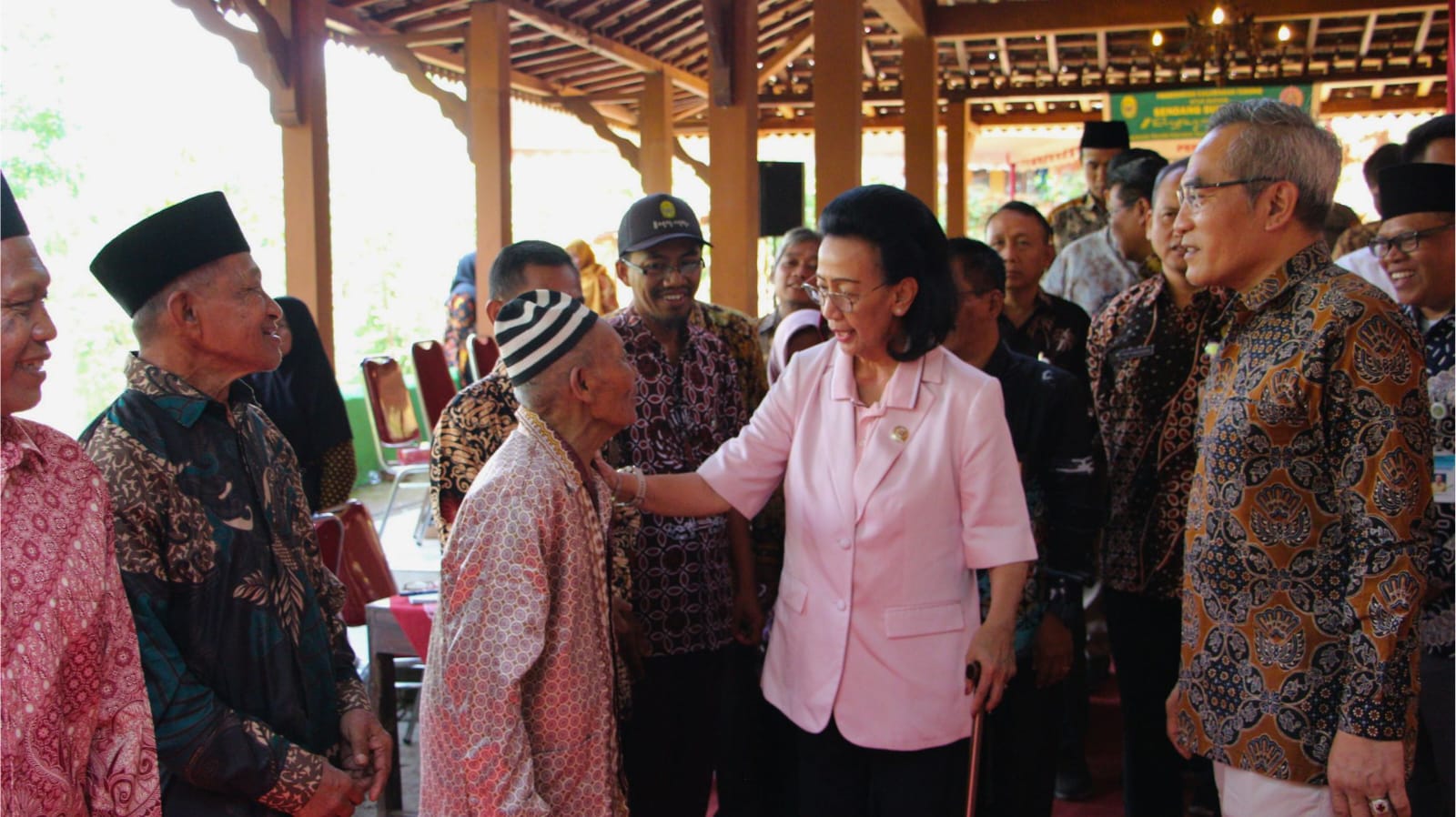
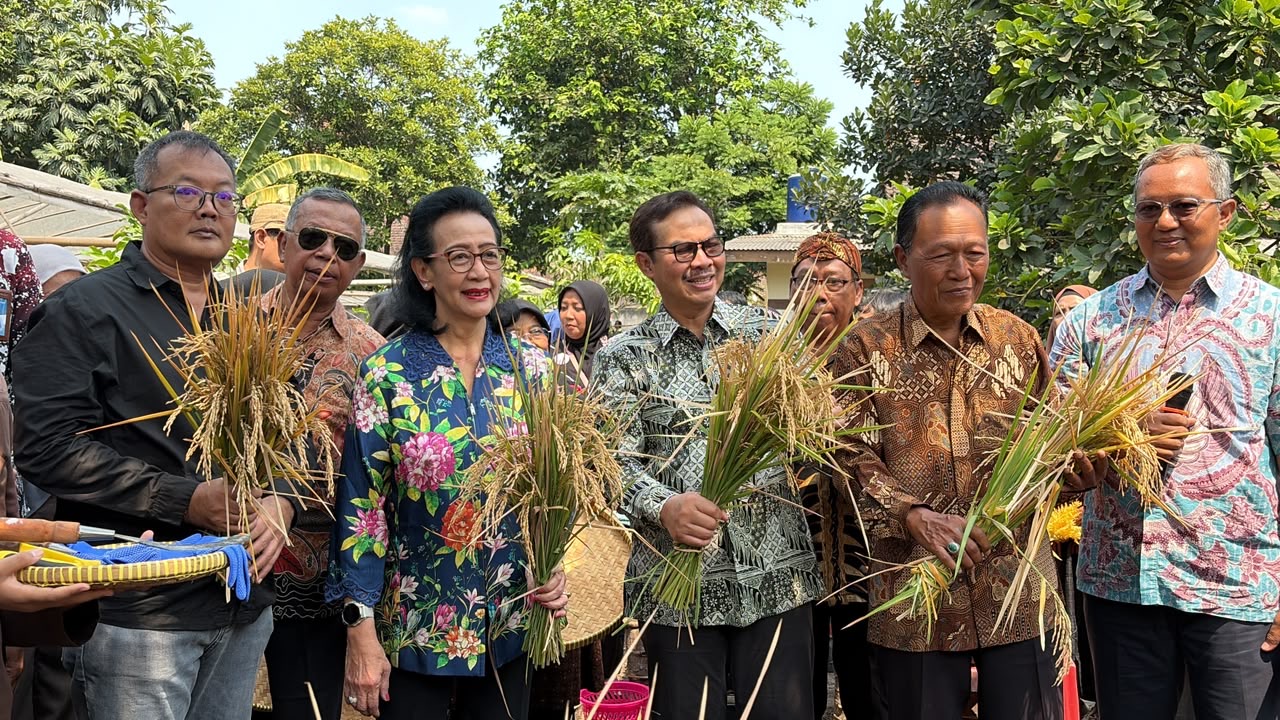
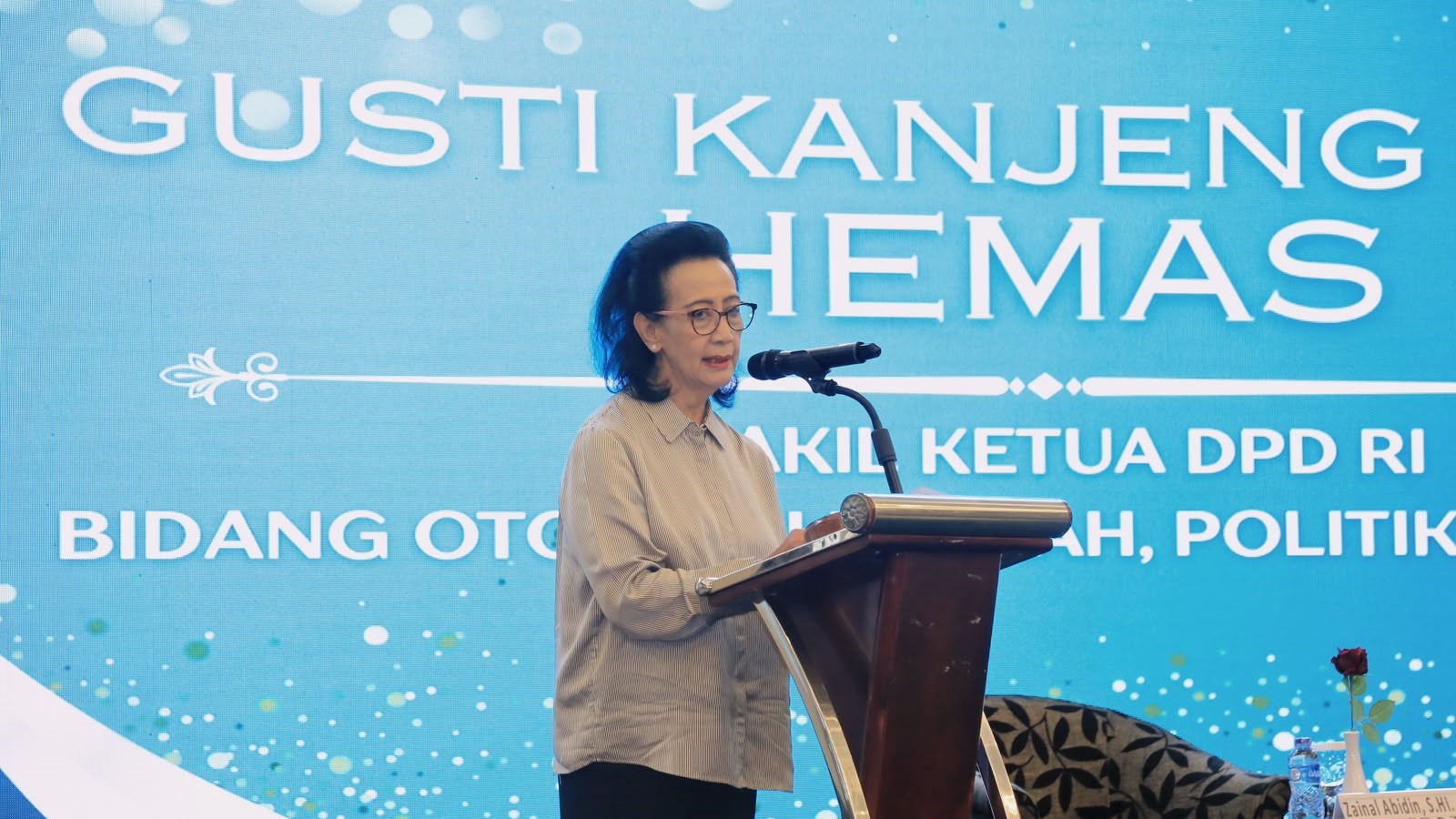
dpd.go.id Bantul — Vice Speaker of the DPD RI, Gusti Kanjeng Ratu Hemas carried out Sapa Aruh activities and absorbed community aspirations during a working visit to Terong Village, Dlingo, Bantul, Thursday (7/5/2026).
The activity was attended by the Regent of Bantul Abdul Halim Muslih, ranks of the DIY and Bantul Regency OPDs, the Dlingo Forkopimcam, the Terong Village Government, farmer groups, MSME actors, Karang Taruna, arts and culture groups, and the local community.
In her remarks, GKR Hemas emphasized the importance of strengthening the rural economy through agriculture and food security. She stated that rural communities must continue to be encouraged to become food and economic self-sufficient. This food self-sufficiency can also prevent stunting, which continues to plague the local community. GKR Hemas also highlighted the potential of cassava and local MSME products in the Dlingo region, which are considered to have high economic value if properly managed.
"Community economic empowerment really needs to be addressed and improved. Food security is crucial. If mothers can grow what they eat, communities will no longer be dependent on the government. I asked earlier what the potential is, and it turns out it's cassava chips. There must be economic value to sell them," said GKR Hemas.
Meanwhile, Bantul Regent Abdul Halim Muslih emphasized the Bantul Regency Government's commitment to supporting village development through various community empowerment programs. He also stated that the Bantul Regency Government continues to improve the quality of village infrastructure, including upgrading approximately 600 kilometers of village roads to district roads to optimize their management.
"In Bantul, for the past four years, we have provided a budget called P2BMP, the Hamlet-Based Community Empowerment Program, where each hamlet is allocated Rp. 50 million," explained Abdul Halim Muslih.
On the occasion, Terong Village Head Sugiyono outlined several potential development needs within the Terong Village. He explained that his area has strengths in the agricultural sector, MSMEs, and integrated farming, developed by the community to support food security and reduce stunting rates. He also revealed that the integrated farming area in Terong Village still requires supporting facilities to develop into a center for education, tourism, and community empowerment.
"Terong Village's geographical potential includes food crops like rice and cassava. Furthermore, it offers MSMEs, including furniture, bamboo weaving, and integrated farming, managed by the community for agriculture, fisheries, livestock, hydroponics, and the KWT (Farm-Based Farmers Group). We request further development, as it remains imperfect. Our goal is to reduce stunting rates and improve the residents' economy," said Sugiyono.
In a dialogue with the community, a number of aspirations were conveyed, ranging from the development of cultural studios, the construction of supporting facilities in the Sendang Surosetiko area, the development of integrated sports and tourism areas, to improvements to district road infrastructure.
In response to these concerns, GKR Hemas expressed her support for cultural preservation and the development of tourism areas based on local potential. She also expressed support for the needs of arts groups and communities, including the provision of hadroh instruments.
"This spring needs to be preserved. Bantul still lacks nature-based recreation areas. If this has economic value and helps the community, I'll try to make it happen," said GKR Hemas, closing the event in Terong Village.
In addition to the community dialogue activities, the recess in Bantul Regency continued with a visit to the Patalan Farmers' Campus in Jetis, Bantul. The event began with a coconut-picking ceremony, followed by the signing of a plaque to mark the inauguration of the Desanomi Farmers' Campus Foundation, and a casual chat while enjoying coconuts in the garden with the Farmers' Campus management and the community. The discussion highlighted village-based agricultural development and strengthening the community's economy through agrotourism and the cultivation of superior crops.
In their presentation, the Farmers Campus management explained that the area was developed as a center for empowerment, agricultural innovation, and farmer regeneration, embracing the concept of village-based food sovereignty. The area cultivates various commodities, including kopyor coconut, avocado, durian, and local horticultural crops, aimed at boosting the village economy through agrotourism.
In closing, GKR Hemas expressed her appreciation for the development of Kampus Tani, which she believes has enabled village-based agricultural innovations with high economic value while simultaneously supporting Yogyakarta's tourism sector. She emphasized that the development of kopyor coconut, avocado, durian, and local horticulture requires sustainable management, research, and strong seeding to truly become a regionally superior potential.
"I never imagined that one kopyor tree would be kopyor for all. It has economic value that could add value to Yogyakarta. But it does require proper management, research, and ongoing monitoring of the nursery to become a potential source of pride for Yogyakarta," said GKR Hemas.
GKR Hemas also encourages the preservation of Yogyakarta's native plants, including fruit plants and natural batik dyes, so that they remain sustainable and known to the younger generation.*
AGENDA KEGIATAN
DEWAN PERWAKILAN DAERAH REPUBLIK INDONESIA