Informasi Seputar Kegiatan di DPD RI
AGENDA KEGIATAN
DEWAN PERWAKILAN DAERAH REPUBLIK INDONESIA
oleh admin
dpd.go.id - Jakarta - The government's plan to boost economic growth to 6.5 percent by 2027 is deemed meaningless if the welfare of local communities is not also boosted. Committee IV of the House of the Regional Representative of the Republic Indonesia (DPD RI) reminded regions not to be mere spectators in the grand agenda of national downstreaming and industrialization.
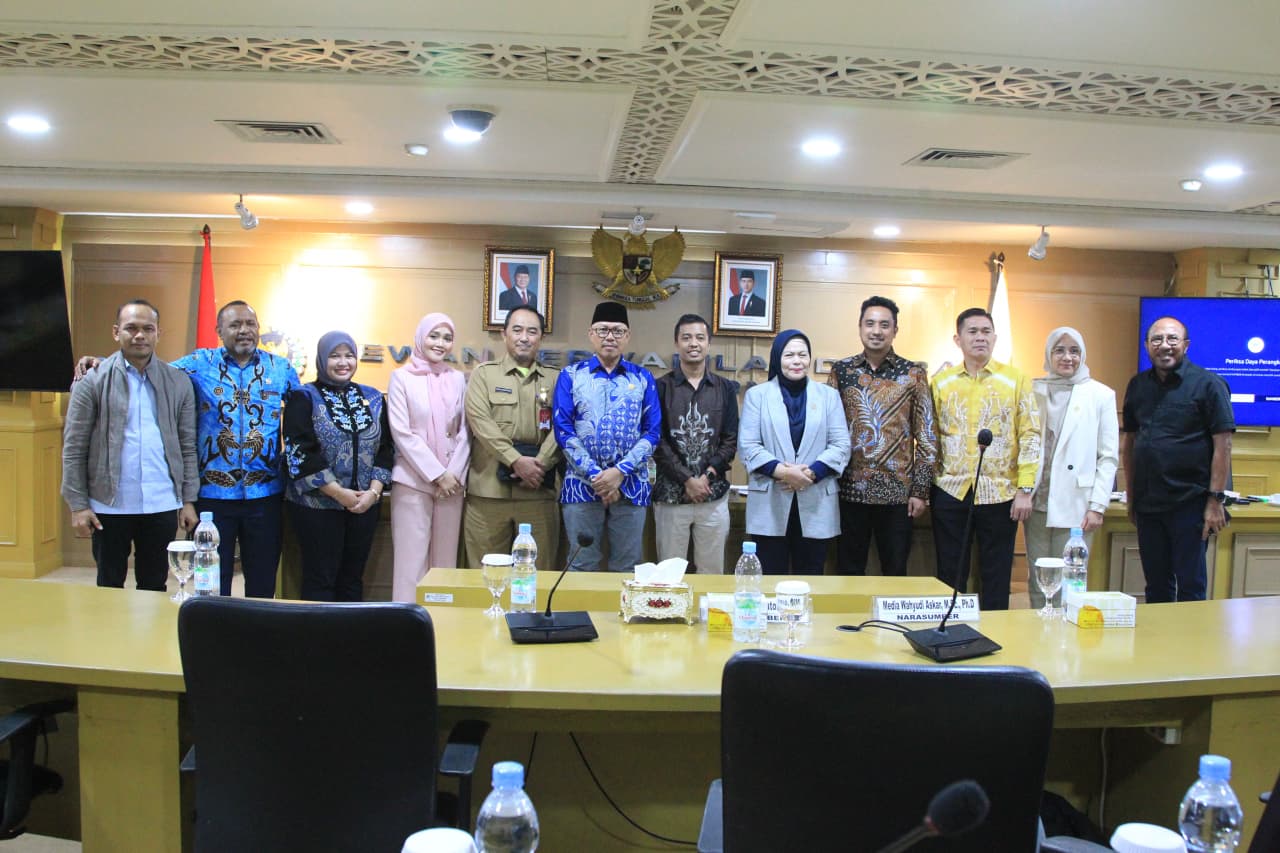
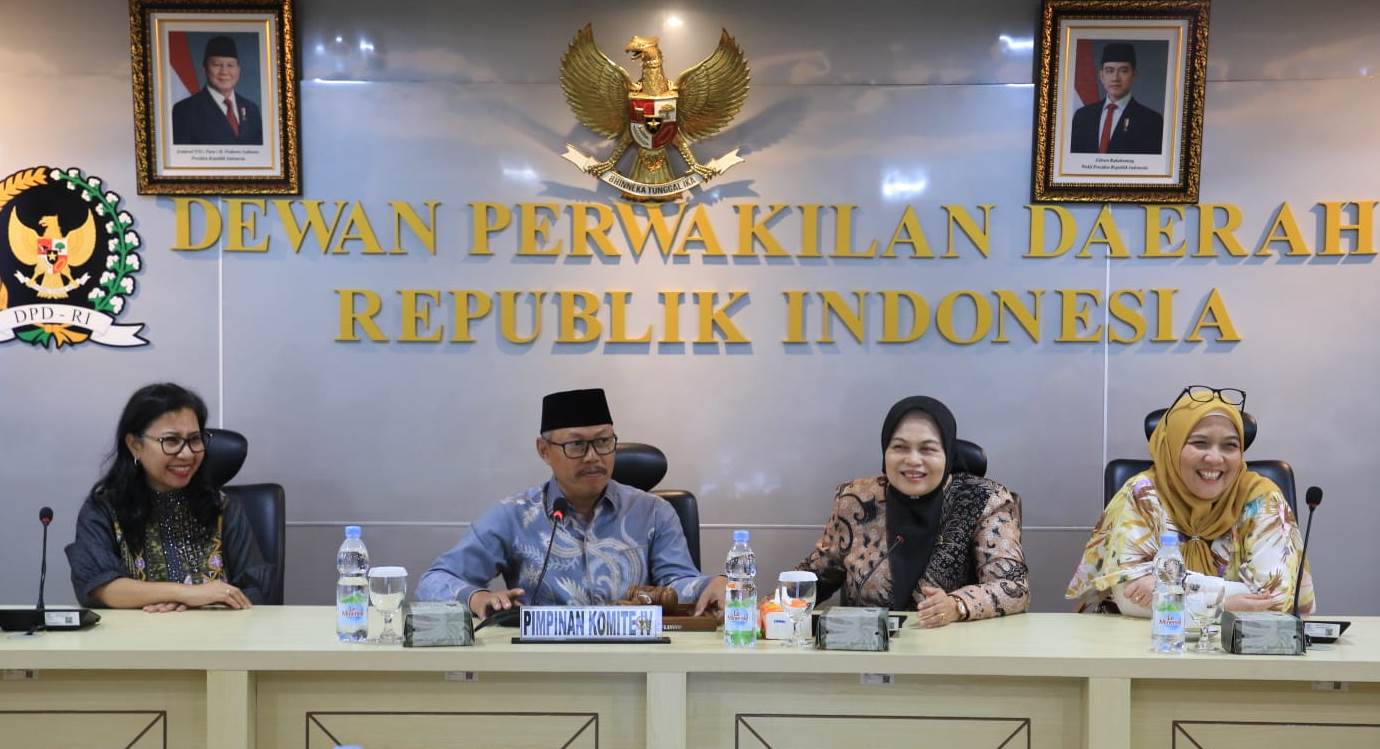
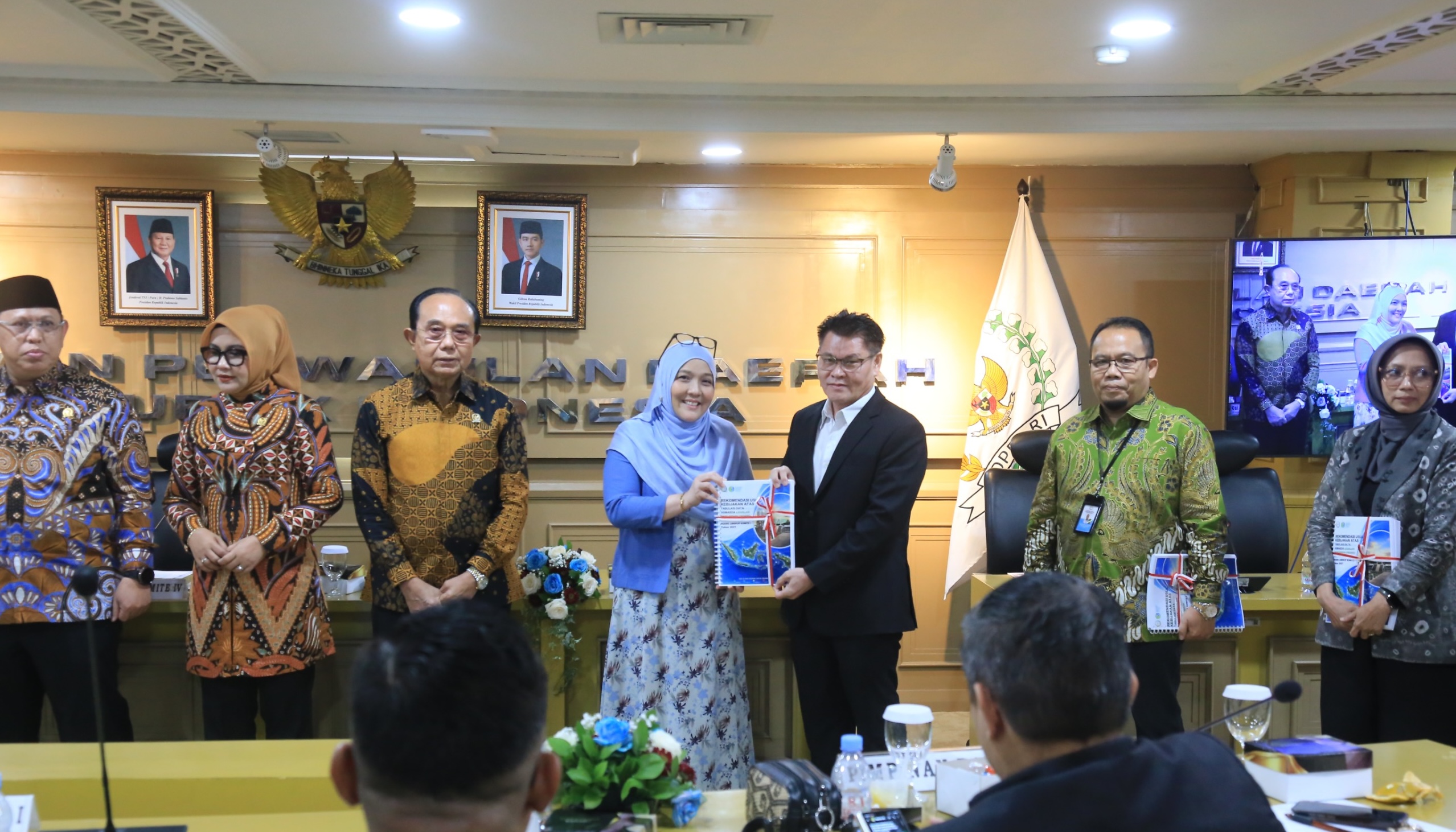
This was conveyed by the Vice Chairperson of Committee IV of the DPD RI, Novita Annakota when leading the Public Hearing (RDPU) regarding the submission of the Macroeconomic Framework and Fiscal Policy Principles (KEM-PPKF) for 2027, together with the Director of Public Policy of CELIOS Media Wahyudi Askar and the Director of Regional Revenue of the Ministry of Home Affairs Teguh Narutomo, at the DPD RI Building, Monday (22/6/2026).
According to Novita Annakota, the preparation of the 2027 KEM-PPKF was carried out amid global uncertainty due to geopolitical conflicts, supply chain disruptions, and energy and food price fluctuations that could impact Indonesia's economic growth. "High economic growth must be felt throughout the regions. We must not allow regions to become mere objects, while the benefits of development are not evenly distributed," said Novita while chairing the meeting.
She assessed that the economic growth target of 5.8–6.5 percent in 2027 was an optimistic target and also a test of the capacity of policy implementation, both by the central government and regional governments.
Committee IV of DPD RI also highlighted the paradox of national economic growth. Although the Indonesian economy has grown by an average of 5 percent in recent years, poverty and inequality have not decreased commensurately, and the middle class has even shrunk.
"Growth without equity will only widen the gap. Fiscal instruments must be a means of improving public welfare, not just growth rates,"s he said.
In response, CELIOS Media's Director of Public Policy, Wahyudi Askar, revealed that a key paradox in the 2027 KEM-PPKF lies in the long-held belief that high growth automatically breeds prosperity. In reality, a decade of stable 5 percent growth has failed to significantly reduce poverty, while 59.4 percent of the workforce remains trapped in the informal sector without social security. Amidst the narrative of pursuing growth of up to 6.5 percent, the middle class is actually shrinking due to real wage stagnation, premature deindustrialization, and added value concentrated in the hands of capital owners. Growth is celebrated on paper, but the social foundations that support it are increasingly fragile.
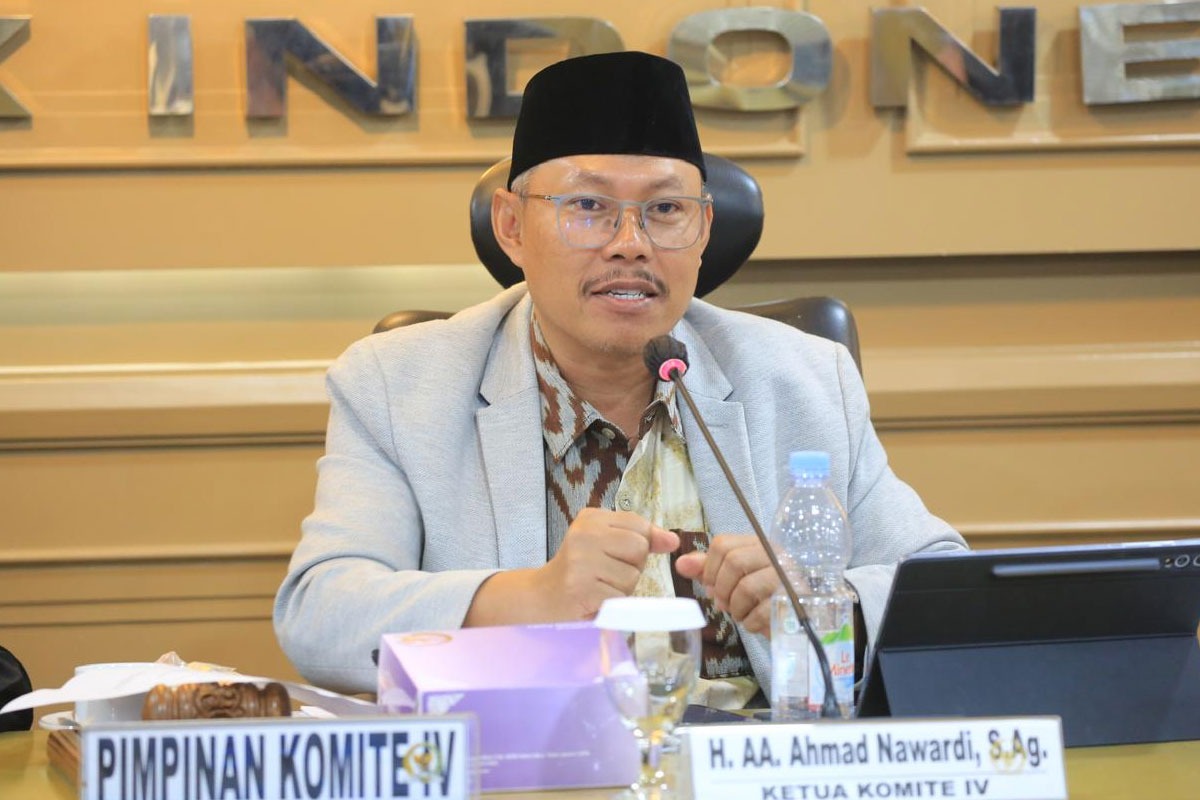
"The Indonesian economy is creating jobs, but not decent jobs. Amidst the narrative of high growth, the middle class is shrinking and losing real purchasing power—proof that rising GDP figures do not automatically translate into real prosperity," Wahyudi said. Closing the meeting, Ahmad Nawardi, Chairperson of Committee IV of the DPD RI, highlighted the vulnerability of fiscal capacity at the regional level. To date, regional development funding remains completely dependent on transfers from the central government. "Regional efforts to find innovative financing alternatives, such as issuing municipal bonds, are still stalling. This is due to limited human resource capacity, complex cross-ministerial regulations, perceived market risk, and a lack of political will at the local level," he said.
He continued, reminding the government that the 2027 State Budget architecture, which focuses on downstreaming, industrialization, and food and energy security, should not be centralized. Regions must be given a role as driving forces, not mere spectators. "Regional governments must be the primary actors in development, not merely implementers of central government policies," Ahmad concluded.**
AGENDA KEGIATAN
DEWAN PERWAKILAN DAERAH REPUBLIK INDONESIA