Informasi Seputar Kegiatan di DPD RI
AGENDA KEGIATAN
DEWAN PERWAKILAN DAERAH REPUBLIK INDONESIA
19 July 2026 oleh admin
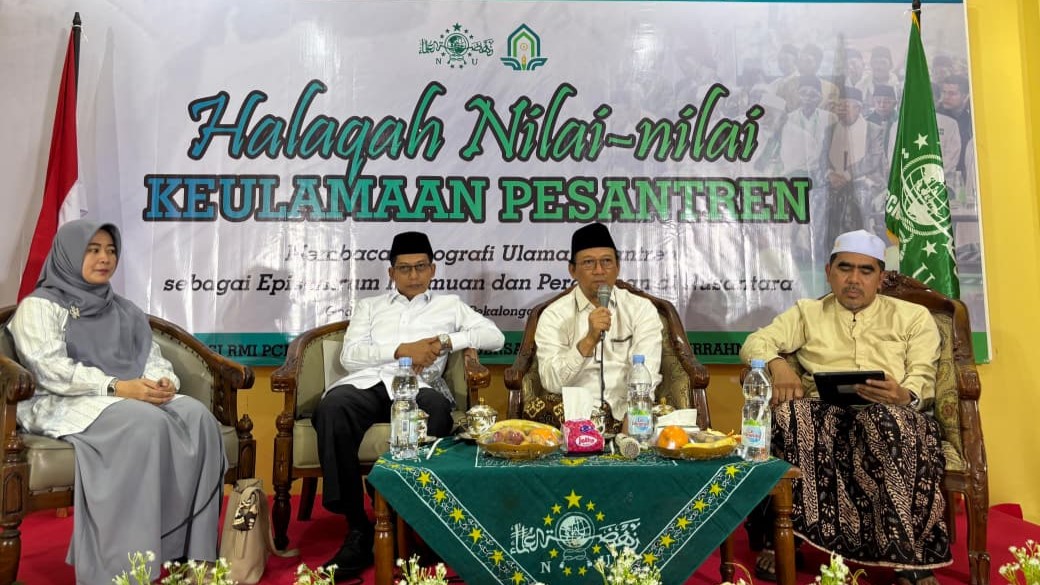
Pekalongan City, dpd.go.id – Rabithah Ma'ahid Islamiyah (RMI) Branch Management of Nahdlatul Ulama (PCNU) Pekalongan City in collaboration with the Center for Community Service (PKM) of the KH Abdurrahman Wahid (Gus Dur) State Islamic University successfully held a Halaqah on Islamic Boarding School Ulama Values with the main theme "Reading the Ethnography of Islamic Boarding School Ulama as the Epicenter of Knowledge and Civilization in the Archipelago".
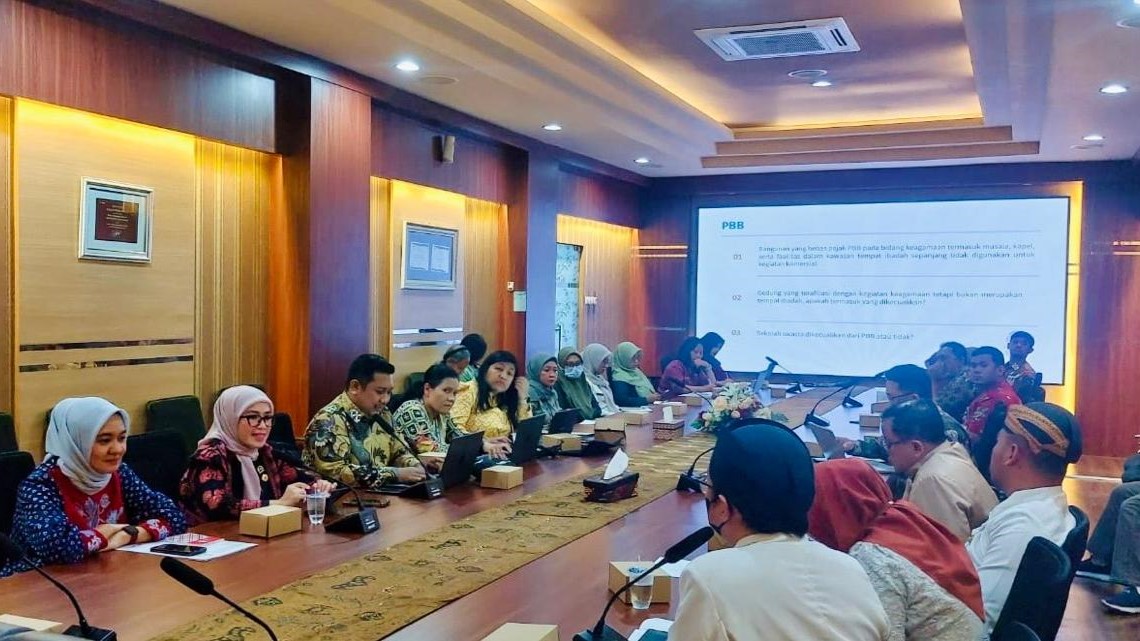
The event, held on Saturday (7/18/2026), served as a strategic platform to reaffirm the vital role of Islamic boarding schools (pesantren) in maintaining the nation's morals and civilization. The presence of participants from Islamic boarding schools, the Diniyah Takmiliyah Communication Forum (FKDT), and the TPQ Coordination Body (Badko) demonstrated the high level of enthusiasm for the initiative.
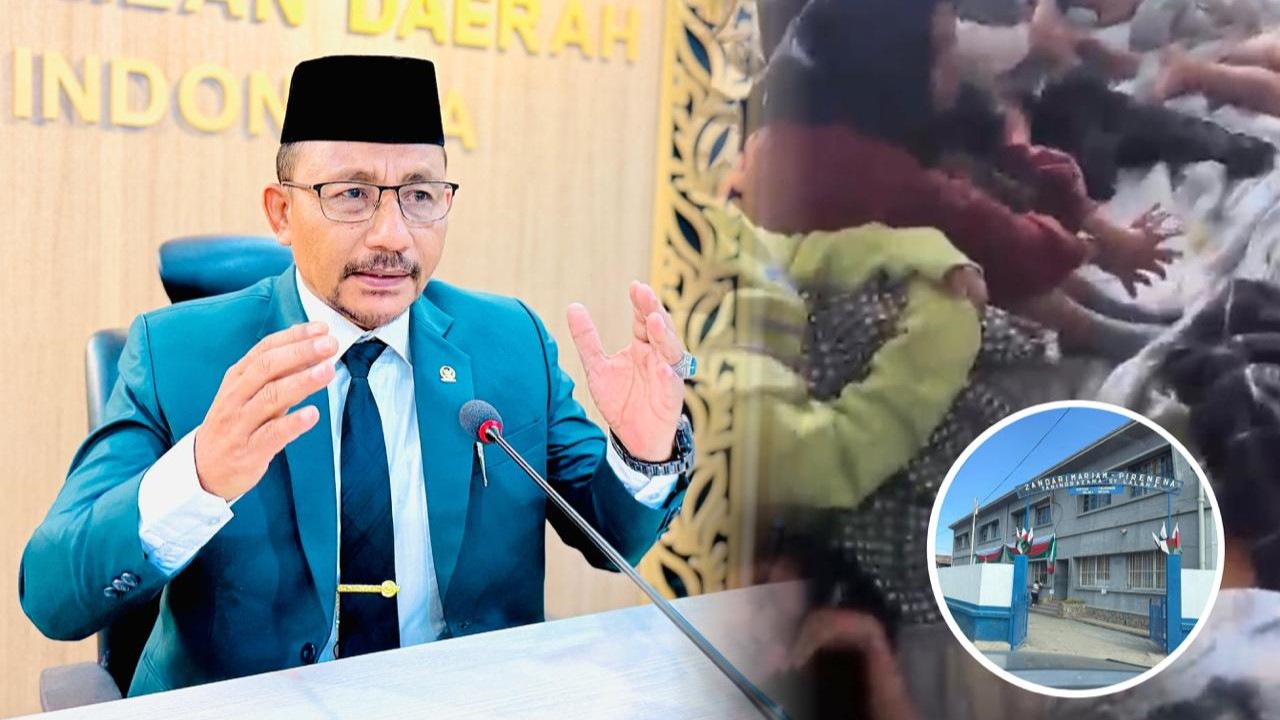
In his presentation, Dr. H. Hilmy Muhammad, M.A., a member of the House of the Regional Representative of the Republic of Indonesia (DPD RI), emphasized the responsibility of religious scholars (kiai) to provide ri'ayah (protection) for the community. This includes not only matters of ritual worship but also social and environmental issues. Crucially, the Senator from the Special Region of Yogyakarta (D.I.Y) highlighted the environmental conditions in Pekalongan as a real test of the exemplary behavior of ulama.
"If NU is considered a large Islamic boarding school, then the attention of NU kiai is focused on important and pressing issues in society. For example, in Pekalongan, NU must have the courage to speak out about garbage, river pollution, air pollution, and the dangers of waste to health. This is a form of compassion for the community's problems. If the ulama remain silent, then their role model and ri'ayah towards the community will be lost," explained the man familiarly known as Gus Hilmy.
According to one of the caretakers of the Krapyak Islamic Boarding School in Yogyakarta, kiai must be present and contribute to the solution to societal problems, just as kiai lovingly wake their students at dawn. This role of guarding the community is a core value of ulama (Islamic scholars) that must be relevant to the current situation.
"If NU is a large Islamic boarding school entity, then its task is the same: how to translate Islamic jurisprudence and regulations in a contemporary manner. Its primary focus is ri'ayah (guarding the community), just like a kiai (Islamic scholar) waking his students for morning prayers. If kiai cares for and cares for their students, then NU must also care about community affairs. We must not neglect them," he added.
The man, who also serves as Deputy Chair of the Ukhuwah Commission of the Indonesian Ulema Council (MUI) Yogyakarta branch, emphasized that the profile of a kiai cannot be separated from the pesantren ecosystem. According to him, education in pesantrens is not merely aimed at developing students cognitively. Furthermore, it also prepares them to face global challenges and world civilization, without losing their identity as Indonesian Muslims.
"The relationship between kiai and santri goes far beyond that of teacher and student in formal schools. It's a familial relationship, like that of father and son, that transcends the classroom. Kiai interact with their students 24/7, based on uswatun hasanah, or exemplary behavior," said Gus Hilmy.
The man who is also the Secretary of the Syuriyah of the Nahdlatul Ulama Executive Board (PBNU) also criticized the classification of "traditional" and "modern" which is often attached only based on the books taught.
"An Islamic boarding school with the adaptive capacity to engage in dialogue with civilization is truly a modern Islamic boarding school, regardless of the scriptures it teaches," Gus Hilmy emphasized.
Furthermore, Gus Hilmy explained the role of kiai as cultural brokers. He argued that today's kiai must possess the ability to accommodate modern ideas into the language of tradition, and vice versa, to translate traditional ideas into modern language with the spirit of al-muhafadzah 'ala al-qadim al-shalih wa al-akhdzu bi al-jadid al-ashlah.
The event, hosted by Dr. Hj. Ani, Deputy Dean I of the Faculty of Adab, UIN Gus Dur, also featured in-depth perspectives from other figures.
The Chairman of the Syuriyah PBNU, Dr. KH. Abdul Ghofur Maimoen, emphasized three important dimensions for a cleric: knowledge, spirituality, and added value. The caretaker of the Al-Anwar 3 Islamic Boarding School in Rembang, Central Java, recalled Imam Al-Ghazali's message in his book At-Tibru al-Masbuk, that clerics are like doctors for the people.
"If the doctor is sick, how can he possibly cure his people?" stressed Gus Ghofur, as he is familiarly known.
Meanwhile, Dr. KH. Hasan Suaidi, Chairman of the Syuriyah Board of the Nahdlatul Ulama Executive Board (PCNU) in Pekalongan City, stated that the idea for this event aligns with the PBNU's initiative to formulate a charter for scholars. This charter serves as a reminder for scholars, a guide for students aspiring to become scholars, and a reference for the community in seeking teachers with noble values.
From a demographic perspective, Dr. K.H. Hatim Ghozali of the RMI PBNU provided critical notes on the challenges of da'wah in the digital era. Survey data shows a declining trend in the younger generation's (Gen Z) engagement with religious institutions. This serves as a wake-up call for kiai (Islamic scholars) to formulate more adaptive da'wah strategies to ensure that religious values remain relevant for future generations.
AGENDA KEGIATAN
DEWAN PERWAKILAN DAERAH REPUBLIK INDONESIA