Informasi Seputar Kegiatan di DPD RI
AGENDA KEGIATAN
DEWAN PERWAKILAN DAERAH REPUBLIK INDONESIA
13 May 2026 oleh admin
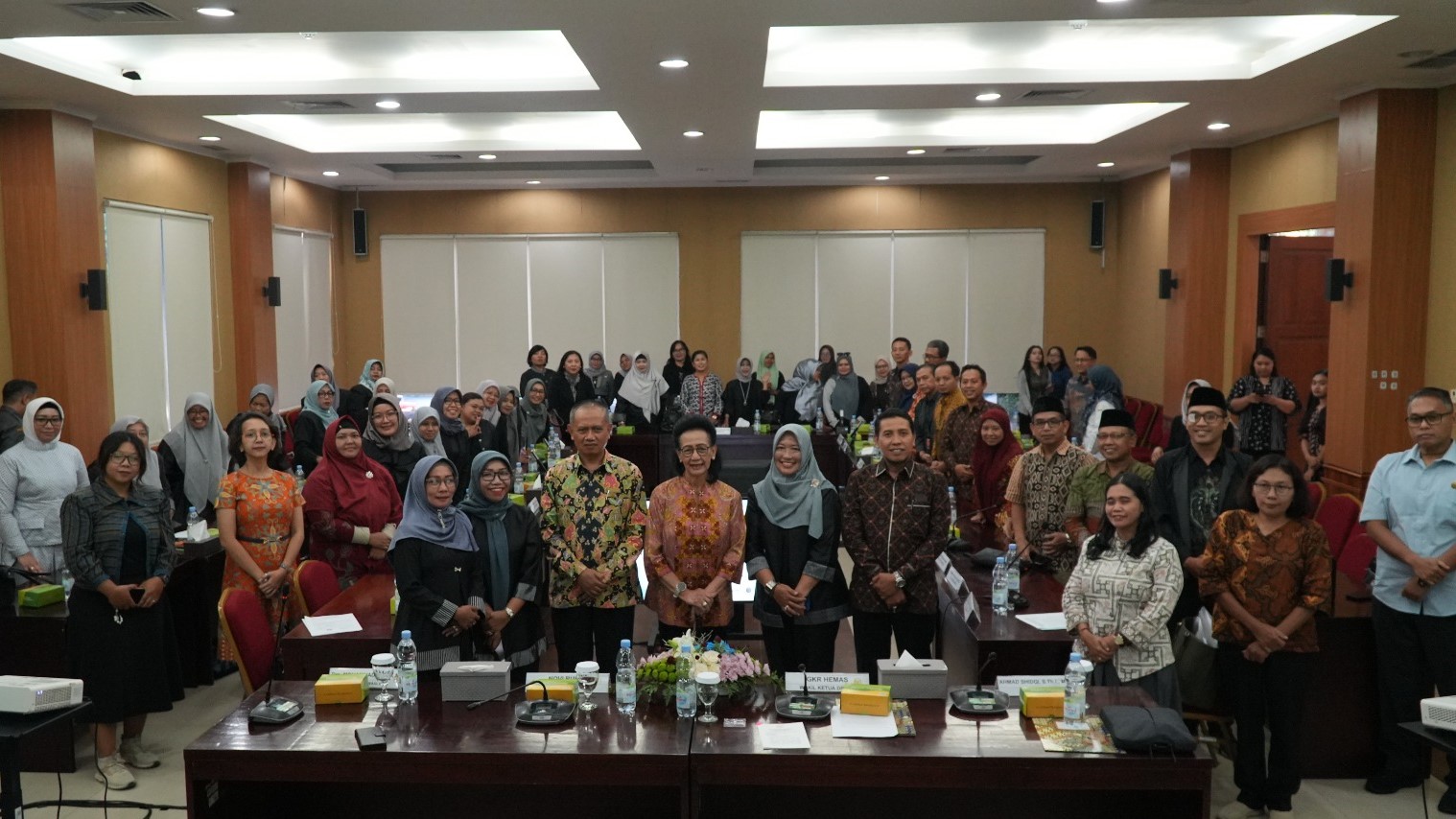
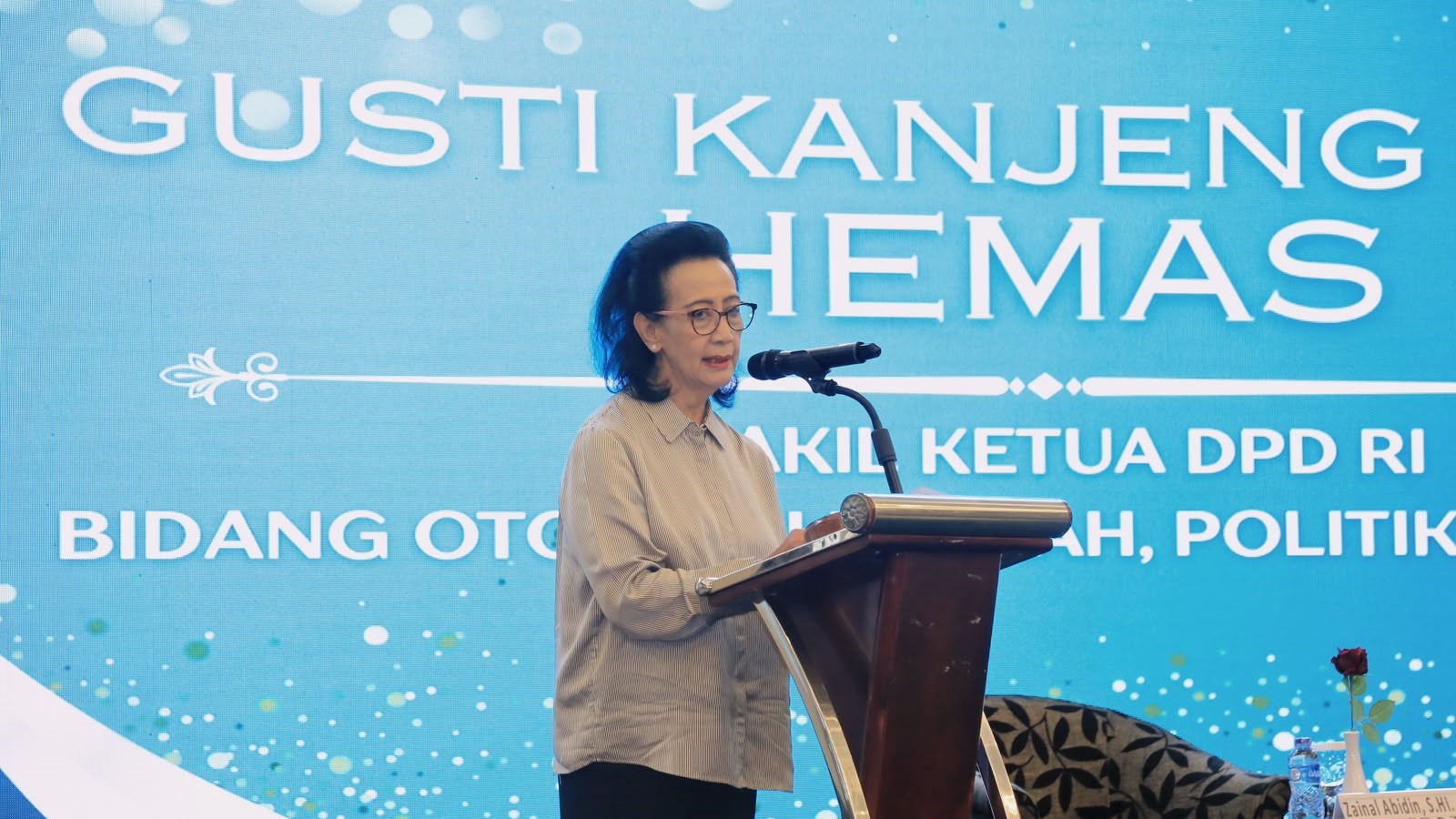
Yogyakarta, dpd.go.id - Gusti Kanjeng Ratu Hemas (GKR Hemas) emphasized that the evaluation of the 2024 General Election must be conducted seriously and openly to improve the quality of Indonesian democracy. The Vice Speaker of the House of Regional Representatives of the Republic of Indonesia (DPD RI) conveyed this during a working meeting to inventory oversight materials for the implementation of Law Number 7 of 2017 concerning General Elections, as last amended by Law Number 7 of 2023, in the 1st Floor Hall of the DPD RI DIY Office, Yogyakarta, Tuesday (12/5).
This activity involved various election stakeholders in the Special Region of Yogyakarta, including the Indonesian Women's Political Caucus (KPPI) of DIY and regencies/cities throughout DIY, the General Election Commission of DIY and regencies/cities throughout DIY, the General Election Supervisory Body of DIY and regencies/cities throughout DIY, and the Legal Bureau of the DIY Regional Secretariat. The working meeting discussed the evaluation of the 2024 Election, preparations for the 2029 Election, the implications of Constitutional Court Decision Number 135/PUU-XXII/2024 regarding the separation of National and Regional Elections, and strengthening the quality of democracy and regional representation.
In her remarks, GKR Hemas, who is also a member of Committee I, said that the election is not just a five-yearly agenda, but rather a reflection of the nation's maturity in maintaining the people's sovereignty.
"Elections are not just a five-yearly event, but a reflection of the quality of democracy and a measure of the nation's maturity in upholding the people's sovereignty. Therefore, the evaluation of the 2024 elections must be conducted seriously, openly, and responsibly to prevent the various challenges that have arisen from recurring in future elections," said GKR Hemas.
She highlighted various challenges in the 2024 elections, ranging from the high workload of election organizers, the five-ballot box system, logistics distribution, and public fatigue due to the close timing of the election stages. According to him, these conditions are important considerations for improvements leading up to the 2029 elections.
Furthermore, GKR Hemas assessed that the separation of National and Regional Elections following the Constitutional Court's ruling was an important momentum to strengthen local democratic space.
"With the break between national and regional elections, I hope local democratic spaces can grow healthier, more substantive, and more responsive to the needs of local communities," she said.
She also emphasized the importance of strengthening regional representation and women's involvement in politics. She believes that women's participation is not just about meeting representation requirements but also part of efforts to create more inclusive public policies. "A healthy democracy must provide equal opportunities for women to participate, not only as voters but also as decision-makers and agents of social change," she added.
Meanwhile, Ahmad Shidqi, Chairperson of the Yogyakarta Special Region General Elections Commission, outlined the complexities of the 2024 elections, which are considered among the most complex in the world. He stated that the elections will involve more than 820,000 polling stations (TPS) with a total of over 203 million voters across Indonesia.
"The elections in Indonesia are very complex, very extraordinary. They are being held simultaneously on the same day and time. This is a colossal event involving millions of people," he said.
The Yogyakarta General Elections Commission (KPU) also highlighted a number of challenges, ranging from regulatory changes resulting from the Constitutional Court's ruling mid-election, high election costs, to issues of voter mobility and the public's digital political literacy.
At the forum, Mohammad Najib, Chairperson of the Yogyakarta Special Region General Elections Supervisory Agency, also provided input regarding the revision of the Election Law. He emphasized the importance of strengthening oversight authority in the digital space, monitoring campaign finances, and protecting those who report election violations.
"Regulations should not lag too far behind changing social realities, as this would render them incompatible with the current, drastically changing situation," Najib said.
In addition, the DIY Election Supervisory Agency (Bawaslu DIY) also proposed strengthening the principle of inclusivity in the implementation of elections so that women, marginalized voters, and vulnerable groups can gain better access to political participation.
The working meeting took place in an open dialogue format, featuring presentations from the Yogyakarta General Elections Commission (KPU Yogyakarta), the Yogyakarta Elections Supervisory Agency (Bawaslu Yogyakarta), and the aspirations of the Yogyakarta-wide Indonesian Women's Political Caucus. The input from these various parties will inform The House of Regional Representatives of the Republic of Indonesia (DPD RI)'s recommendations for refining election regulations toward a more democratic, effective, inclusive, and responsive 2029 election.*
AGENDA KEGIATAN
DEWAN PERWAKILAN DAERAH REPUBLIK INDONESIA