Informasi Seputar Kegiatan di DPD RI
AGENDA KEGIATAN
DEWAN PERWAKILAN DAERAH REPUBLIK INDONESIA
24 August 2026 oleh admin
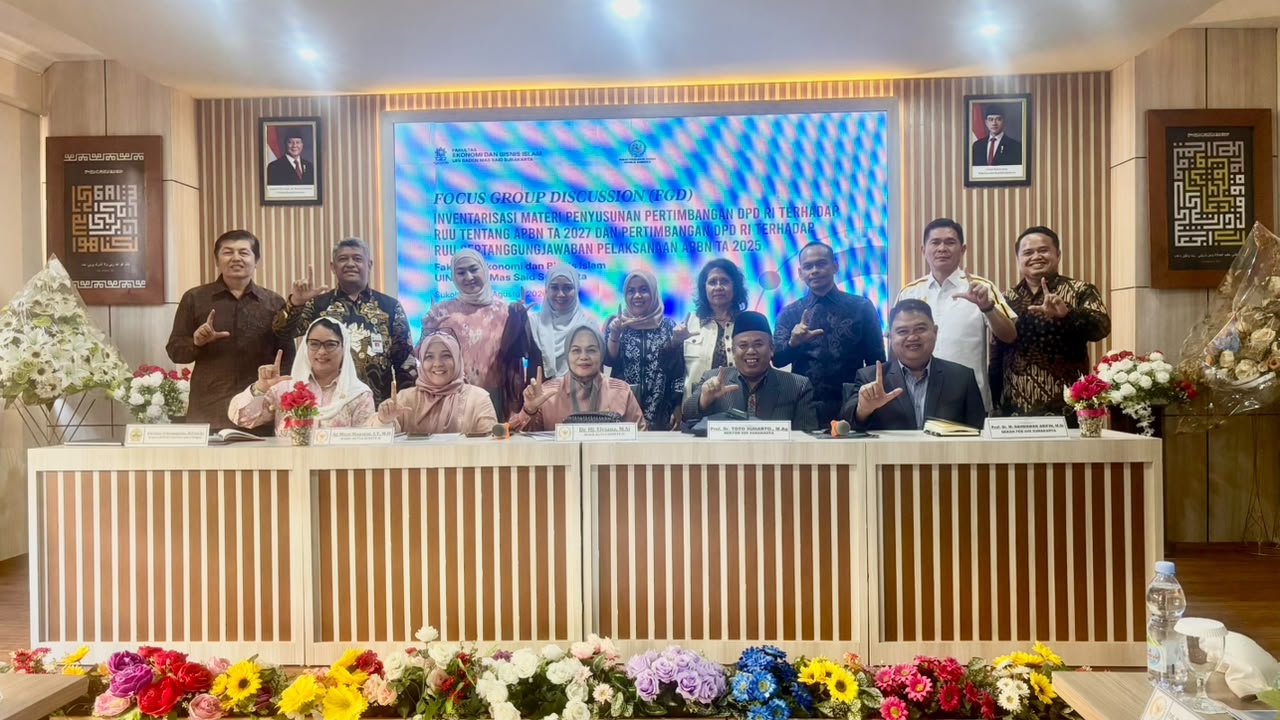
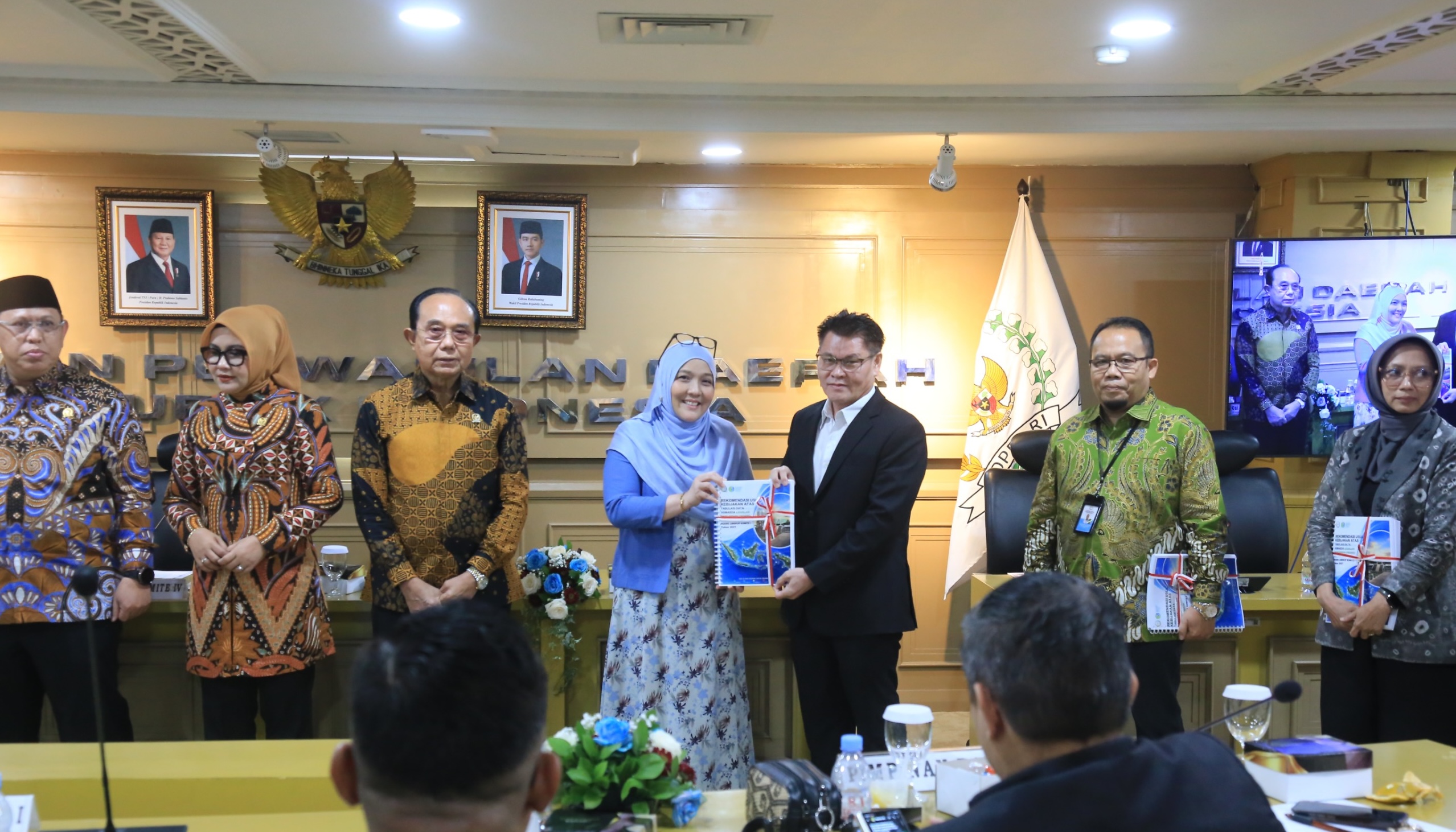
Surakarta, dpd.go.id – Committee IV of the House of Regional Representatives of the Republic of Indonesia (DPD RI) held a Focus Group Discussion (FGD) at the Faculty of Islamic Economics and Business, UIN Raden Mas Said Surakarta, to gather input for drafting the DPD RI’s Considerations on the Draft State Budget (RUU APBN) for Fiscal Year 2027 and the Draft Bill on the Accountability for the Implementation of the APBN for Fiscal Year 2025.
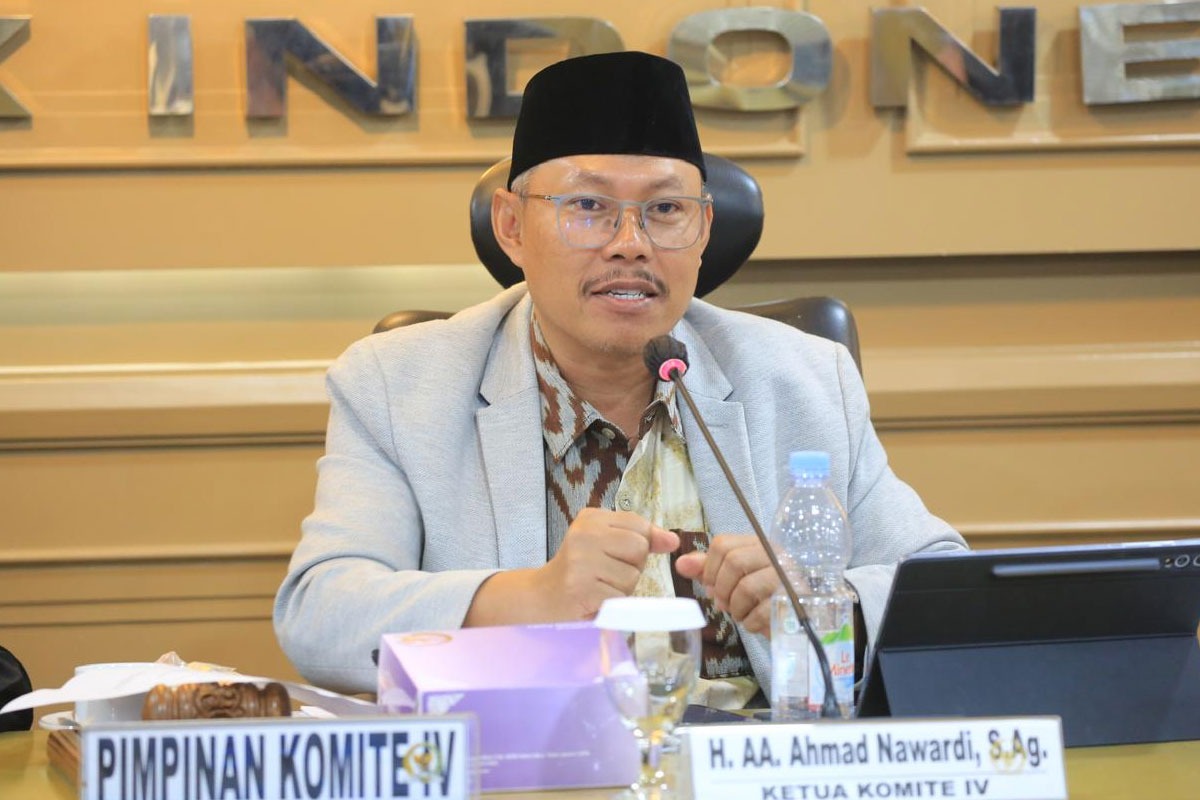
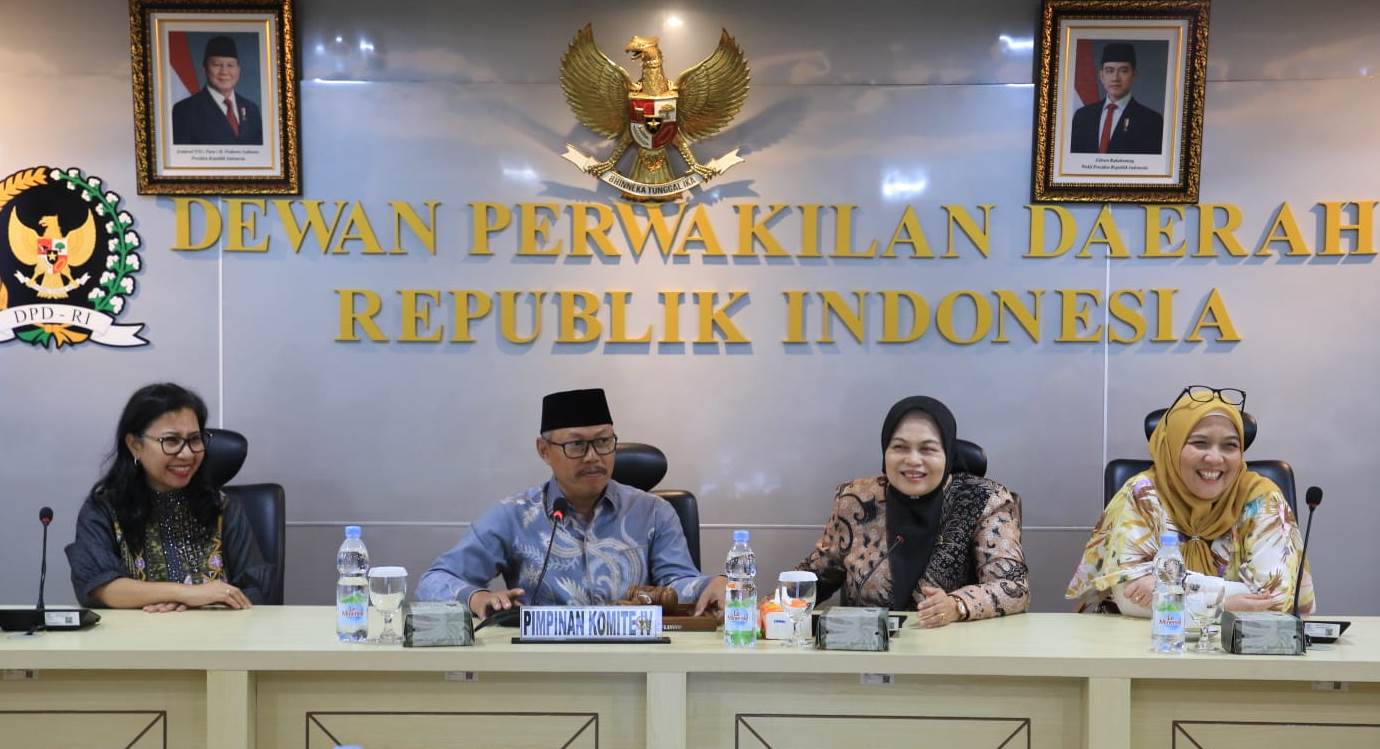
The FGD was attended by the Vice Chairperson of Committee IV of the DPD RI, Elviana, members of Committee IV, and the academic community of UIN Raden Mas Said Surakarta led by Rector Toto Suharto. The forum brought together legislative, academic, expert, and regional fiscal management perspectives to examine whether the 2027 Draft State Budget (RAPBN) can successfully translate macroeconomic stability into real prosperity in the regions.
Committee IV noted that the 2027 RAPBN projects state expenditure at Rp4,097.2 trillion, consisting of Central Government Expenditure of Rp3,362.2 trillion and Transfers to Regions (TKD) of Rp735.0 trillion. With TKD accounting for approximately 18 percent of total state expenditure, concerns emerged that national fiscal consolidation must not narrow regional capacity to fund public services and productive development.
Vice Chairperson of Committee IV DPD RI, Elviana, emphasized that national fiscal health must go hand in hand with the strengthening of regional fiscal capacity.
“The 2027 RAPBN must not only be healthy at the national level, but it must also strengthen regional fiscal resilience. Fiscal consolidation must not reduce the ability of regional governments to provide public services and generate new sources of growth,” Elviana stated.
According to her, the success of the RAPBN cannot be measured solely by the central government’s ability to maintain macroeconomic indicators. The impact of budget policies must be reflected in improved public service quality, infrastructure development, job creation, and enhanced community welfare in the regions.
The discussion also highlighted that fiscal capacity is not synonymous with spending quality, as noted by Rianovel Mare, Chief Financial Economist at MORE. While regions are required to improve the effectiveness and productivity of Regional Budgets (APBD), high spending quality cannot replace the need for adequate fiscal space.
FGD materials revealed a contraction in regional spending of 11.1 percent from 2025 to 2026, with capital expenditure dropping by 29.5 percent. This condition serves as an important signal that the 2027 fiscal design must avoid undermining the ability of regions to build new sources of growth.
“We must distinguish between efficiency and the narrowing of fiscal space. Quality spending is indeed important, but regions still require sufficient fiscal capacity to finance productive development,” said Rianovel Mare.
Academics from UIN Raden Mas Said Surakarta also noted that the economic growth target of around 6 percent must be evaluated alongside various risks, including exchange rates, oil prices, interest rates, and public purchasing power. The discussion emphasized that national growth is meaningful only if its transmission reaches the regions through investment, employment opportunities, MSMEs, and increased household income.
Meanwhile, the Head of the Central Java Regional Financial and Asset Management Agency (BPKAD), Dwiyanto Priyonugroho, stressed the importance of infrastructure spending and downstream industrialization to build a local value-added ecosystem, rather than reducing regions to mere project locations or raw material suppliers.
“Infrastructure and downstreaming must generate added value locally. Regions must not serve merely as project sites or raw material suppliers; they must share in the value creation, investment, and job creation processes,” Dwiyanto said.
He added that the Solo Raya region could be strengthened through the Solo–Semarang connectivity network, agro-industrial development, tourism, the creative economy, and the positioning of universities as regional innovation hubs. Universities need to connect more deeply with local governments, the business sector, MSMEs, and local communities so research transforms into innovation, investment, and employment.
Committee IV of the DPD RI concluded that linking national fiscal policy to regional needs is critical in formulating the 2027 RAPBN. Transfers to regions must ensure support for basic public services while leaving enough space for regions to develop high-potential economic sectors.
“Economic growth must have leverage that reaches the regions. Therefore, the design of the 2027 APBN must ensure regions have the room to maneuver, invest, and develop their respective economic potential,” Elviana reaffirmed.
Committee IV reiterated that the 2027 RAPBN is not complete if it is healthy only on national paper. The true measure of its success will be whether economic growth, fiscal space, and development benefits are equitably felt across all regions.
“A healthy APBN is one that maintains national stability while simultaneously fortifying regional strength. Ultimately, the benchmark for budget success is how far development benefits are felt by the people,” Elviana concluded.
AGENDA KEGIATAN
DEWAN PERWAKILAN DAERAH REPUBLIK INDONESIA