Informasi Seputar Kegiatan di DPD RI
AGENDA KEGIATAN
DEWAN PERWAKILAN DAERAH REPUBLIK INDONESIA
07 October 2026 oleh admin
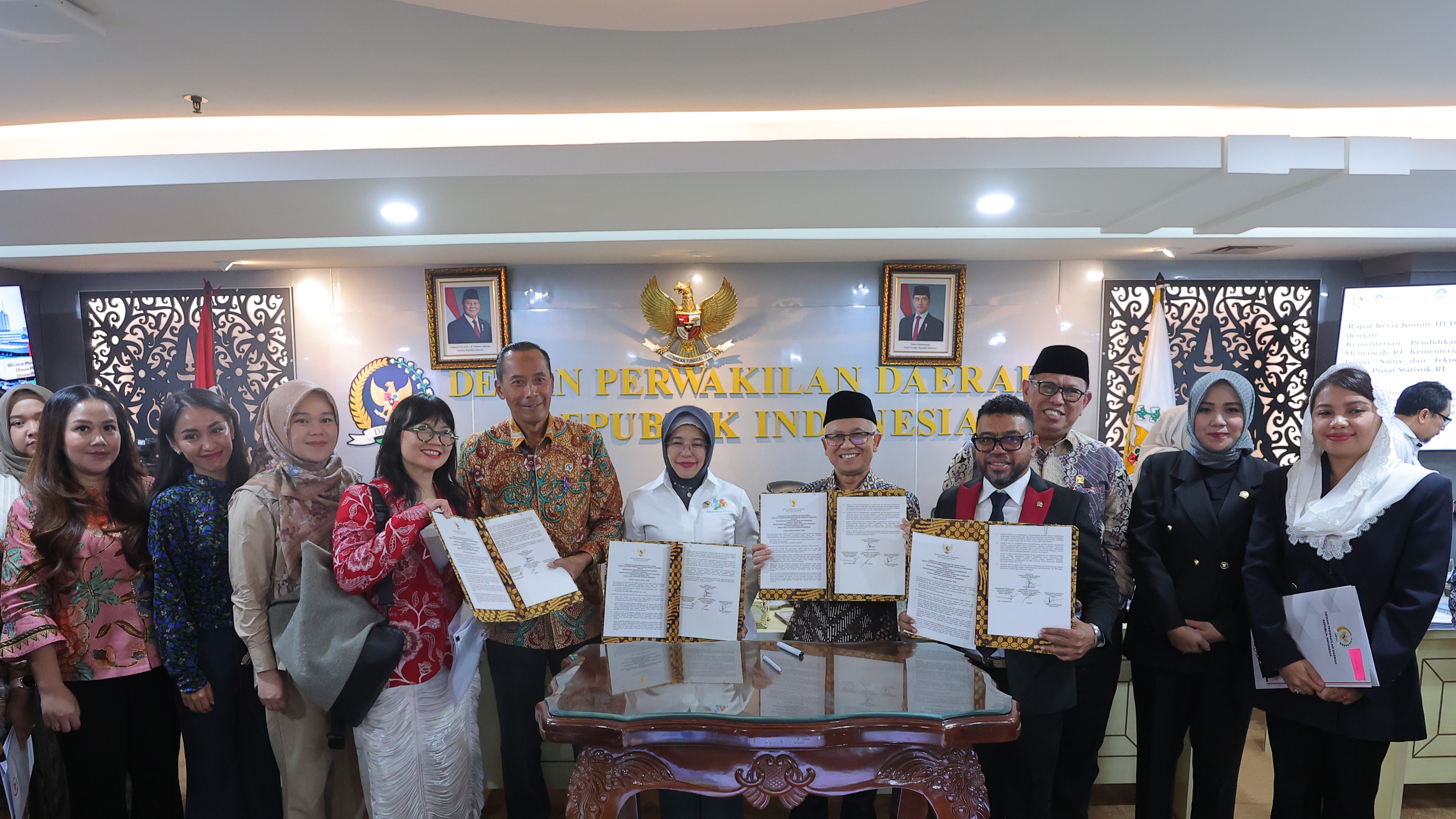
JAKARTA, dpd.go.id — The Committee III of the House of Regional Representatives of the Republic of Indonesia (DPD RI) held a Working Meeting with the Ministry of Primary and Secondary Education, the Ministry of Higher Education, Science, and Technology, and the Statistics Indonesia (BPS) at the Parliament Complex, Jakarta, on Tuesday (10/6/2026). The meeting discussed the utilization of the National Single Social and Economic Data (Data Tunggal Sosial dan Ekonomi Nasional / DTSEN) in determining beneficiaries for the Smart Indonesia Program (Program Indonesia Pintar / PIP) and the Smart Indonesia Card for Higher Education (KIP Kuliah).
The Leadership of Committee III of DPD RI, Filep Wamafma, emphasized the importance of synchronization between data providers and data users to ensure that the implementation of educational assistance policies does not disadvantage students, particularly in regional areas.
"This meeting is expected to yield a comprehensive understanding as well as recommendations that can be acted upon immediately. We must not allow any child who is genuinely entitled to assistance to have their education halted simply due to data issues," Filep stressed when opening the meeting.
The Committee III of DPD RI noted that the application of DTSEN decile rankings still causes several obstacles in the regions. Beyond the public's limited understanding of the ranking methodology, sudden shifts in decile classifications also risk disrupting the continuity of educational assistance for students.
"The issue is that the timing of data updates often does not align with the academic calendar from beneficiary determination and re-registration to tuition fee payments. Consequently, students who should receive assistance face the risk of losing their aid precisely when they need it most," Filep stated.
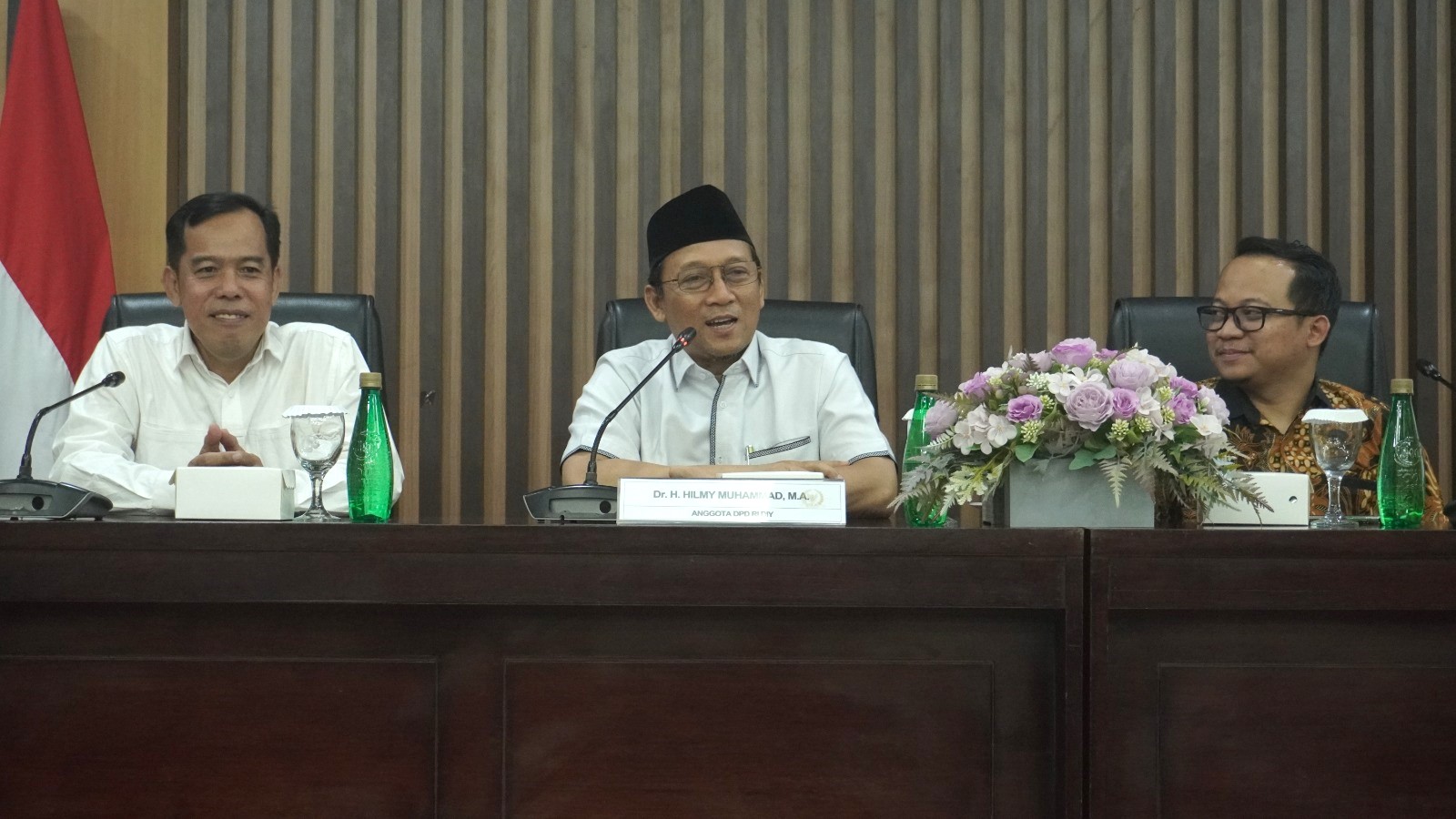
Responding to these concerns, the Secretary General of the Ministry of Higher Education, Science, and Technology, Taufik, reported that the demand for KIP Kuliah continues to rise. To date, applicants for KIP Kuliah coming from Deciles 1–4 have surpassed 400,000 individuals. Meanwhile, the quota for new KIP Kuliah recipients in 2026 stands at 210,000 students and is projected to increase to 230,000 students in 2027.
According to Taufik, the government requires support from DPD RI to advocate for an increased KIP Kuliah budget so that beneficiary coverage can be expanded.
"Applicants for KIP Kuliah from Deciles 1 through 4 alone have already exceeded 400,000 people. Meanwhile, this year's new recipient quota is 210,000 students, and next year it is projected to reach 230,000 students. Therefore, we hope for DPD RI's support in advocating for additional budget allocations so that more students from underprivileged families can access KIP Kuliah," Taufik said.
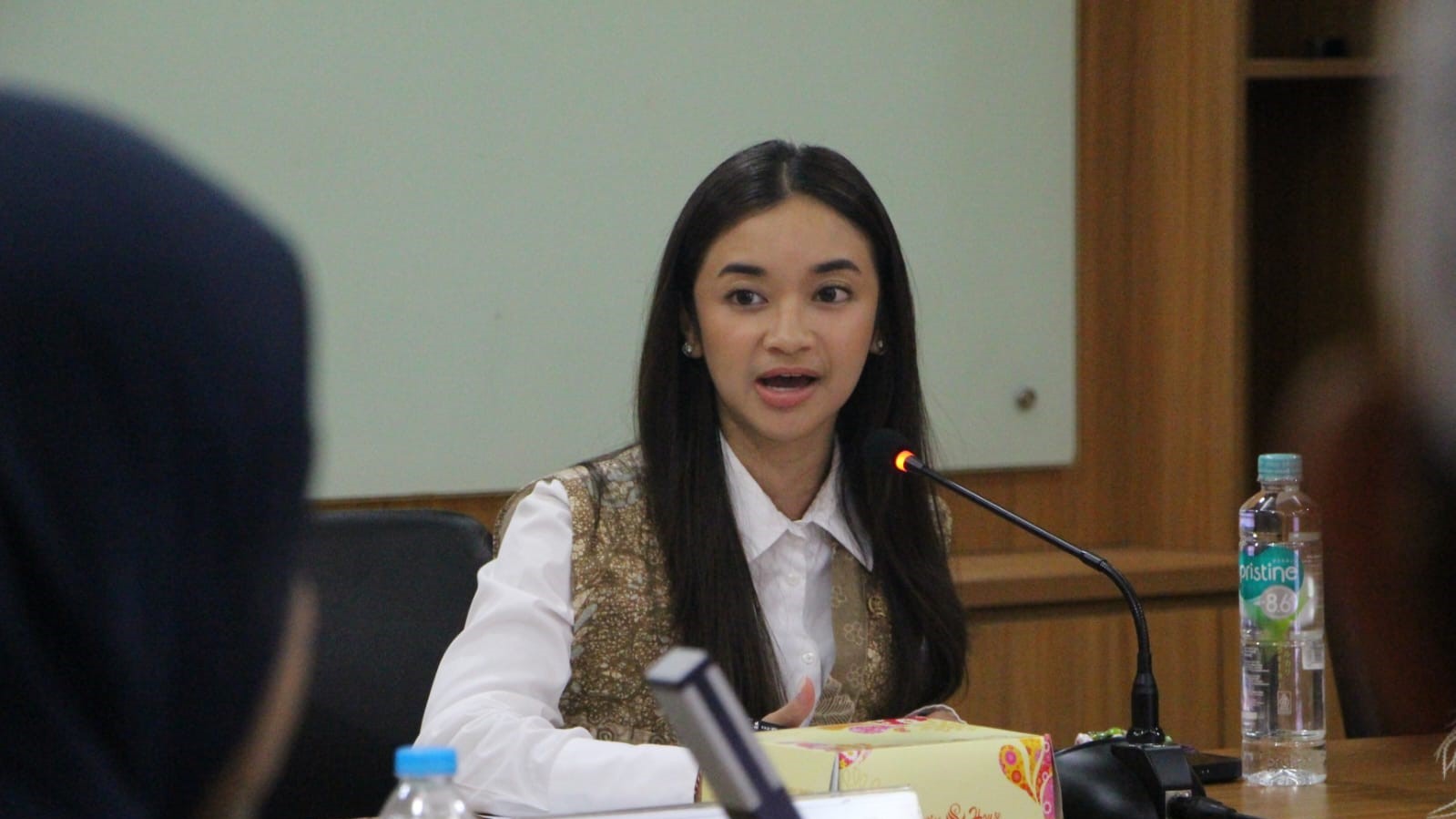
Meanwhile, DPD RI Member from Central Papua, Eka Kristina, revealed persistent issues regarding the application of DTSEN deciles in her region. She cited an example of approximately 130 students at a private higher education institution in Central Papua who, in reality, come from underprivileged families but were recorded in Deciles 6 through 10, thereby encountering hurdles in obtaining educational assistance.
"We found approximately 130 students whose actual economic conditions require aid, yet they were placed in Deciles 6 through 10. Conditions like this demonstrate that data needs to be re-evaluated by considering factual on-the-ground conditions, especially in regions like Papua, which have their own unique characteristics and challenges," Eka observed.
Eka proposed evaluating the application of DTSEN decile rankings in the Papua region by taking into account the local population's social, economic, and geographical conditions. In her view, factual verification of economic conditions remains essential to ensure that affirmative education policies truly reach those in need.
As a follow-up, Committee III of DPD RI evaluated that improvements to educational assistance beneficiary data must be strengthened through inter-agency synchronization, periodic data updates, and verification and appeal mechanisms that are responsive to factual regional conditions. These efforts are crucial to ensuring that students from low-income families retain their right to educational support and do not lose the opportunity to pursue higher education due to administrative discrepancies.
AGENDA KEGIATAN
DEWAN PERWAKILAN DAERAH REPUBLIK INDONESIA