Informasi Seputar Kegiatan di DPD RI
AGENDA KEGIATAN
DEWAN PERWAKILAN DAERAH REPUBLIK INDONESIA
08 May 2026 oleh admin
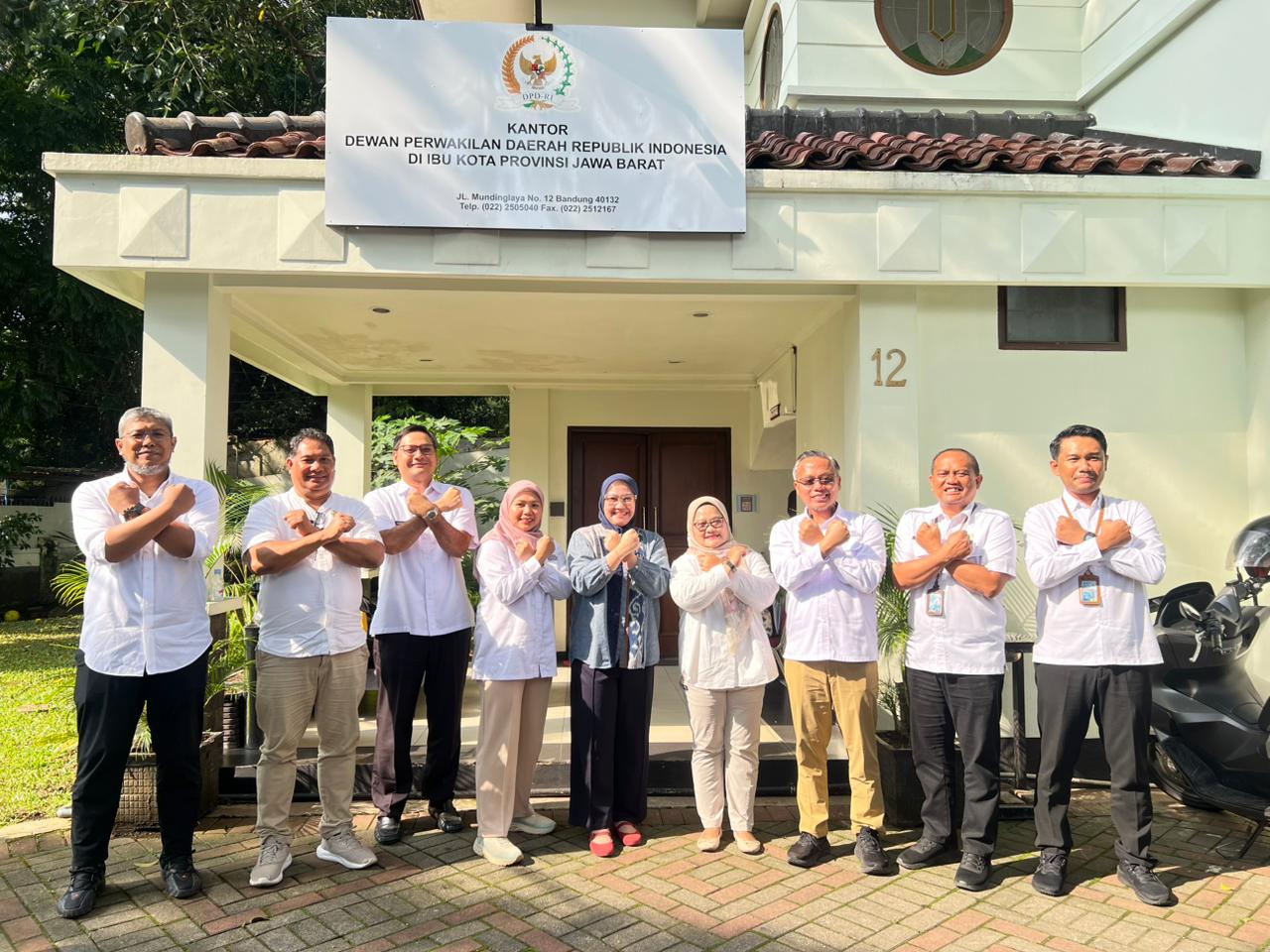
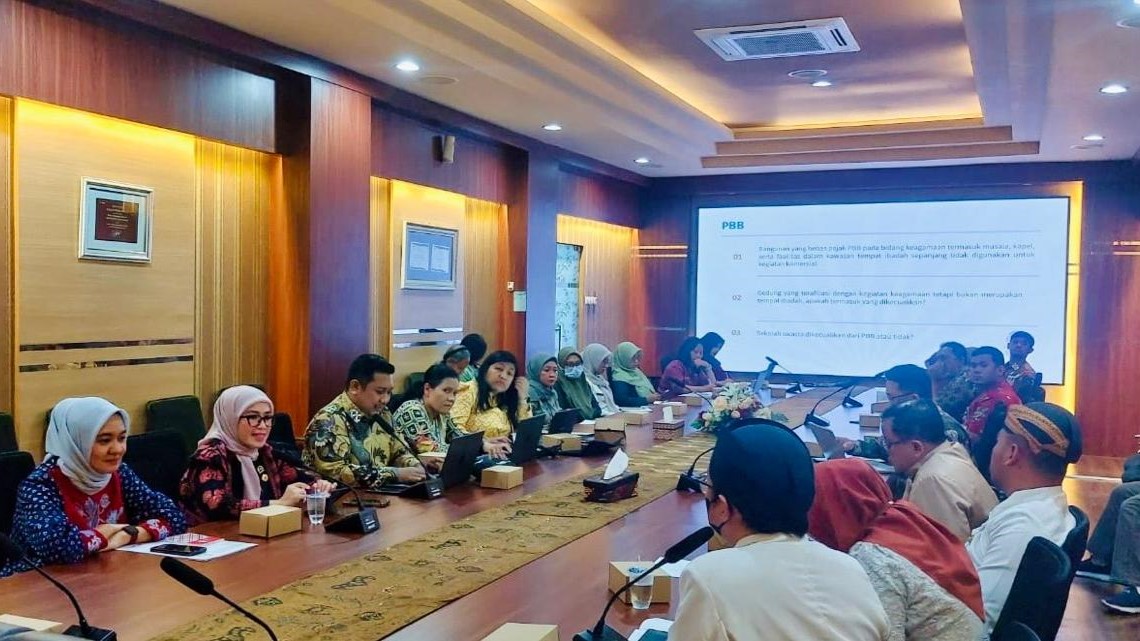
dpd.go.id Bandung – Member of Committee III of the House of Regional Representatives (DPD) of the Republic of Indonesia (RI) representing the West Java (Jabar) constituency, Agita Nurfianti, is pushing for the strengthening of protections for Indonesian Migrant Workers (PMI) and firm action against illegal practices. This was stated during the recess activities of Committee III of the DPD RI regarding the oversight of the implementation of Law Number 18 of 2017 concerning the Protection of Indonesian Migrant Workers, on Wednesday (May 6), in Bandung.
The event was attended by representatives from the West Java Indonesian Migrant Worker Protection Service Center (BP3MI), the West Java Provincial Manpower and Transmigration Office (Disnakertrans), and stakeholders related to migrant worker protection.
During the meeting, various issues concerning migrant workers in West Java were addressed, ranging from the prevalence of illegal recruitment practices, weak law enforcement against human trafficking crimes (TPPO), limited budget and human resources, to low community literacy regarding safe migration.
Agita Nurfianti emphasized that the findings from this aspiration-gathering process will serve as vital material for working meetings with relevant ministries and agencies in Jakarta following the recess period.
“Migrant workers are a routine oversight agenda that we continue to monitor. The issues arising from West Java are very complex; therefore, all input from BP3MI, Disnakertrans, and relevant authorities will be brought to working meetings with the ministry to ensure concrete steps are taken to strengthen PMI protection,” said Agita.
Based on the presentation by BP3MI West Java, the province is the second-largest sender of migrant workers after East Java, yet it ranks first in the number of complaints and migrant worker issues. The placement of migrant workers from West Java continues to rise, from approximately 56,000 people in 2023 to over 61,000 in 2024, with primary destination countries being Taiwan, Hong Kong, and Malaysia.
However, behind these high placement figures, West Java also recorded nearly 15,000 case complaints, significantly higher than other provinces. Common issues include unpaid wages, overstays, incomplete documentation, deaths, and repatriation requests. Agita assessed that these conditions indicate a need for strengthened oversight from upstream to downstream, including crackdowns on illegal recruitment practices involving brokers and job training centers (LPK) that exceed their authority. “We see that many loopholes are still being exploited by unscrupulous actors, either through non-procedural routes or recruitment modes disguised as training. Therefore, strengthening oversight and law enforcement must be done seriously and in an integrated manner,” she said.
She also highlighted the weak follow-up on several human trafficking (TPPO) reports that fail to reach the P21 stage (complete investigation), resulting in a lack of deterrent effect for perpetrators. According to her, cross-sectoral coordination between the Indonesian Migrant Worker Protection Agency (BP2MI), the police, the prosecutor's office, immigration, and the Ministry of Foreign Affairs needs to be reinforced through more operational Memorandums of Understanding (MoU). “Migrant worker cases are cross-sectoral. They cannot be handled in isolation. We will push for strengthened MoUs between BP2MI, the Police, the Prosecutor's Office, Immigration, and relevant ministries so that case handling can be faster and more effective,” Agita stated.
Beyond law enforcement, Agita emphasized the importance of education and safe migration literacy at the village level. In her view, the community remains vulnerable to becoming victims due to a lack of information and high economic pressure. “Direct socialization approaches in villages are still very much needed. Village officials, community groups, and the PKK women's network need to be involved so that the community understands safe migration procedures and is not easily lured by the promises of brokers,” she remarked.
The forum also raised the issue of difficult access to formal financing for prospective migrant workers. Many migrant workers end up trapped in high-interest loans or informal lending for departure costs. Consequently, Agita is encouraging a lighter financing scheme through synergy between the government, the banking sector, and Village-Owned Enterprises (BUMDes). “If access to formal financing is made easier, people will not easily fall into illegal routes. This is also important to break the dependency on high-interest loans that burden migrant workers and their families,” she said.
Agita added that the DPD RI will also push for an increase in the budget for migrant worker protection in the discussion of the 2027 State Budget Draft (RAPBN). According to her, migrant worker protection services are a national priority that must receive adequate budget support, including for socialization, case handling, repatriation, and victim assistance.
“Do not let migrant worker protection services be disrupted due to budget constraints. This concerns the safety and rights of our citizens working abroad,” she concluded.
AGENDA KEGIATAN
DEWAN PERWAKILAN DAERAH REPUBLIK INDONESIA