Informasi Seputar Kegiatan di DPD RI
AGENDA KEGIATAN
DEWAN PERWAKILAN DAERAH REPUBLIK INDONESIA
15 September 2026 oleh admin
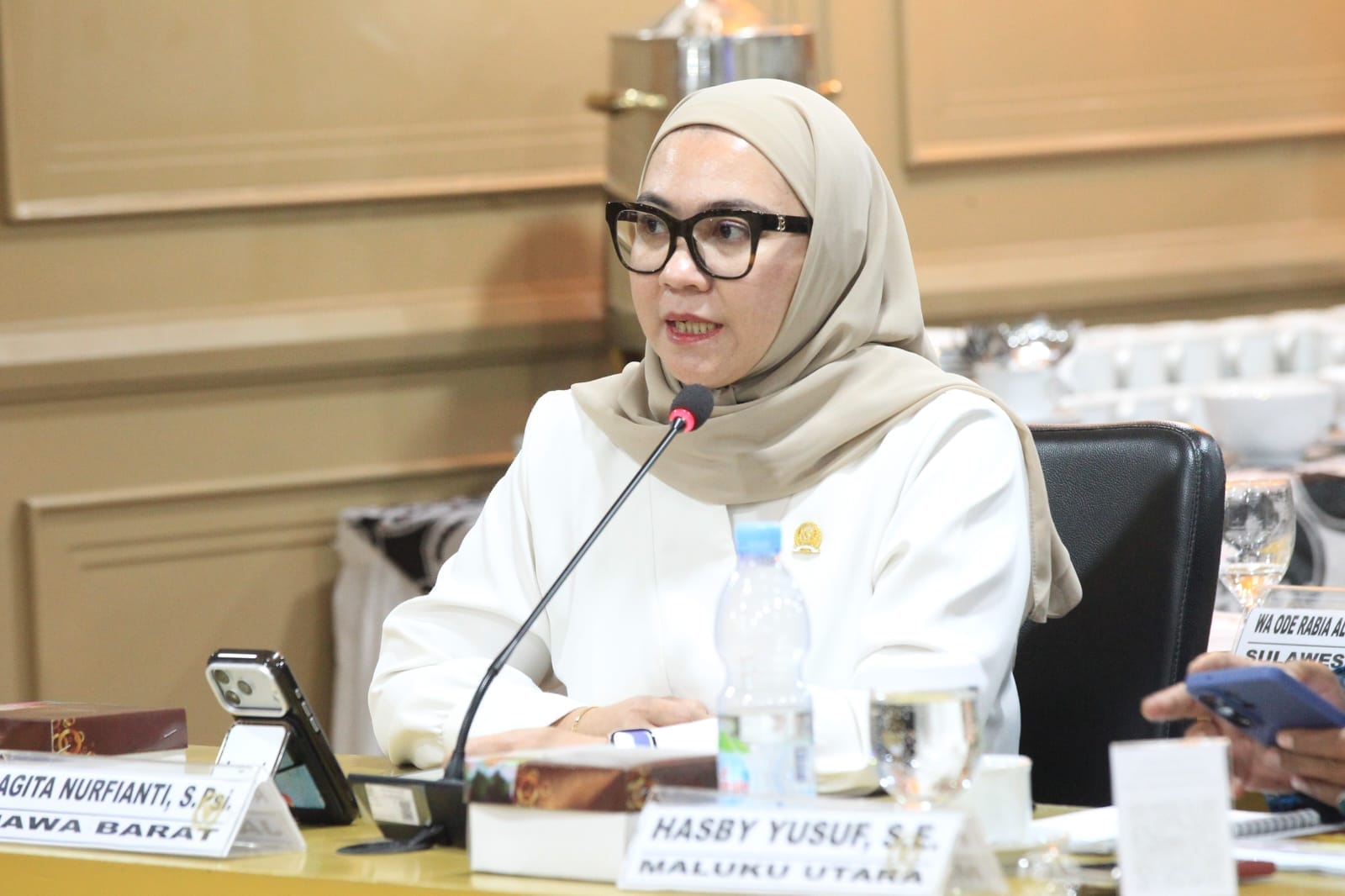
Jakarta, dpd.go.id – Member of Committee III of the House of the Regional Representatives (DPD) of the Republic of Indonesia (RI) for the Electoral District of West Java (Jabar) Agita Nurfianti urged the government to ensure the continuity of education and the future of Elementary School students, especially those who have completed their education up to high school level.
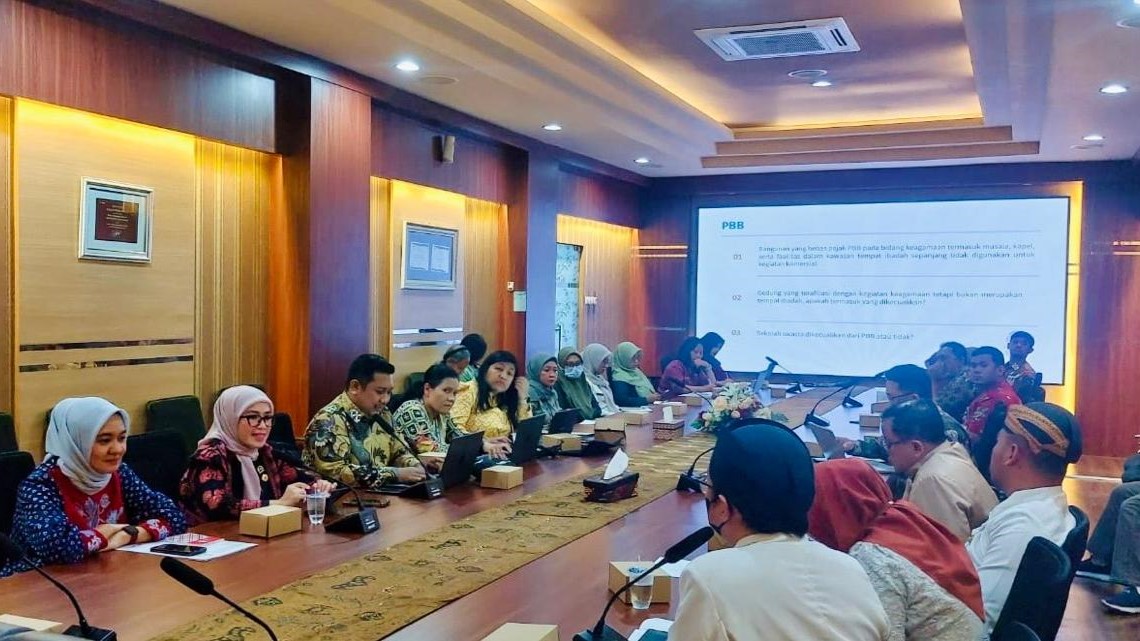
This was conveyed by Agita in the Working Meeting of Committee III of the DPD RI with the Ministry of Social Affairs (Kemensos) and the Central Statistics Agency (BPS), Monday (14/9), which discussed the inventory of monitoring materials for the people's school program; issues related to the National Socio-Economic Single Data (DTSEN) as the basis for determining deciles; as well as the 2027 Work Program of the Ministry of Social Affairs of the Republic of Indonesia and collaboration with Committee III of the DPD RI.
Agita said the issue of continuing education at the People's School was one of the concerns she encountered during a working visit to Bekasi Regency. She inquired about the continuation of their children's education and career options after graduation.
"When Elementary School students graduate, what happens next? Some want to work, while others want to go to college. But continuing their education certainly requires significant funding," said Agita.
According to her, several People's Schools have established partnerships or MoUs with universities and migrant class programs. However, this collaboration is considered uneven and needs to be expanded to ensure all students have access to educational options and the world of work after graduation.
"We don't want them to lose access to further education or suitable employment after graduating. Therefore, I believe collaboration with universities, the business world, industry, and job placement programs needs to be strengthened and expanded," he said.
Student Certainty When Family Deciles Change In addition to educational continuity, Agita also questioned the policy for students who had been accepted into Elementary Schools but in the following year experienced a change in decile status due to changes in their family's socio-economic conditions.
She explained that socioeconomic data can change due to various circumstances, such as changes in income, births, deaths, and changes in family status. The issue is whether students attending public schools must leave if their family's decile status changes to above Decile 2.
"If a child is enrolled in a public school because their family is in Decile 1 or 2, and then the following year their parents' economic situation improves and their decile changes, what will happen to that child? Will they have to drop out or will they still be able to complete their education?" asked Agita.
According to her, this certainty is important so that changes in the family's economic conditions do not disrupt the child's ongoing education process.
During the meeting, Social Affairs Minister Saifullah Yusuf explained that the continuation of students' education will depend on their individual circumstances. For elementary school students, the government will wait until they graduate and then direct them to continue their education at public schools. Meanwhile, junior high school students will complete their education until graduation, taking into account their circumstances.
The Minister of Social Affairs also emphasized that the main goal of the People's School is not only to improve the conditions of children, but also to encourage the improvement of the welfare of families as a whole.
"We'll wait until elementary school students graduate. After that, we'll recommend them attend public schools. For junior high school students, they can attend until graduation, depending on the objective circumstances. But again, the target, as shown in the chart, is parents and families. We envision that if, for example, 100,000 elementary school students graduate from high school, 100,000 families will also move up a grade. They can become more independent families. So, this aligns with the President's strategic program," Saifullah said.
Push for Middle and High School Quota Adjustments Agita also highlighted the issue of capacity at the People's School. Based on field findings, community interest in the People's School, particularly among families in Deciles 1 and 2, has begun to increase as the program becomes more widely known.
However, this situation hasn't been fully balanced by quota availability. Agita stated that some prospective junior high and high school students are on waiting lists or even denied admission because the quota is full.
On the other hand, there are still vacancies in the quota for elementary school level because some parents still object to sending their children to boarding school.
"Is it possible to consider reallocating the remaining elementary school quotas or adjusting them to meet the needs of junior high and high school quotas? Interest from families in Deciles 1 and 2 is quite high for junior high and high school," Agita said.
He believes that adjusting the quota composition could be an option to respond to community needs, while still considering the characteristics and needs of each level of education.
The KIP Kuliah Issue and Changes in Decile Data Agita also raised the issue of KIP Kuliah access, which relates to the accuracy and changes in decile data. She explained that KIP Kuliah recipients are currently targeted to people in certain deciles, while higher education costs require significant support.
He found cases of prospective students who, based on their economic conditions, should be included in the decile group that can access KIP Kuliah, but experienced obstacles when updating their data.
"Someone was previously listed in Decile 6, but then changed their data and proposed KIP/PIP for 2026/2027. However, after the data change, they were only downgraded to Decile 5. As a result, the child is still unable to apply for KIP Kuliah," Agita said.
According to him, this case needs attention because it is likely to occur not only in West Java, but also in other areas. Agita hopes the government can strengthen data verification and updating mechanisms so that people who really need assistance do not lose the opportunity to access higher education simply because of changes or inconsistencies in decile data.
"I'm sure this isn't just a case in West Java. Therefore, a mechanism is needed to assist communities when their actual conditions don't match the recorded data, so that children from families in need still have the opportunity to continue their education at university," he said.
Agita emphasized that accurate socioeconomic data must go hand in hand with social protection and education policies. Dynamic data is necessary to accurately reflect community conditions, but updating and verification mechanisms must also be responsive to real-world conditions.
"We must not let changes in data that should reflect the conditions of society actually become obstacles for children in accessing their right to education. The most important thing is to ensure that policies truly reach those in need," Agita concluded.
AGENDA KEGIATAN
DEWAN PERWAKILAN DAERAH REPUBLIK INDONESIA