Informasi Seputar Kegiatan di DPD RI
AGENDA KEGIATAN
DEWAN PERWAKILAN DAERAH REPUBLIK INDONESIA
05 May 2026 oleh admin
Bandung, dpd.go.id – Agita Nurfianti, a member of Committee III of the House of Regional Representatives of the Republic of Indonesia (DPD RI) for the West Java Electoral District, highlighted the implementation of Law Number 12 of 2022 concerning Criminal Acts of Sexual Violence (UU TPKS). She stated that the handling of sexual violence must be thorough, including legal proceedings against the perpetrators.
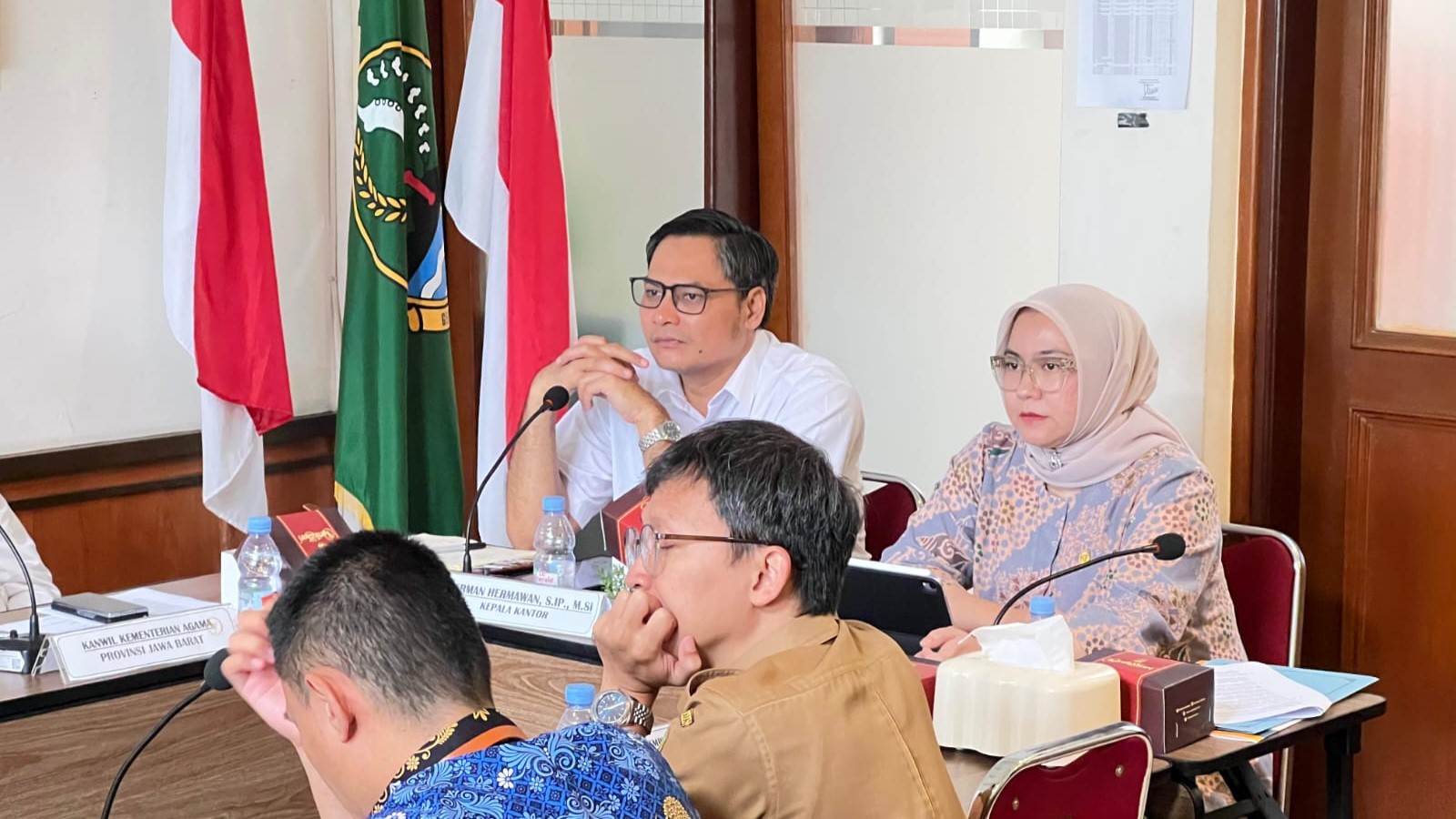
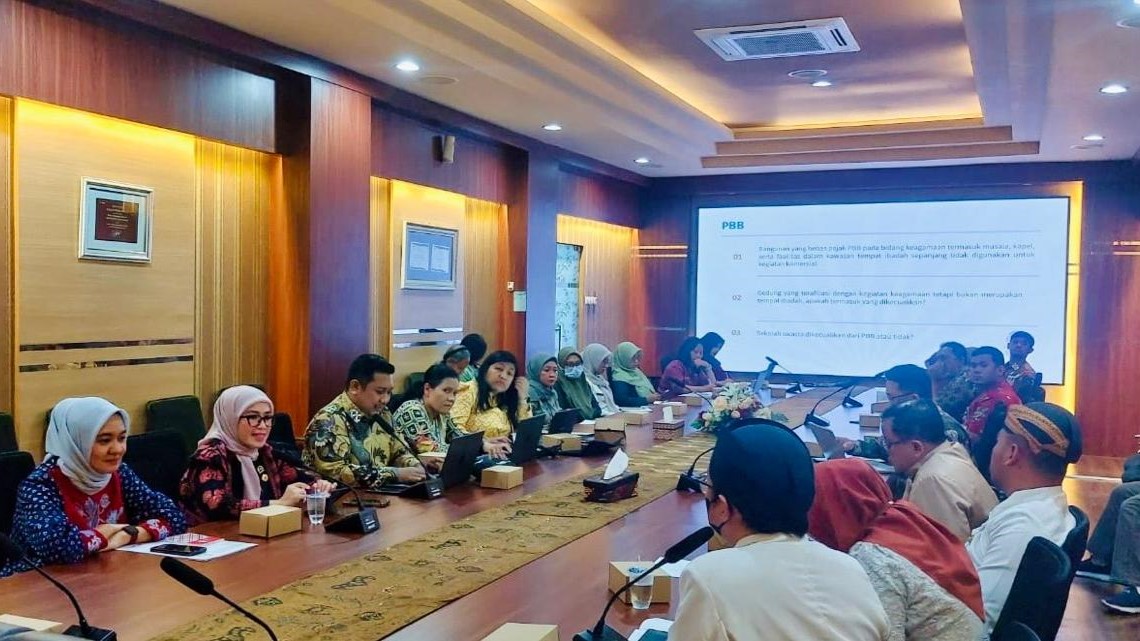
She conveyed this during the Supervision activity on the Implementation of the TPKS Law regarding violence and sexual harassment against women and children in educational and household environments, Monday (4/5), at the DPD RI Office for West Java Province, Bandung.
During the event, it was revealed that the West Java Provincial Government has established a Regional Technical Implementation Unit for the Protection of Women and Children (UPTD PPA) to provide services to victims. To date, 25 districts/cities have established UPTD PPA units, while two other regions are still in the process of establishing them. However, service implementation still faces several obstacles, such as limited human resources (psychologists, counselors, legal advisors), inadequate infrastructure, and budget constraints.
In terms of funding, regional budget allocations have been used for prevention, treatment, and victim recovery efforts. However, the increasing number of cases indicates that budgetary support still needs to be strengthened. Regional governments also continue to rely on support from the central government through the Non-Physical Special Allocation Fund (DAK NF) for women and children's protection services.
The TPKS Law has been disseminated to various parties, including local governments and communities, as well as the general public and students. However, given West Java's large population, the reach of this outreach is considered suboptimal and has not yet fully impacted community behavior change, despite an increase in reported cases.
Cross-sector coordination has also been underway, including through the establishment of a Women and Children Protection Coordination Team at the provincial level, as well as institutional strengthening within the police through the Directorate of Crimes Against Women and Children and Human Trafficking.
Data from 2025 shows that the number of cases of violence against children at the UPTD PPA of Bandung City based on the form of violence consists of 61 cases of physical violence, 143 cases of psychological violence, 148 cases of sexual violence, 4 cases of human trafficking, 7 cases of child custody, 1 case of child support, 12 cases of neglect, 2 cases of economic violence, and 3 cases of other violence.
The number of cases of violence against women in the UPTD PPA of Bandung City in 2025 based on the form of violence consisted of 84 cases of physical violence, 191 cases of psychological violence, 55 cases of sexual violence, 10 cases of child custody, 8 cases of child support, 35 cases of economic violence, 18 cases of neglect, and 7 cases of other forms of violence.
In the education sector, the Bandung City Education Office reports that 98% of educational institutions have established Violence Prevention and Handling Teams (TPPK). In 2023–2024, 14 cases of violence were recorded in educational settings, including three cases of sexual violence. Most of the cases occurred in the home, but they impacted the psychological well-being of students at school.
Furthermore, sexual violence prevention materials have been integrated into the curriculum, although digital literacy related to online violence still needs to be strengthened. In terms of resources, the number of guidance and counseling (BK) teachers is still less than ideal, and not all schools have enough counselors to meet the needs.
Responding to these findings, Agita Nurfianti emphasized that efforts to prevent and handle sexual violence have been carried out by various parties, but there are still challenges in their implementation in the field.
"Steps have been taken by schools, the Education Office, and the UPTD PPA. However, in practice, there are still obstacles in the field, both in the mentoring process and law enforcement," said Agita.
He emphasized that handling victims should not stop at the recovery aspect alone, but must also ensure that the legal process against the perpetrators is carried out fairly and thoroughly.
"Thank God, the victim has received adequate psychological support. However, this should not lead us to neglect the legal process for the perpetrator. The handling must be comprehensive, not only for the victim but also to ensure the perpetrator is prosecuted according to applicable law," he stressed.
Agita also highlighted the importance of clarity in the legal process, particularly in cases involving juvenile perpetrators, as well as the need to increase public awareness regarding the legal mechanisms in the TPKS Law.
Furthermore, he emphasized that sexual violence can occur in various environments, including those previously considered safe, such as homes and schools.
"We must recognize that even our immediate environment can become unsafe. Therefore, addressing this issue cannot be done in isolation. All parties must work together, across sectors, to create a safe environment for women and children," she said.
Agita hopes that through this oversight forum, various existing obstacles can be immediately followed up by all stakeholders, so that the implementation of the TPKS Law can run more effectively and provide maximum protection for victims.
AGENDA KEGIATAN
DEWAN PERWAKILAN DAERAH REPUBLIK INDONESIA