Informasi Seputar Kegiatan di DPD RI
AGENDA KEGIATAN
DEWAN PERWAKILAN DAERAH REPUBLIK INDONESIA
11 September 2026 oleh admin
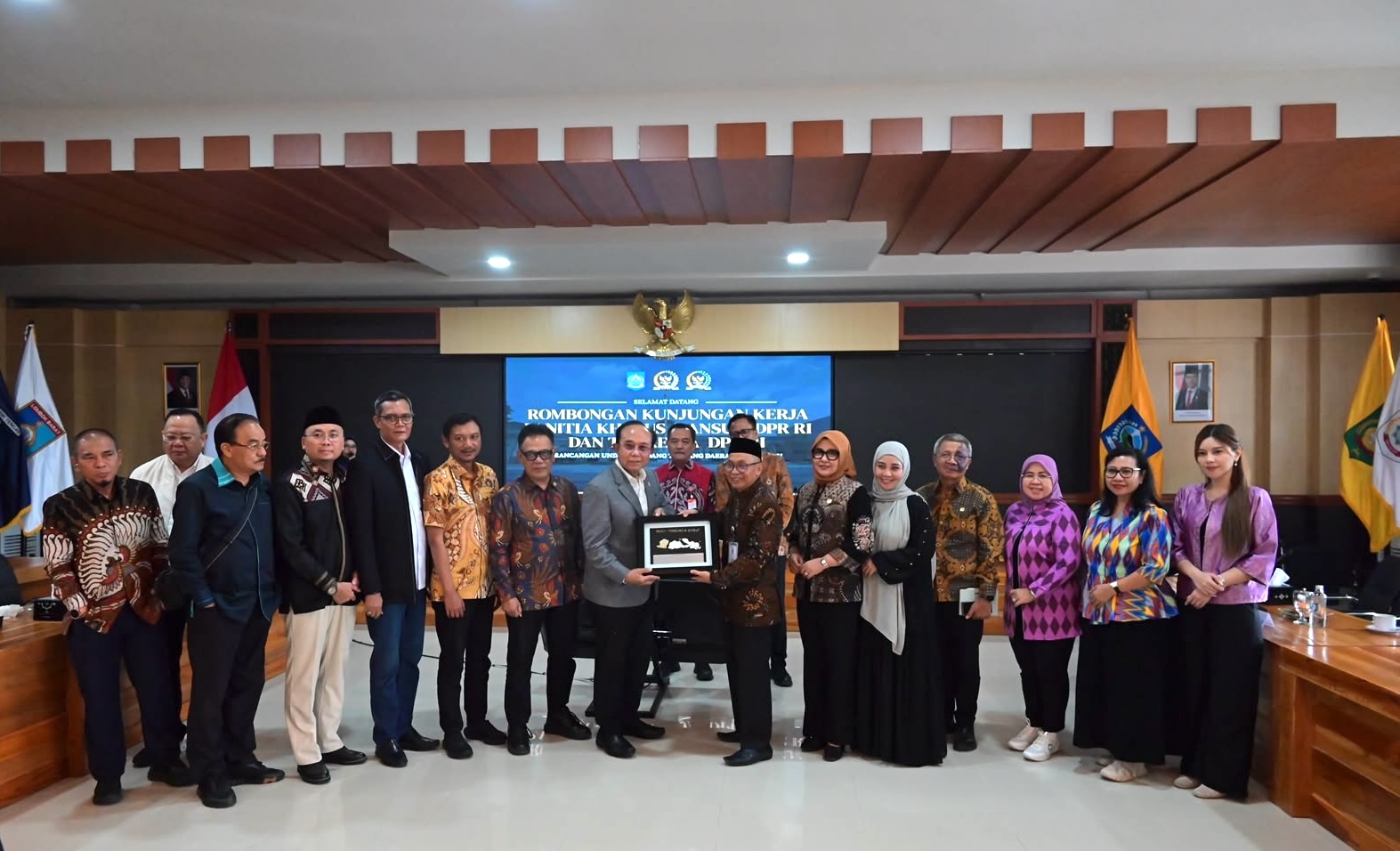
Mataram, dpd.go.id — Long distances between islands, limited connectivity, and unequal access to education and healthcare services remain critical challenges in archipelagic regions. These conditions have prompted the DPD RI Working Team on the Archipelagic Regions Bill to continue advocating for a shift in the national development paradigm so that it better reflects the characteristics of maritime territories and small islands.
Chair of the Working Team on the Archipelagic Regions Bill, Andi Sofyan, explained that the bill, initiated by the DPD RI, has now entered its third legislative period of advocacy. He noted that although Indonesia has affirmed its identity as an archipelagic state since the 1957 Djuanda Declaration, national development priorities and budget allocations have largely continued to follow a land-based approach.
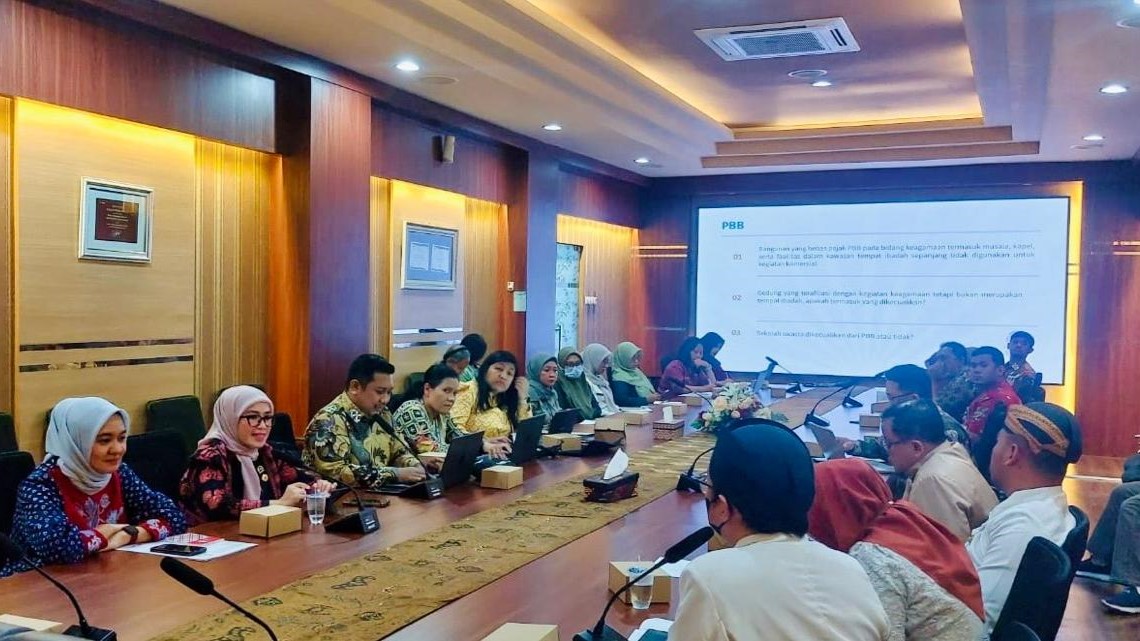
“Since the Djuanda Declaration, our development orientation has remained focused on land. The sea has often been viewed as a barrier separating islands, when it should instead be seen as an integrated entity that connects and unifies them. This perspective is what we need to reform through the Archipelagic Regions Bill,” Andi said at the NTB Governor’s Office in Mataram, West Nusa Tenggara (NTB), Friday (September 11, 2026).
According to Andi, applying the same development approach to mainland and archipelagic regions has contributed to disparities in the provision of basic services and infrastructure, including education, healthcare, and connectivity. Therefore, the bill is expected to provide a strong legal foundation for ensuring greater equity and affirmative policies for archipelagic regions.
The need for such a legal framework was also strongly voiced by Evi Apita, a member of the DPD RI Working Team on the Archipelagic Regions Bill representing NTB. She assured that the real challenges faced by NTB communities had been incorporated into the bill’s deliberations.
“We have submitted various inputs concerning the actual conditions faced by communities across NTB’s islands. We want this bill to be enacted as soon as possible so that archipelagic regions can receive equal rights, authority, and a fair share of development, without once again being constrained by policies that overlook our geographical characteristics,” Evi said.
The statement aligns with aspirations expressed by the regional executive authorities. A representative of the NTB Regional Development Planning Agency (Bappeda) emphasized that the province’s coastal economic potential has yet to be developed optimally due to limited authority and supporting infrastructure. The NTB Provincial Government also called for adjustments to various strategic national-scale policies, including the redesign of Sea Toll routes, so that inter-island logistics distribution becomes more efficient and generates a direct impact on the local economy.
The urgency of the bill extends beyond economic and governance issues and is particularly pressing in the provision of basic services. Prof. Siti Hilyana, an academic from the University of Mataram, highlighted the significant risks faced by communities on small islands due to inadequate facilities. She cited the absence of floating hospitals as one of the challenges that can threaten residents’ safety, particularly when emergency medical treatment is required.
“The University of Mataram has sought to respond to these challenges by developing the concept of an archipelagic university, including study programs in medicine and the archipelagic economy. However, we need this bill to be enacted soon. With proportional fiscal support guaranteed for archipelagic regions, universities are ready to develop practical concepts and implementation-oriented research to support their development,” Prof. Siti explained.
The various issues raised during the meeting demonstrate that the distinctive characteristics of archipelagic regions require a different approach from that applied to mainland areas. Therefore, the DPD RI Working Team on the Archipelagic Regions Bill will continue pushing for the bill’s deliberations to be completed promptly, so that development policies, fiscal support, and basic public services can be designed in accordance with the needs of communities in archipelagic regions.
AGENDA KEGIATAN
DEWAN PERWAKILAN DAERAH REPUBLIK INDONESIA