Informasi Seputar Kegiatan di DPD RI
AGENDA KEGIATAN
DEWAN PERWAKILAN DAERAH REPUBLIK INDONESIA
15 September 2026 oleh admin
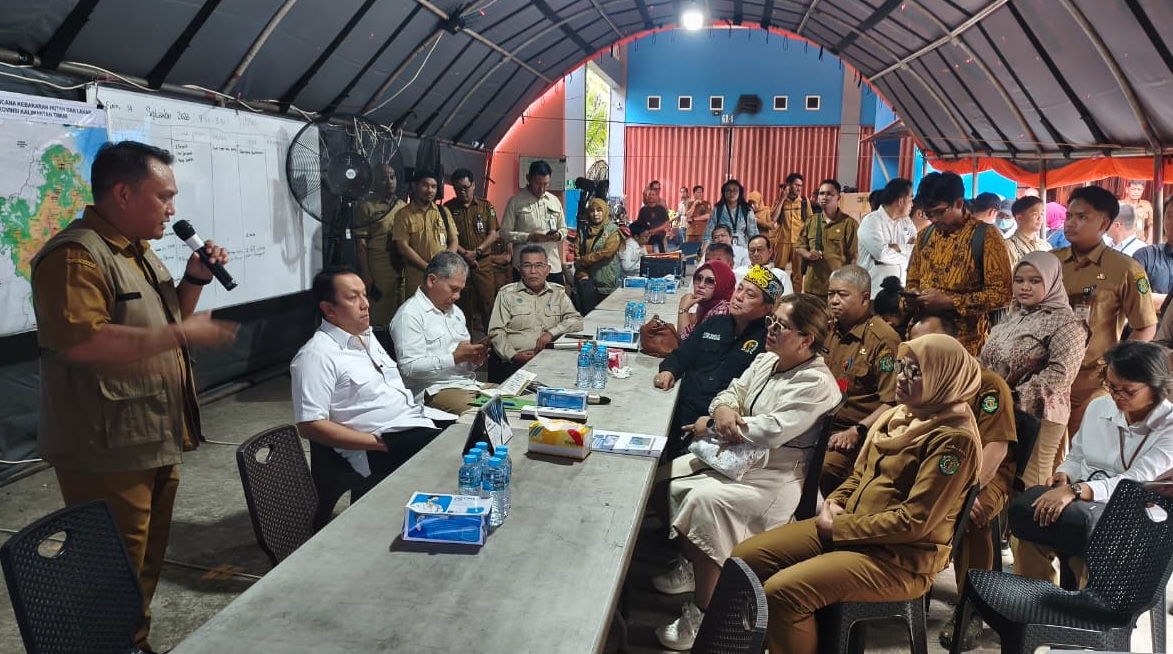
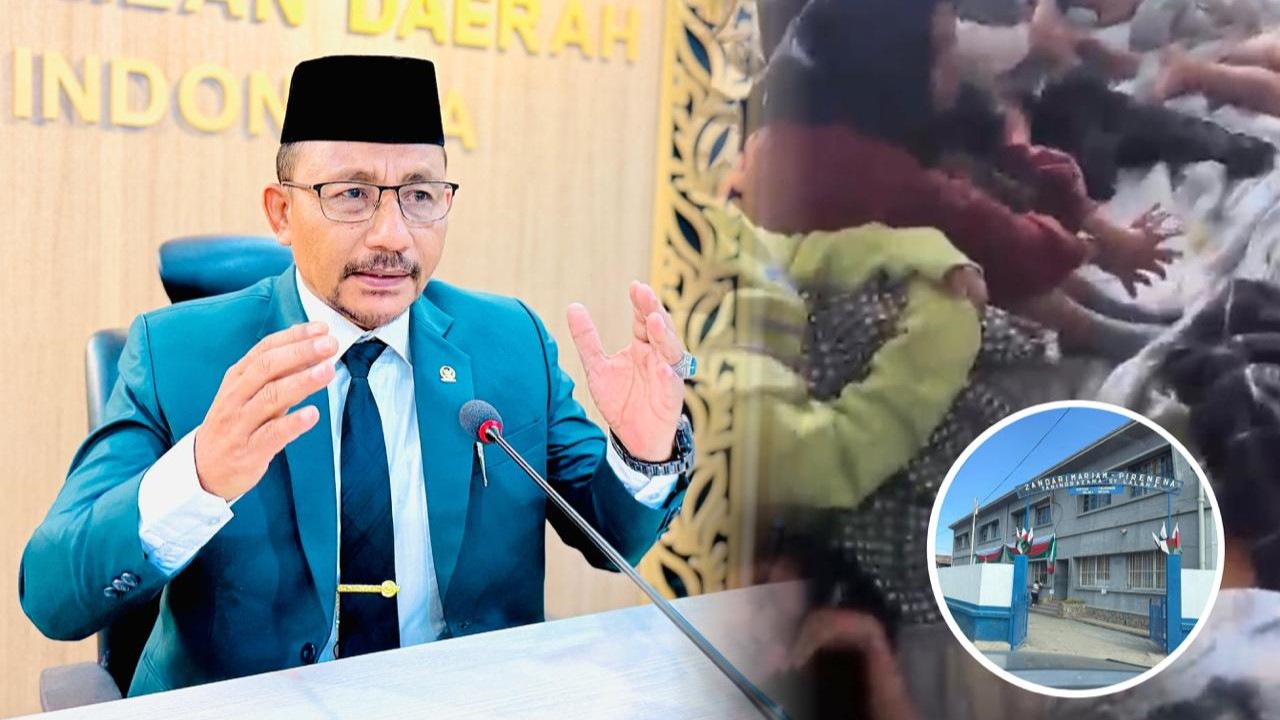
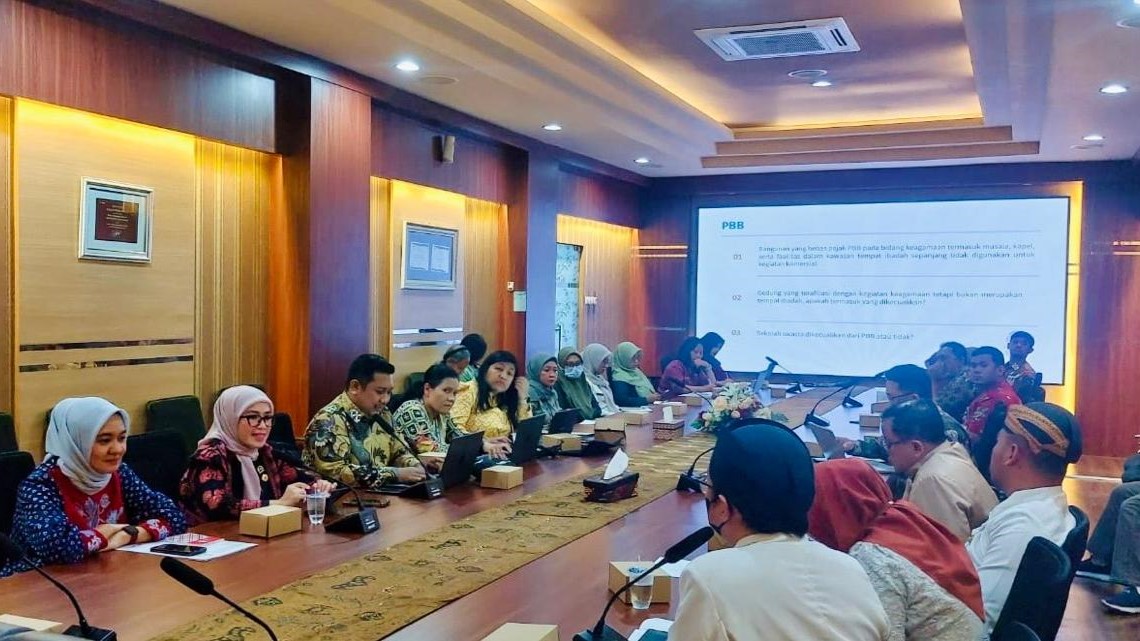
Banjarbaru, dpd.go.id – Committee II of the House of Regional Representatives of the Republic of Indonesia (DPD RI) held a discussion forum with the Provincial Government of South Kalimantan, regency and municipal governments across the province, and a number of stakeholders at the South Kalimantan Governor’s Office in Banjarbaru, South Kalimantan. The forum was held to coordinate with Committee II DPD RI’s strategic partners on efforts to address forest and land fires in South Kalimantan, as well as the implementation of Law No. 32 of 2009 on Environmental Protection and Management (Environmental Protection and Management Law), which serves as a legal foundation for protecting and managing the environment in Indonesia. The forum was chaired by South Kalimantan Senator and Commission II DPD RI member Habib Hamid Abdullah and attended by members of Committee II DPD RI.
In his remarks, Habib Hamid Abdullah, a senator representing South Kalimantan, said the purpose of the activity was to objectively assess how forest and land fires are being addressed in Kalimantan, particularly in South Kalimantan, both in terms of emergency response and future mitigation efforts. “Forest and land fire management needs to be treated as a cross-sectoral agenda that is not solely focused on firefighting, but also emphasizes prevention and risk reduction,” he said.
Assistant for Economic and Development Affairs at the Regional Secretariat of South Kalimantan (Setdaprov Kalsel) Ariandi Noor said that forest management tends to involve multiple sectors. “For South Kalimantan, forestry management concerns four aspects simultaneously: forest conservation, benefits for the community, the continuity of development, and environmental carrying capacity. These four aspects must move forward together to achieve sustainable development,” he explained.
Regarding forest and land fires, Ariandi said several factors contribute to their occurrence, including water availability, land clearing, and human behavior. “Despite the efforts being made, regional capacity remains limited. We need policy support, facilities and infrastructure, and technology to address forest and land fires at the regional level,” he concluded.
Echoing Ariandi’s remarks, Head of Preparedness Subdivision at the South Kalimantan Regional Disaster Management Agency (BPBD), Ariansyah, explained that the agency continues to control forest and land fires. “The South Kalimantan Provincial Government has declared a forest and land fire emergency status from June 6, 2026, to October 31, 2026. Forest and land fire alert status has also been established in nine regencies and municipalities in South Kalimantan, including Banjarbaru, Banjar, Tapin, and Barito Kuala,” he explained.
Ariansyah emphasized that managing forest and land fires in Kalimantan, particularly in South Kalimantan, requires collaboration among multiple stakeholders. “If the South Kalimantan Provincial Government relies solely on assistance from the central government, emergency response efforts for forest and land fires cannot be carried out effectively,” said the BPBD South Kalimantan official.
On weather conditions, a representative of the Meteorology, Climatology, and Geophysical Agency (BMKG) said the agency continuously coordinates with the Syamsudin Noor Weather Station regarding weather conditions in South Kalimantan. “Over the next week, there are no significant cloud formations expected that could produce rainfall,” the representative said.
During the discussion session, Papua Senator Henock Puraro led the proceedings. Henock highlighted that Indonesia is among the countries in the world with extensive forest areas. “There are three countries in the world that are considered the lungs of the planet: Brazil, the Democratic Republic of the Congo, and Indonesia. In Indonesia, forest areas stretch from Aceh to the islands of Kalimantan and Papua,” Henock explained.
In addressing forest and land fires, Henock said spatial planning is an important element in protecting the environment. “Spatial planning and detailed spatial planning serve as the legal framework for environmental management,” he said.
Several representatives of local governments in South Kalimantan said that Detailed Spatial Plans (RDTR) have either been completed or are currently being prepared. “In South Kalimantan, we have 22 RDTRs, four of which have yet to be integrated into the OSS system. Without integration, business licensing processes cannot yet be carried out online,” explained a representative of the South Kalimantan Provincial Public Works Office.
“Tabalong Regency has around 11 RDTRs. They are still being prepared and reviewed at the subdistrict level. We are currently in the process of finalizing the RDTRs,” said a representative of the Tabalong Regency Government.
“The RDTR is currently in the process of being finalized,” said a representative of the Tanah Laut Regency Government.
A representative of the South Kalimantan Provincial Government said the provincial administration had prepared a long-term plan to address forest and land fires. One of the measures is the development of a canal system. “We have established a canal system to help control areas that are vulnerable to fires. There is also a long-term plan to control fire-prone areas, particularly peatlands,” the representative explained.
To support efforts to rewet fire-prone areas, the South Kalimantan Provincial Government is considering the use of abandoned mining pits as water reservoirs. “There are approximately 53,000 hectares of former mining pits in South Kalimantan that could be used as water reservoirs, serving as water storage to help rewet peatlands across the province. We have proposed to the Minister of Environment that these former mining areas be utilized as water reservoirs,” the representative said.
Raden, a representative of the South Kalimantan branch of the Indonesian Forum for the Environment (WALHI), said more than 50 percent of South Kalimantan’s land area is already covered by corporate permits. “These permits exceed the environmental carrying capacity and capacity of South Kalimantan. This is something that the provincial government needs to examine more thoroughly,” he said.
Raden also highlighted the presence of oil palm companies using high-capacity water pumps, which he said had contributed to water shortages in other areas. “We conducted ground checks and found that these oil palm companies were pumping water from rivers onto their land without considering the impact on surrounding areas. There is one company that operates more than four pumps to meet its water needs,” he added. “The government should impose a moratorium on permits for these companies,” Raden concluded.
Several members of Committee II DPD RI also shared their views on forest and land fire management. “Regarding the forest and land fires in South Kalimantan, have any individuals from companies or members of the public involved in setting fires been named suspects?” asked Central Kalimantan Senator Habib Said Abdurrahman.
A representative of the South Kalimantan Regional Police (Polda Kalsel) responded that suspects had already been identified. “Five suspects have been named in connection with forest and land fires. The involvement of corporate individuals as suspects is still being investigated by a special unit,” the representative said.
South Sumatra Senator Eva Susanti raised the issue of foreign nationals who were serving as volunteers to assist with forest and land fire management in South Kalimantan and happened to be staying at the same accommodation during the activity. “How was the South Kalimantan Provincial Government able to obtain foreign assistance to address forest and land fires in South Kalimantan? They [the foreign nationals] have been in South Kalimantan for weeks, since July,” Eva asked.
In response, Ariandi explained that the foreign nationals had brought a helicopter and were also serving as its crew. “They coordinate with the National Disaster Management Agency (BNPB). In South Kalimantan, there are BNPB personnel specifically assigned to coordinate with the South Kalimantan BPBD. We frequently communicate with BNPB to meet the needs of the BPBD in South Kalimantan,” Ariandi explained.
The working visit to Banjarbaru, South Kalimantan, reflects DPD RI’s commitment to overseeing efforts to ensure sustainable environmental protection and management in Indonesia, particularly in addressing forest and land fires that frequently occur each year. These efforts are expected to contribute positively to the quality of life and well-being of communities, enabling them to enjoy a good and healthy environment, as mandated by Article 28H of the 1945 Constitution of the Republic of Indonesia.
AGENDA KEGIATAN
DEWAN PERWAKILAN DAERAH REPUBLIK INDONESIA