Informasi Seputar Kegiatan di DPD RI
AGENDA KEGIATAN
DEWAN PERWAKILAN DAERAH REPUBLIK INDONESIA
03 October 2026 oleh admin
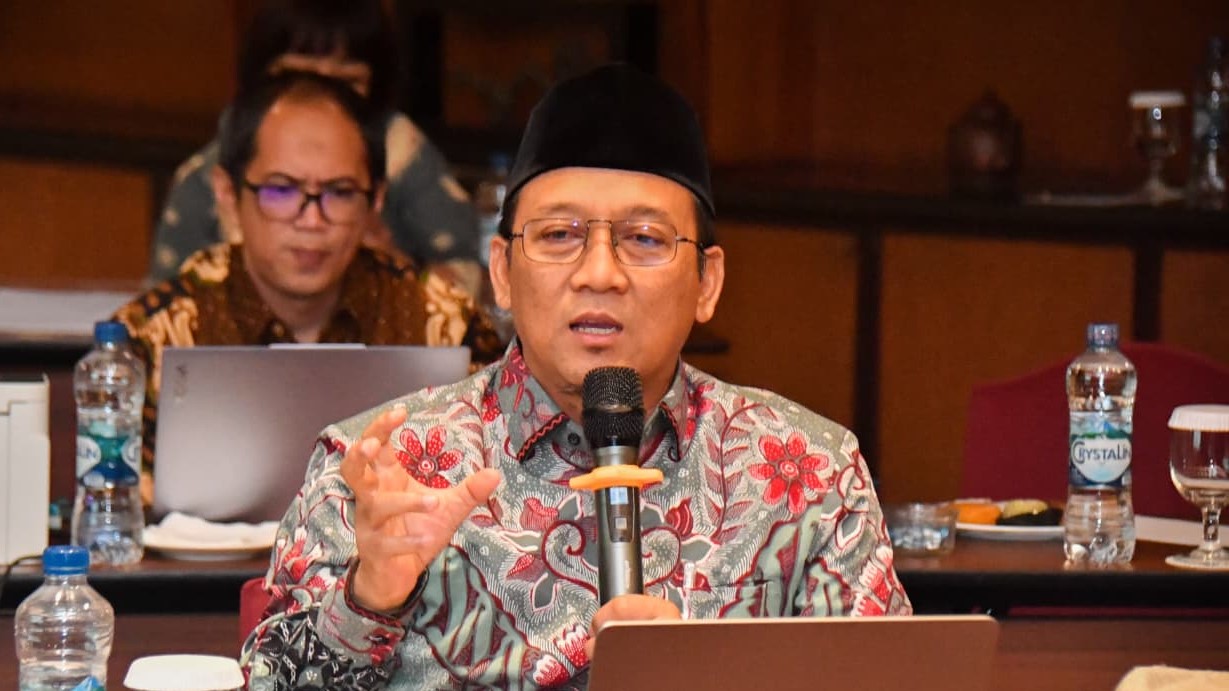
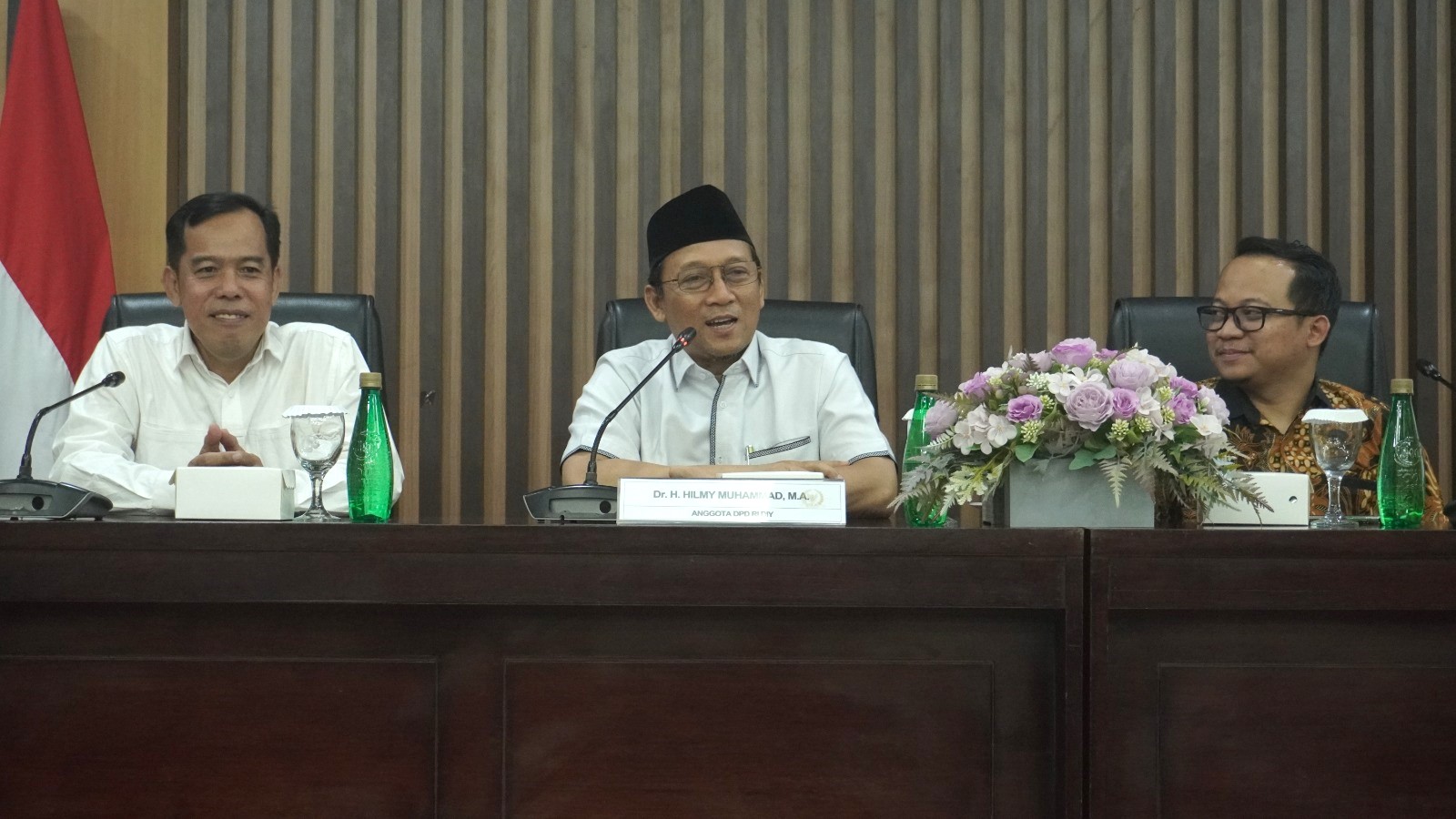
Yogyakarta, dpd.go.id - The presence of new formations in the executive circle of President Prabowo Subianto's government, which is considered increasingly fat, has drawn critical attention. Member of the House of Regional Representative of the Republic of Indonesia (DPD RI) from the Special Region of Yogyakarta (DIY), Dr. H. Hilmy Muhammad, M.A. questioned the urgency of adding layered positions, starting from deputy coordinating ministers to the exploding number of the Presidential Advisory Council (Wantimpres), which is considered contradictory to the initial spirit of budget and bureaucratic efficiency.
In principle, the man familiarly known as Gus Hilmy has no issue with the President's prerogative to appoint state officials. However, he emphasized that every public appointment policy must be measured by its level of urgency and its tangible contribution to improving government performance.
"In principle, we have no issue with the President's prerogative to appoint state officials. However, the question is, are all these positions really necessary to improve government performance? The public has the right to be critical and demand accountability," said Gus Hilmy in a written statement on Saturday (March 20, 2026).
Furthermore, the member of Committee II of DPD RI specifically highlighted the structural irregularities surrounding the position of deputy coordinating minister. He argued that the position of deputy minister at the coordination level is considered unusual and risks lengthening the bureaucratic chain that should be reduced.
"The position of coordinating minister is primarily a coordinating one, so why does it need a deputy? Having a deputy at the coordination level alone risks prolonging the bureaucracy that should be reduced," Gus Hilmy asserted.
Similar criticism has also been directed at the Presidential Advisory Council (Wantimpres), which is considered too large amidst the current structure of ministries and deputy ministers. The Deputy Chair of the Yogyakarta branch of the Indonesian Ulema Council (MUI)'s Brotherhood Commission argued that if the country occasionally requires specific strategic input, the President need not institutionalize it into a permanent, voluminous position.
"There are so many Watimpres (Presidential Advisory Councils), are they really necessary? Moreover, many ministries have deputy ministers. What's the point?! If it were an impromptu decision, the President could have asked several experts for their advice and analysis. Why appoint so many of them?" criticized Gus Hilmy.
According to one of the caretakers of the Krapyak Islamic Boarding School in Yogyakarta, the condition of the addition and expansion of the bureaucratic structure has raised big questions among the public regarding the government's initial commitment to budget efficiency that was previously being touted.
"This all goes against the principles of efficiency championed by the President at the beginning of his administration. What's going on?" added Gus Hilmy.
Furthermore, Gus Hilmy reminded that the measure of success of any government appointment policy is not merely a formality or the distribution of positions. It includes a tangible impact on significantly improving public welfare.
If this bureaucratic expansion is not directly proportional to improvements in public services, reductions in poverty rates, and economic stability for the lower classes, then this step loses its substantive legitimacy.
"What we hope for from these appointments is a significant increase in the people's prosperity and well-being. Otherwise, what's the point? The people need to monitor and demand the President's commitment to transparency and the output of these appointments, which will have a significant impact on society," Gus Hilmy concluded.
AGENDA KEGIATAN
DEWAN PERWAKILAN DAERAH REPUBLIK INDONESIA