Informasi Seputar Kegiatan di DPD RI
AGENDA KEGIATAN
DEWAN PERWAKILAN DAERAH REPUBLIK INDONESIA
10 September 2026 oleh admin
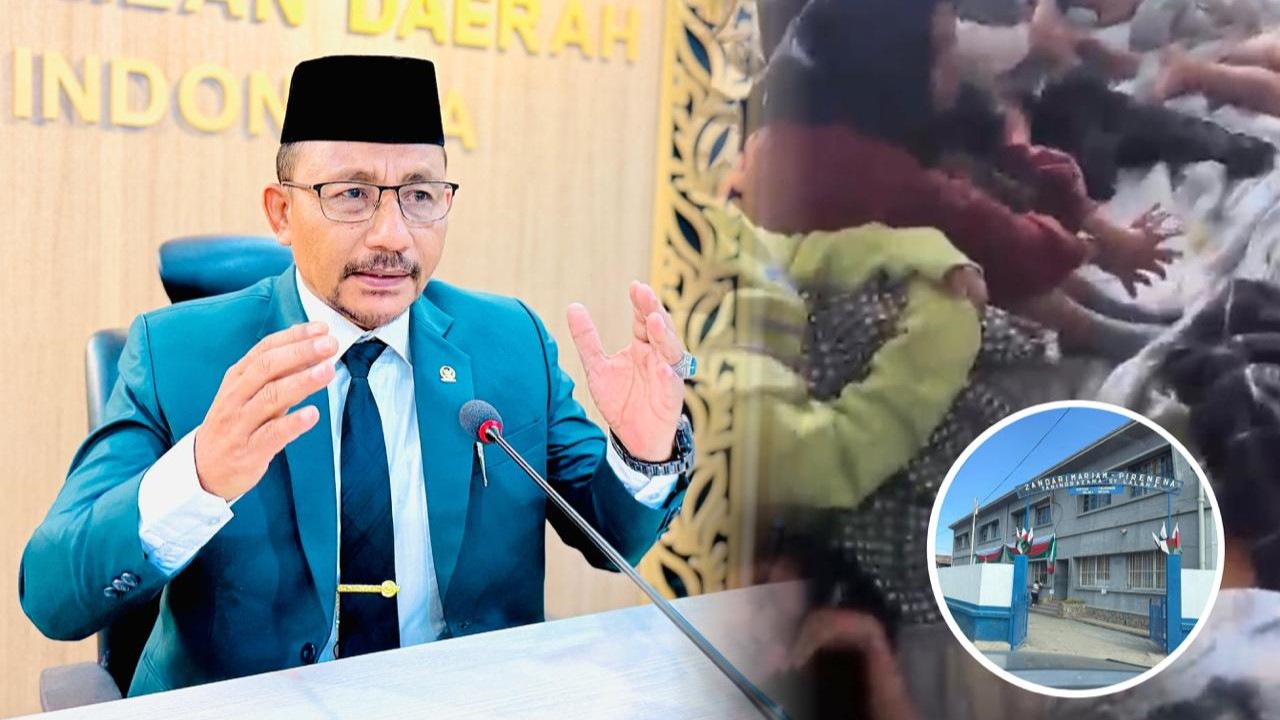
Jakarta, dpd.go.id – The DPD RI is fighting for the Archipelagic Regions Draft Bill (RUU Daerah Kepulauan) as a foundational framework to deliver education and healthcare services tailored to the unique geographical characteristics of archipelagic areas. A uniform development approach is no longer considered adequate for communities facing inter-island distances, transport limitations, and high access costs for basic services.
Chairperson of the Archipelagic Regions Bill Working Team (Timja RUU Daerah Kepulauan) of the DPD RI, Andi Sofyan Hasdam, stated that the draft bill represents an effort to reinforce affirmative policies so that island communities gain equal access to education and healthcare. According to him, archipelagic regions frequently suffer from challenges in these sectors, such as a lack of educational facilities, teaching staff, healthcare facilities, and medical personnel who can be accessed as easily as those on the mainland.
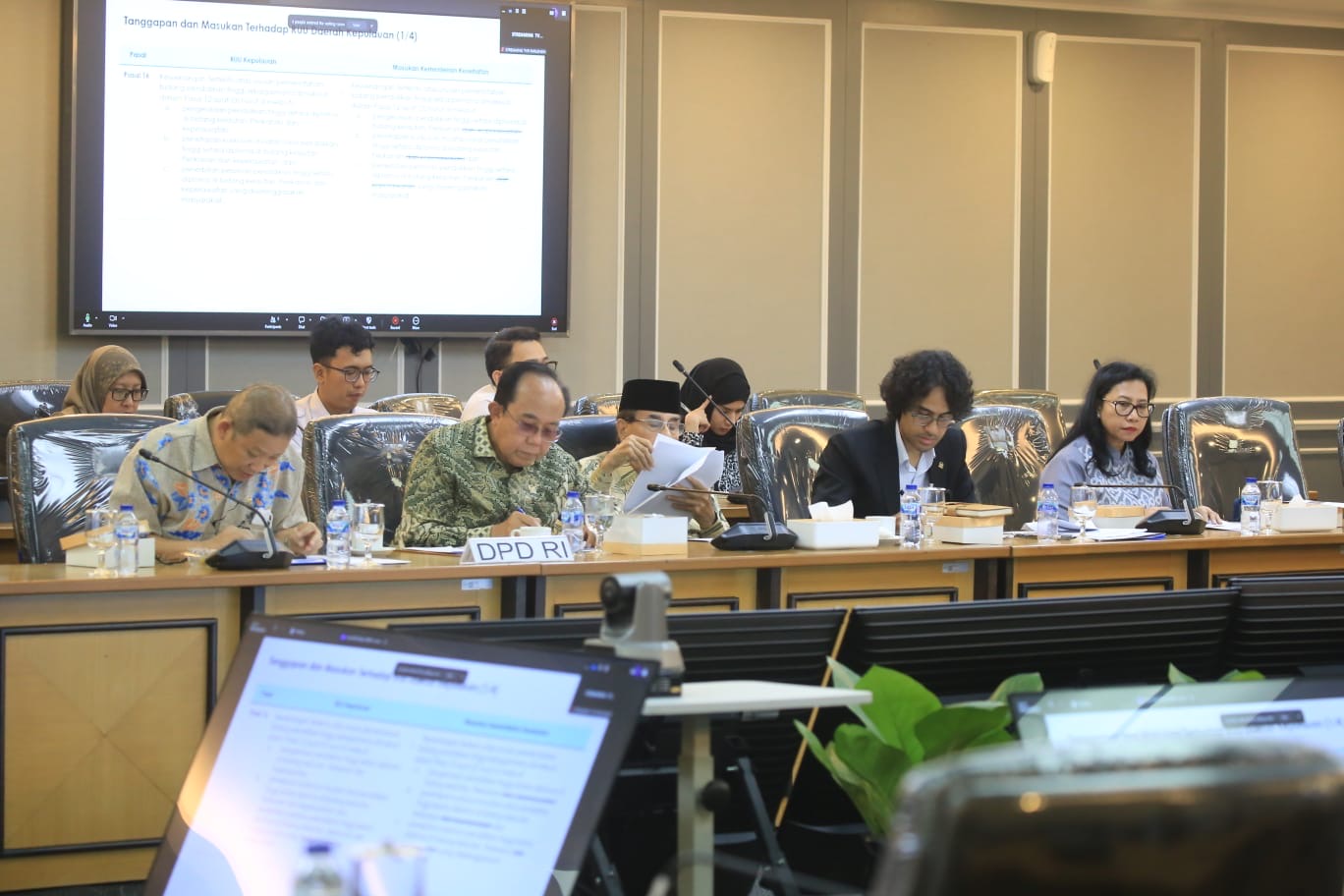
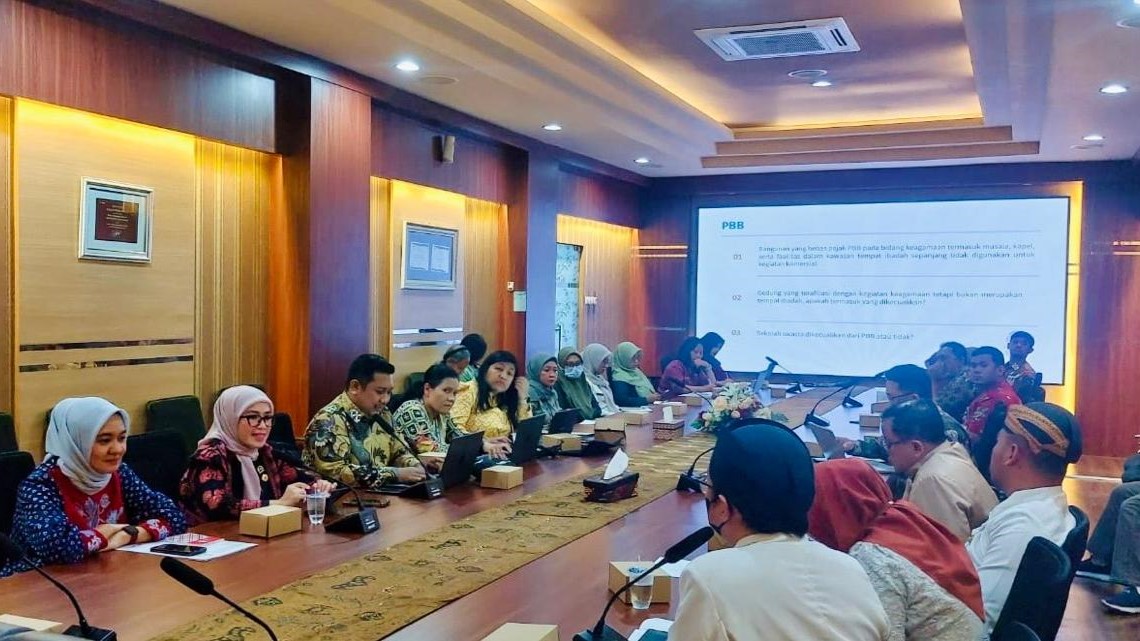
“In provincial capitals, we can easily establish healthcare education facilities and medical faculties, but in archipelagic regions, our focus should be on building diploma programs. We hope that the nurses we train come from those local areas, ensuring they are content to remain and serve in their own communities,” Andi said during a Hearing (Rapat Dengar Pendapat) held by the House Special Committee (Pansus) on Archipelagic Regions together with the DPD RI Working Team, the Ministry of Primary and Secondary Education, the Ministry of Higher Education, Science, and Technology, and the Ministry of Health at the DPR RI on Wednesday (09/09/2026).
According to Andi, this model is crucial to solving the shortage of healthcare personnel on outlying islands. Training local residents as health workers creates human resources who understand the area's characteristics while maintaining strong social ties to their communities.
Meanwhile, Vice Chairperson of the Archipelagic Regions Bill Working Team of the DPD RI, R. Graal Taliawo, noted that education and healthcare issues in archipelagic regions highlight an ongoing disconnect between national regulations and the actual needs of communities on the ground.
He cited residents in Taliabu Regency and Moti Island, North Maluku, who face severe obstacles accessing healthcare due to limited inter-island transportation. In education, children on several islands must cross the sea or leave home altogether just to pursue further schooling.
According to Graal, these issues stem from a development paradigm that remains overly land-centric. Public services in archipelagic areas must be designed around geographical reality rather than simply copying mainland service standards and models to island contexts.
“For years, whenever we talk about hospitals, we automatically think of physical buildings. We fail to imagine that a hospital could be a ship traveling between islands, or a mobile floating clinic. Similarly, when talking about education, we always picture a library as a brick-and-mortar building, rather than a floating library traveling from village to village,” he noted.
Graal emphasized that uniform approaches must be re-evaluated because archipelagic regions possess distinct social, cultural, and geographical conditions. Currently, there are around 10 archipelagic provinces and more than 80 archipelagic regencies/cities, encompassing approximately 28.5 million residents, that require development strategies aligned with their regional identity.
“You cannot treat people with different needs in the exact same way, that only leads to injustice. We have lived under this uniform approach for decades,” he added. Echoing these views, Senator from the Riau Islands Ismeth Abdullah added that inter-island distance remains one of the greatest hurdles in delivering healthcare. Several regency hospitals in island areas still repeatedly refer patients to provincial capitals due to limited facilities and medical personnel.
He believes broader authority should be granted to regional governments so that technical needs, such as medical facilities, equipment, oxygen supplies, scholarships, and dormitories, can be resolved faster without forcing local communities to constantly navigate central government bureaucracy.
AGENDA KEGIATAN
DEWAN PERWAKILAN DAERAH REPUBLIK INDONESIA