Informasi Seputar Kegiatan di DPD RI
AGENDA KEGIATAN
DEWAN PERWAKILAN DAERAH REPUBLIK INDONESIA
07 May 2026 oleh admin
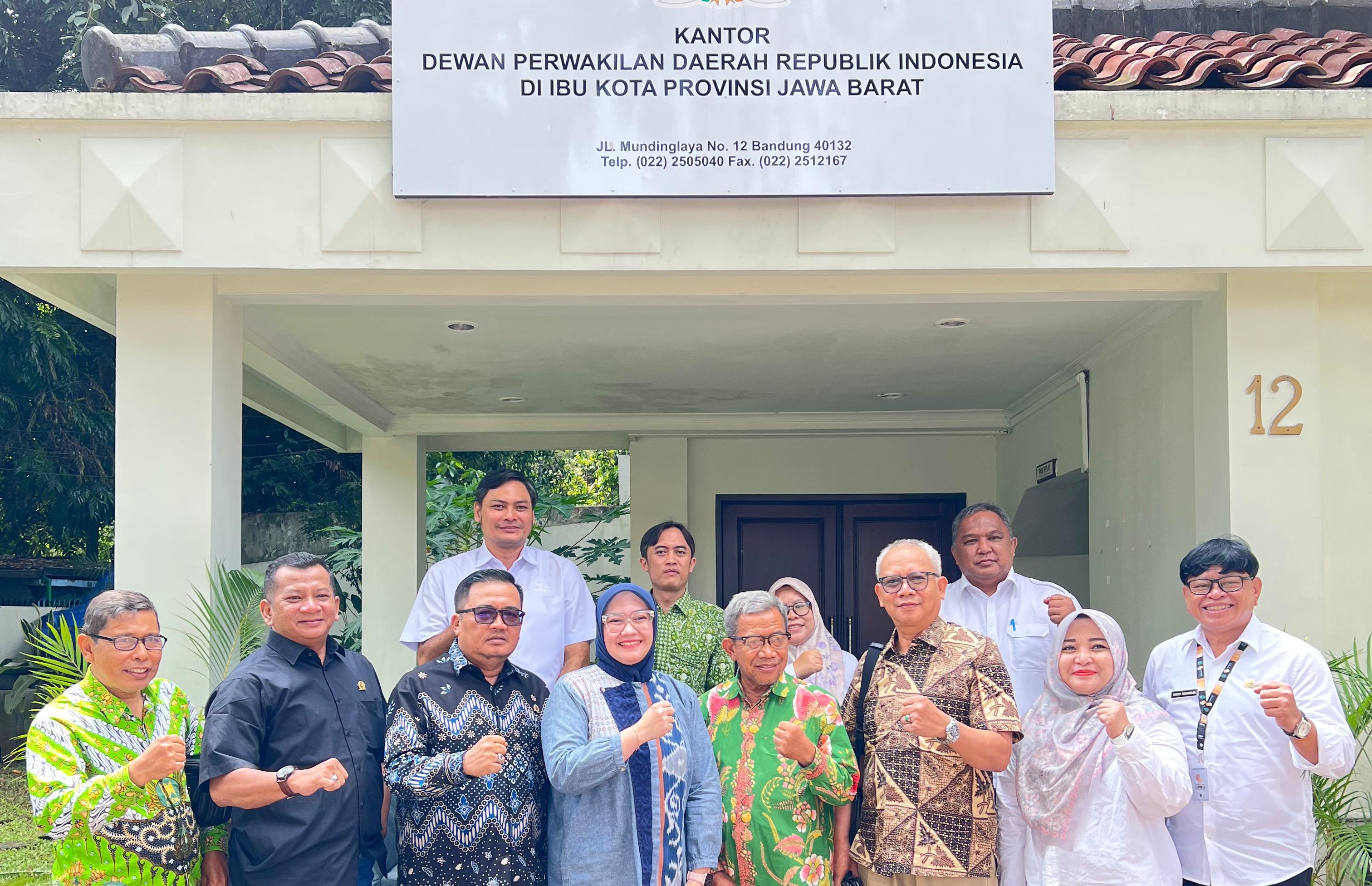
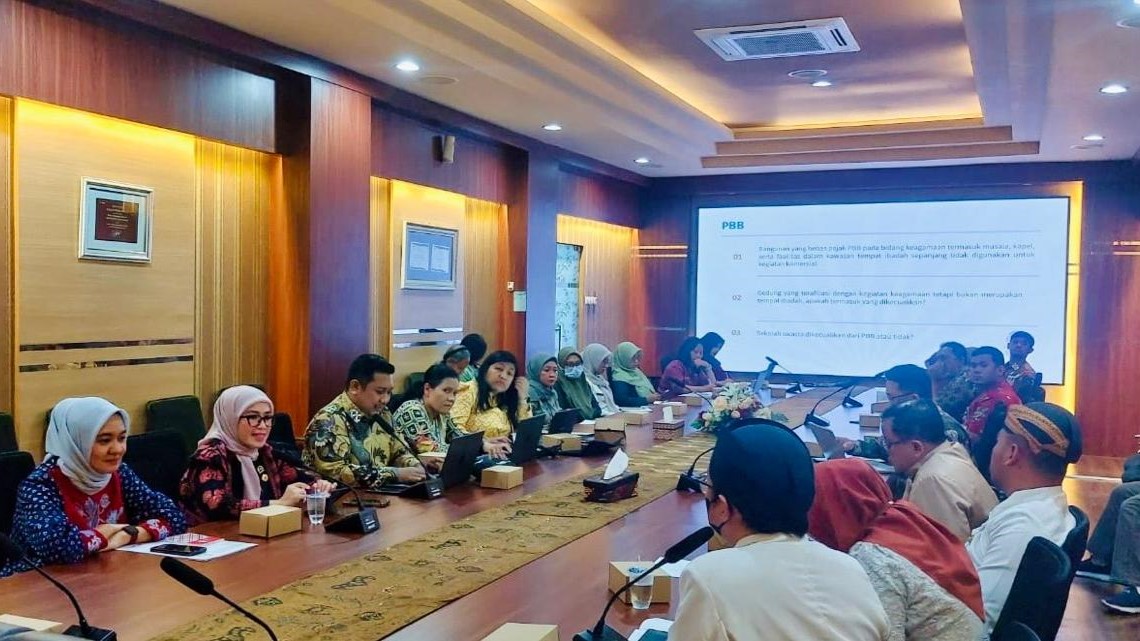
Bandung, dpd.go.id – Member of Committee III of the House of Regional Representatives of the Republic of Indonesia (DPD RI) for the Electoral District of West Java (Jabar) and Vice Chairperson III of the Regional Legislation Committee (BULD) of the DPD RI, Agita Nurfianti, emphasized the importance of the involvement of DPD RI in the process of drafting Regional Regulations (Ranperda), especially those related to the implementation of education. This was conveyed during the BULD DPD RI recess activity in the context of Monitoring and Evaluation of Draft Regional Regulations and Regional Regulations (Perda) in the education sector, Wednesday (6/5), in Bandung.
At the forum, Agita appreciated the high level of enthusiasm shown by stakeholders in discussing education issues. She noted that the education sector is always a compelling topic, yet it also faces recurring issues every year.
"Discussions about education are always interesting, but they also show that many issues remain unresolved. For example, Student Selection Test or the SPMB is held every year, yet the same issues persist," said Agita.
Agita also highlighted the policy prohibiting the implementation of the double shift system, two learning sessions, one in the morning and one in the afternoon, which is planned to come into effect in 2026. According to him, this policy needs to be reviewed carefully because its implementation requires adequate infrastructure and resource readiness.
Under the 2026 regulations, which also come into effect this year, schools are not permitted to operate two-shift learning sessions. However, many schools are not yet ready to implement this this year due to ongoing constraints on facilities and infrastructure, such as classroom space.
Furthermore, the implementation of the Academic Ability Test or TKA is also a concern. Agita revealed technical challenges in the field, particularly related to limited supporting equipment.
"Ideally, the TKA implementation could be done quickly. However, in practice, some schools have over 200 students but only have 17 devices. As a result, implementation must be staggered for up to a week, and devices may even need to be borrowed from other schools. This certainly adds to the technical burden on teachers," he explained.
In an effort to get a more comprehensive picture, Agita stated that she did not only rely on discussion forums, but also went directly to schools and actively engaged in dialogue with education offices in various regions.
He also highlighted a number of educational infrastructure issues, one of which was the construction of a junior high school which was halted due to road access being blocked by a housing area, even though the land and initial building were already available.
"This is truly regrettable. The land is already there, and construction has even begun, but access is blocked. Issues like this require attention from all levels of government, both city and provincial," he stressed.
Meanwhile, Agita emphasized the importance of addressing the welfare and protection of the teaching profession. She expressed concerns among teachers regarding the limitations on disciplining students, which could potentially lead to legal action.
"Teachers' welfare must be a priority, including their protection in carrying out their duties. Currently, there are concerns about teachers' actions due to unclear boundaries and the potential for criminalization. We need to regulate this properly," he said.
A number of other issues were also raised at the meeting, such as institutional complexity and policy inconsistencies; challenges of access, quality, and inequality, such as regional and transportation constraints; the condition of private schools which play a role in accommodating students unable to attend public schools, but lack support from regional policies); the Maung School, Garuda School, and People's School initiatives; PPDB quotas and affirmative action data; and learning quality, class sizes, and bullying.
Closing her statement, Agita said that all input obtained in this activity would be important material in the DPD RI working meeting with related ministries in Senayan.
"This input is very valuable and I will bring it to the central level for further discussion. I hope the resulting policies truly address needs on the ground," he concluded.
AGENDA KEGIATAN
DEWAN PERWAKILAN DAERAH REPUBLIK INDONESIA