Informasi Seputar Kegiatan di DPD RI
AGENDA KEGIATAN
DEWAN PERWAKILAN DAERAH REPUBLIK INDONESIA
14 September 2026 oleh admin
Jakarta — DPD RI Committee III has urged the government to ensure that updates to the National Social and Economic Single Data System (DTSEN) do not result in vulnerable citizens losing access to social assistance and security programs. While data accuracy is essential to ensure government programs hit the target, changes in decile rankings must genuinely reflect the actual socio-economic conditions on the ground.
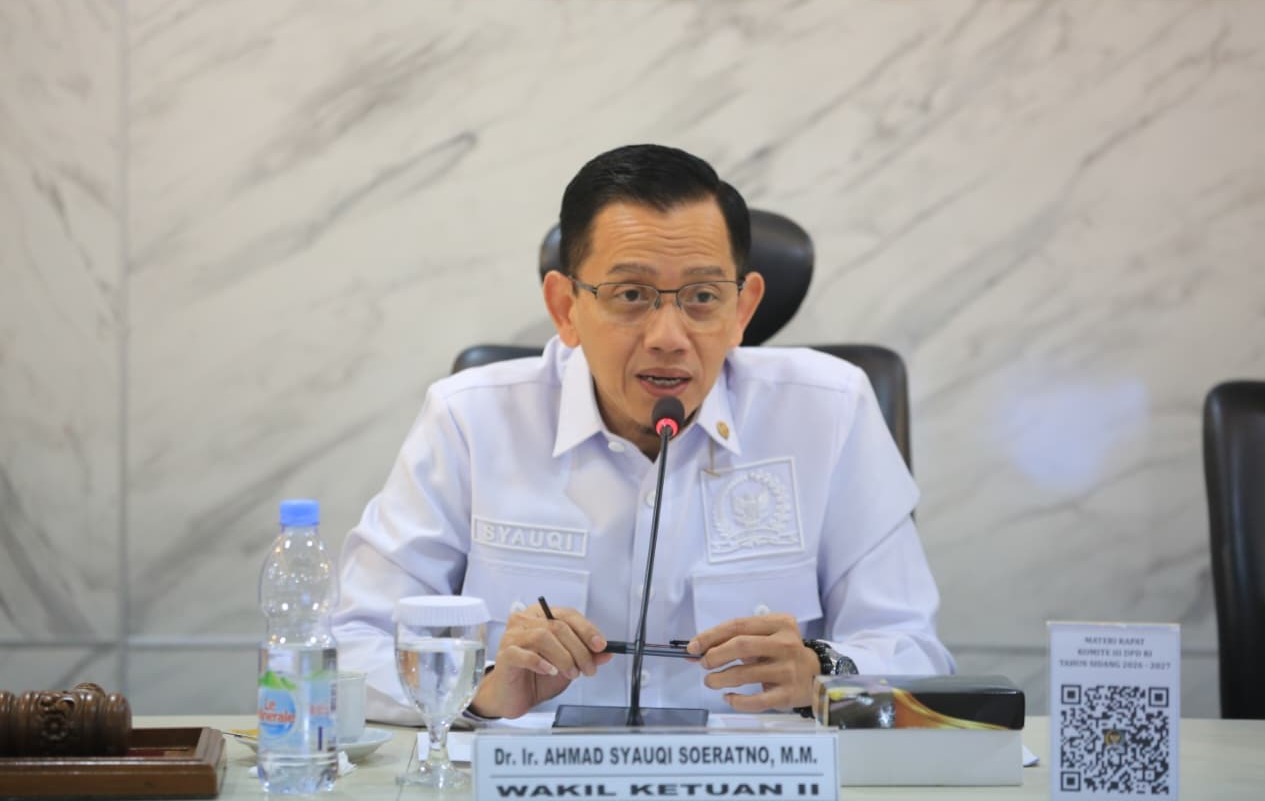
Vice Chairperson of DPD RI Committee III Ahmad Syauqi Soeratno stated that public controversies surrounding DTSEN should not be viewed as opposition to a unified data system. On the contrary, DTSEN is necessary to integrate various social protection programs. The core issue lies in ensuring that updating mechanisms and transition periods do not create injustices for citizens who remain in vulnerable conditions.
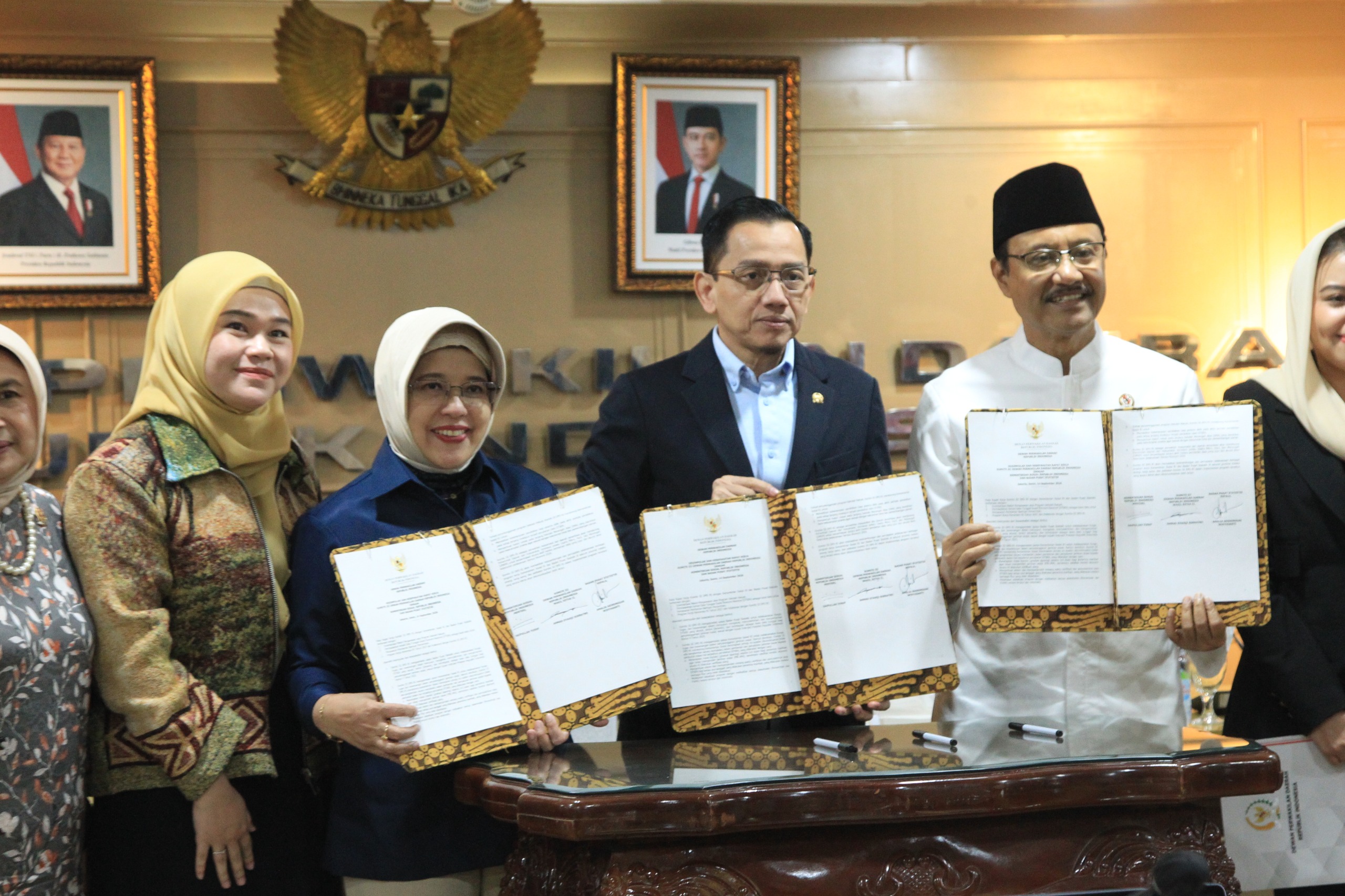
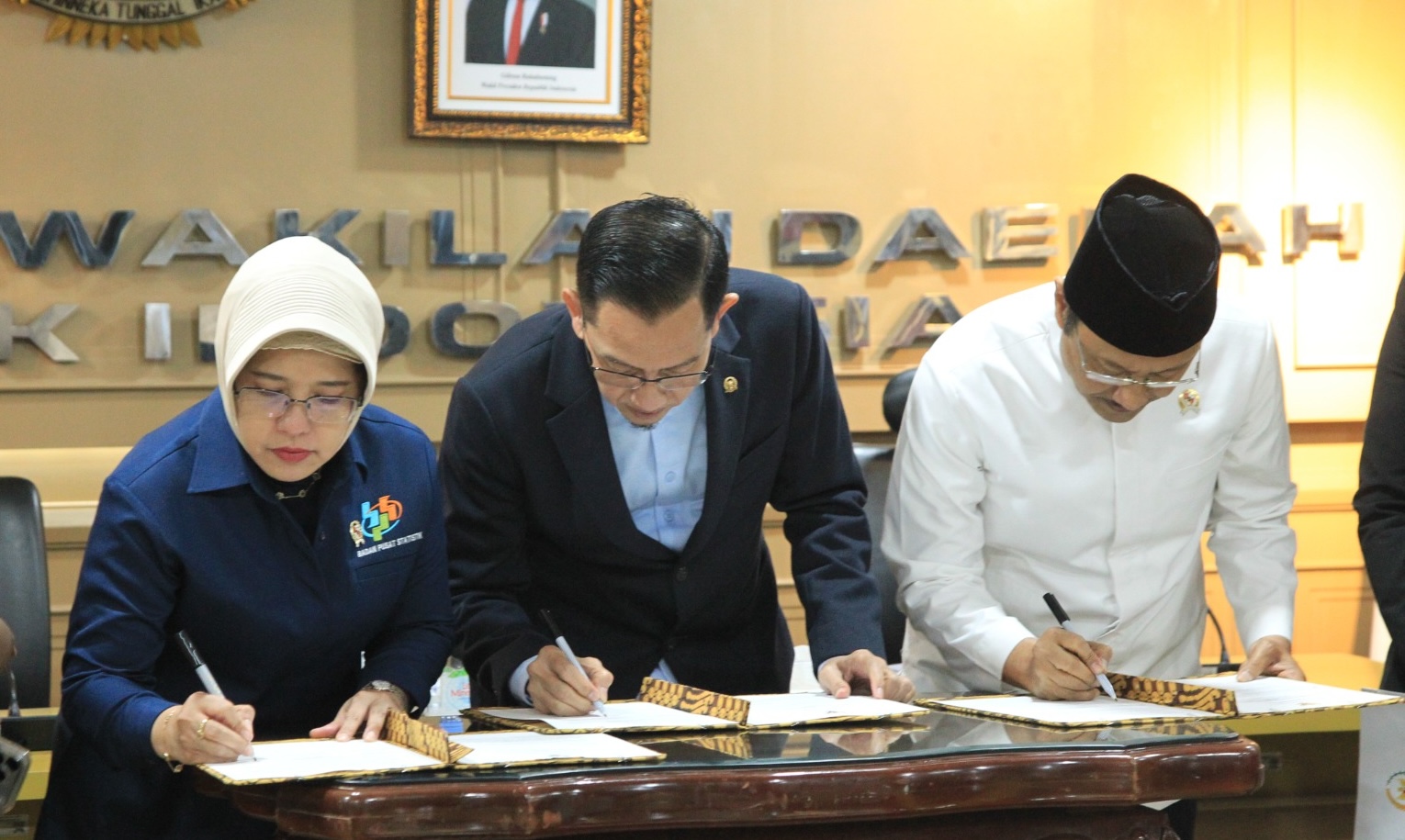
“The debate over DTSEN decile updates is not about the idea of establishing a single database, but rather about the implementation mechanisms and transition management, which must be properly prepared by the government,” Ahmad stated during a Working Meeting between DPD RI Committee III, Minister of Social Affairs Saifullah Yusuf, and Head of Statistics Indonesia (BPS) Amalia Adininggar Widyasanti at the DPD RI building on Monday (Sept 14, 2026).
According to Syauqi, DPD RI Committee III also found that shifts in decile status directly affect public access to social protection programs. In the meeting's introductory notes, Committee III cited an example of a resident in Kulon Progo whose welfare status suddenly shifted from Decile 1 to Decile 9 while applying for a Certificate of Inability to Pay (SKTM) for their child's college needs. Following a data re-verification, the resident's status was rectified back to Decile 3.
Conversely, Syauqi added, Committee III noted that a member of the House of Representatives (DPR RI) was recorded in Decile 4 and listed as a recipient of social aid and the Family Hope Program (PKH), despite having net assets valued at Rp16.17 billion. These contrasting cases demonstrate that the DTSEN problem is not only about eligible citizens losing aid, but also about ensuring that assistance does not flow to those who are unqualified.
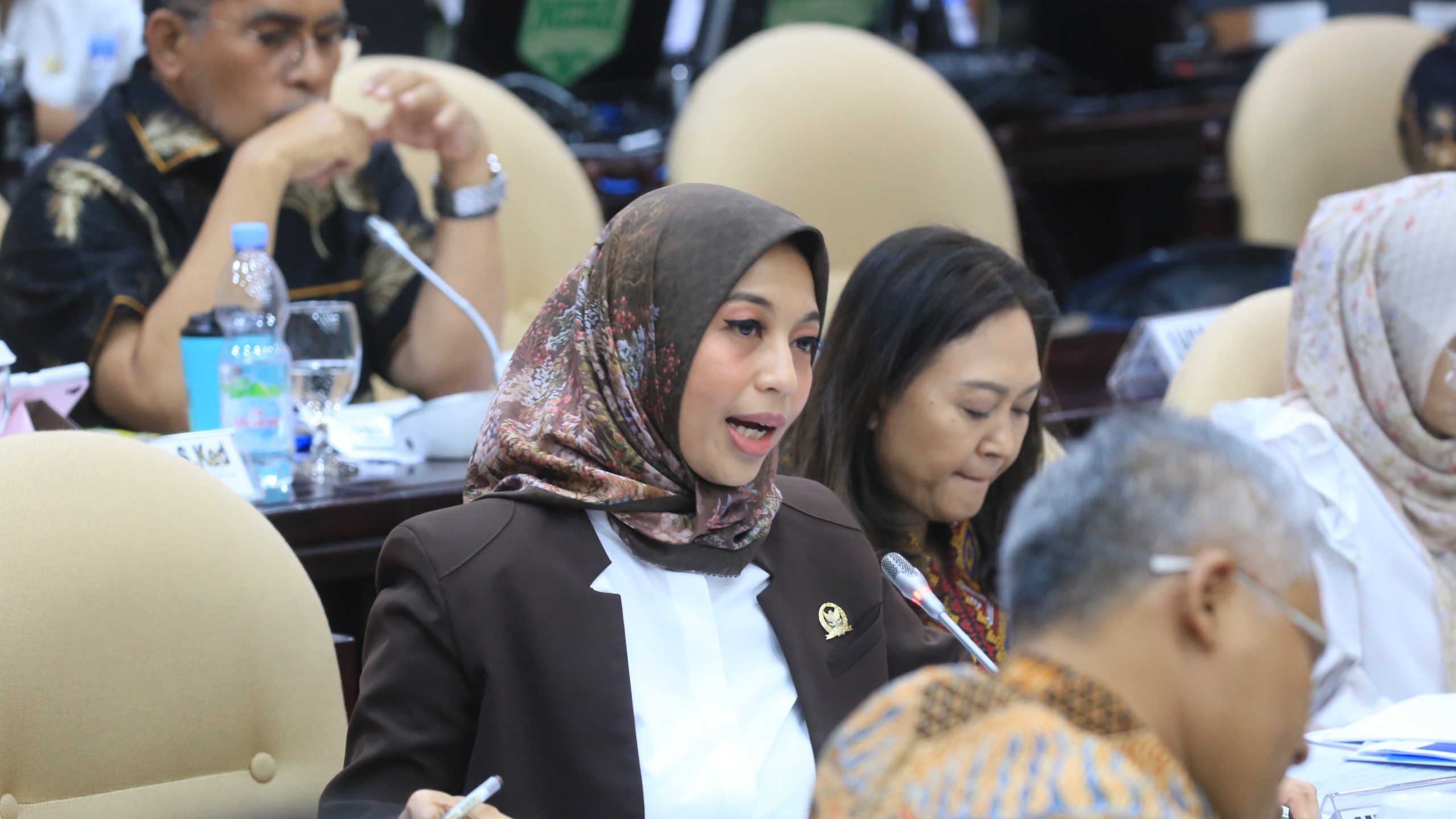
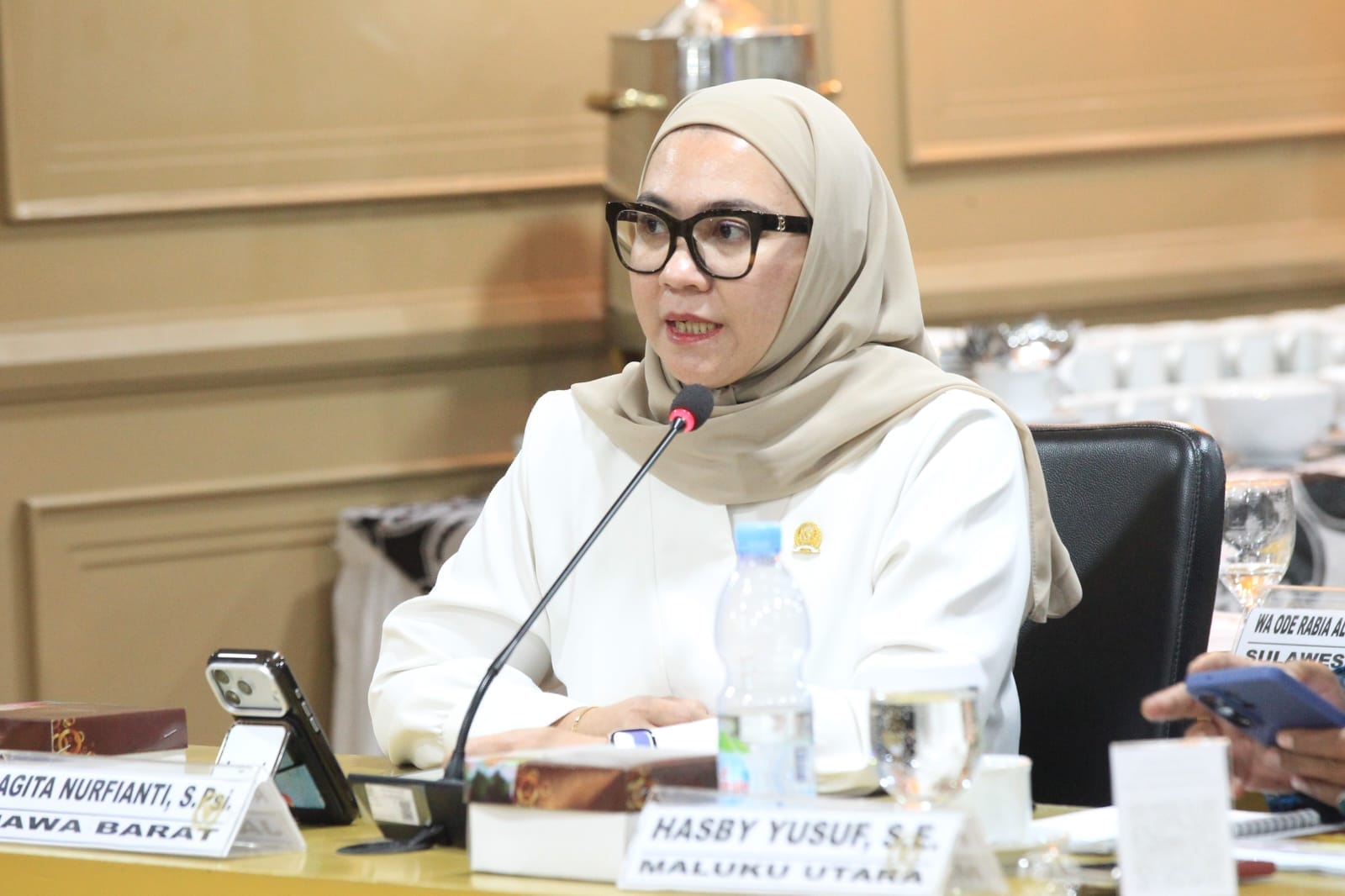
During the meeting, DPD RI Member from Maluku Novita Latuconsina highlighted similar issues in the health sector. She discovered dialysis patients at a regional hospital in Ambon who previously received funding through BPJS (National Health Insurance), but were subsequently stripped of their PBI BPJS (government-subsidized insurance) coverage after their decile status changed.
“I believe that during this data transition phase, the process must not harm citizens who have truly not yet crossed out of poverty,” Novita said.
Meanwhile, DPD RI Member from East Nusa Tenggara Maria Stevi Harman asked the government to exercise caution when using deciles as the sole basis for distributing social assistance. According to her, deciles represent relative welfare rankings of the population and cannot simply be equated with absolute categories of poor or wealthy.
“For social assistance distribution measured by expenditure, it reflects public welfare levels and cannot be measured solely by baseline poverty figures,” Maria noted.
Maria emphasized that the public is not concerned with complex data methodologies; rather, they need certainty that their real conditions are accurately captured by the social protection system. Therefore, the government must ensure the data collection system captures real-world conditions rather than relying strictly on decile classifications.
“The public does not need lengthy explanations regarding variables A through Z. What they want is to be seen, for instance, 'I am a widow with a toddler, yet I have never received social assistance,'” she stated.
Minister of Social Affairs Saifullah Yusuf acknowledged that targeting accuracy has long been a key motivation for the government to build DTSEN. He noted that National Economic Data (DEN) from late 2024 indicated that over 40 percent of social assistance was misdirected. Similar inaccuracies were found across several other social subsidies.
“Everyone agrees that there have been long-standing issues with data, leading to social assistance failing to reach eligible beneficiaries,” Saifullah admitted.
According to Saifullah, continuous data updates are ongoing using multi-source integration and community participation. The government has also opened the Cek Bansos portal to allow citizens to submit suggestions and challenge current beneficiary lists.
Head of BPS Amalia Adininggar Widyasanti explained that DTSEN was established pursuant to Presidential Instruction No. 4 of 2025, with BPS tasked with integrating and compiling socio-economic data that is integrated, updated, and accurate. The updating process is being carried out on a set schedule, currently focusing on social assistance beneficiaries.
Amalia added that the process involves data integration, data cleaning to eliminate duplicates, as well as gradual updates and verification in collaboration with the Ministry of Social Affairs.
Jakarta, September 14, 2026
AGENDA KEGIATAN
DEWAN PERWAKILAN DAERAH REPUBLIK INDONESIA