Informasi Seputar Kegiatan di DPD RI
AGENDA KEGIATAN
DEWAN PERWAKILAN DAERAH REPUBLIK INDONESIA
12 May 2026 oleh admin
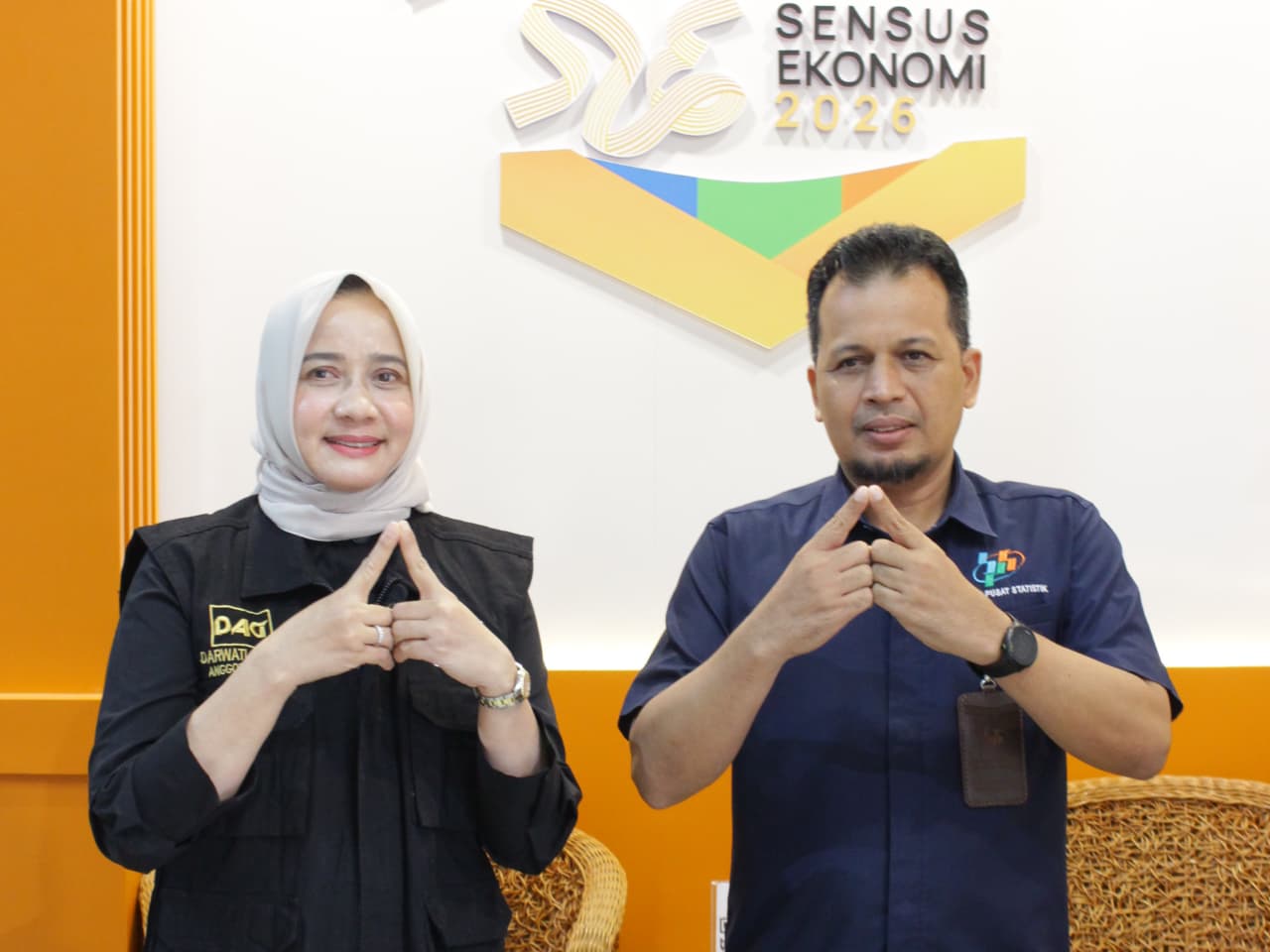
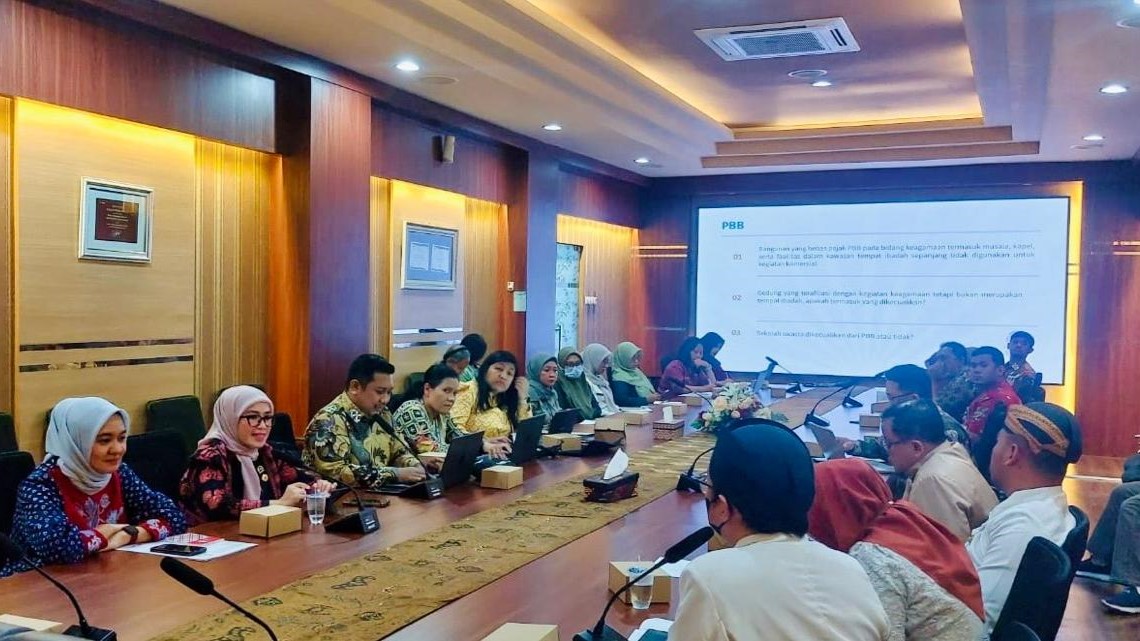
dpd.go.id Banda Aceh - Member of the DPD RI from Aceh Darwati A. Gani made a working visit to the Aceh Central Statistics Agency (BPS) to discuss developments in the economic conditions of the community and the polemic over decile data which has recently become a public concern regarding the Aceh Health Insurance (JKA) service.
The visit, which took place at the BPS Aceh office on Monday (May 11), was received directly by BPS Aceh Head Agus Andria and his staff. During the meeting, Darwati stated that many residents had complained about the change in decile status, which they deemed inconsistent with actual conditions on the ground.
According to Darwati, the issue of deciles is now a public concern because it directly relates to access to social assistance and healthcare services. She noted that a number of residents experiencing economic hardship are actually in the upper decile group.
"Many people who previously felt secure because their healthcare costs were covered by the government are now starting to worry after the policy change. Some residents are struggling but fall into the 8th to 10th deciles," said Darwati.
She said this situation has created confusion in society, especially for families experiencing economic decline but who are still considered capable in the national socio-economic data system.
Darwati also highlighted the existence of people who live in large, inherited family homes, but whose economic circumstances have changed. She believes that a community's socioeconomic condition cannot be judged solely by the appearance of their homes or the assets they own.
Responding to this, the Head of BPS Aceh Agus Andria explained that the determination of community deciles was carried out through the National Socio-Economic Single Data (DTSEN), which is an integration of Regsosek data, DTKS, and Dukcapil population data in accordance with Presidential Instruction Number 4 of 2025.
He explained that the DTSEN includes 39 assessment variables, ranging from employment, assets, household expenses, and housing conditions. "Decile 1 represents the poorest group, and decile 10 represents the wealthiest. Assessment isn't solely based on housing conditions," he said.
Agus added that the public can update data if discrepancies are found through the village or gampong operator managing the SIKS-NG application. Furthermore, data proposals and objections can also be submitted independently through the Ministry of Social Affairs' Cek Bansos application.
At the meeting's conclusion, Darwati expressed her hope that the process of updating community socioeconomic data would be more accurate so that government policies would be truly targeted. She also urged the public to actively check their own data to ensure that aid and healthcare services reach those who truly need them.*
AGENDA KEGIATAN
DEWAN PERWAKILAN DAERAH REPUBLIK INDONESIA