Informasi Seputar Kegiatan di DPD RI
AGENDA KEGIATAN
DEWAN PERWAKILAN DAERAH REPUBLIK INDONESIA
08 October 2026 oleh admin
Jakarta, dpd.go.id — The House of Regional Representatives of the Republic of Indonesia (DPD RI) is pushing to ensure that audit findings by the Supreme Audit Agency (BPK RI) do not remain merely administrative documents, but serve as a foundation for concrete improvements in state financial management down to the regional level. Synergy between the two institutions is being strengthened to ensure that audit recommendations particularly regarding recurring and cross-sectoral issues are fully acted upon by both central and regional governments.
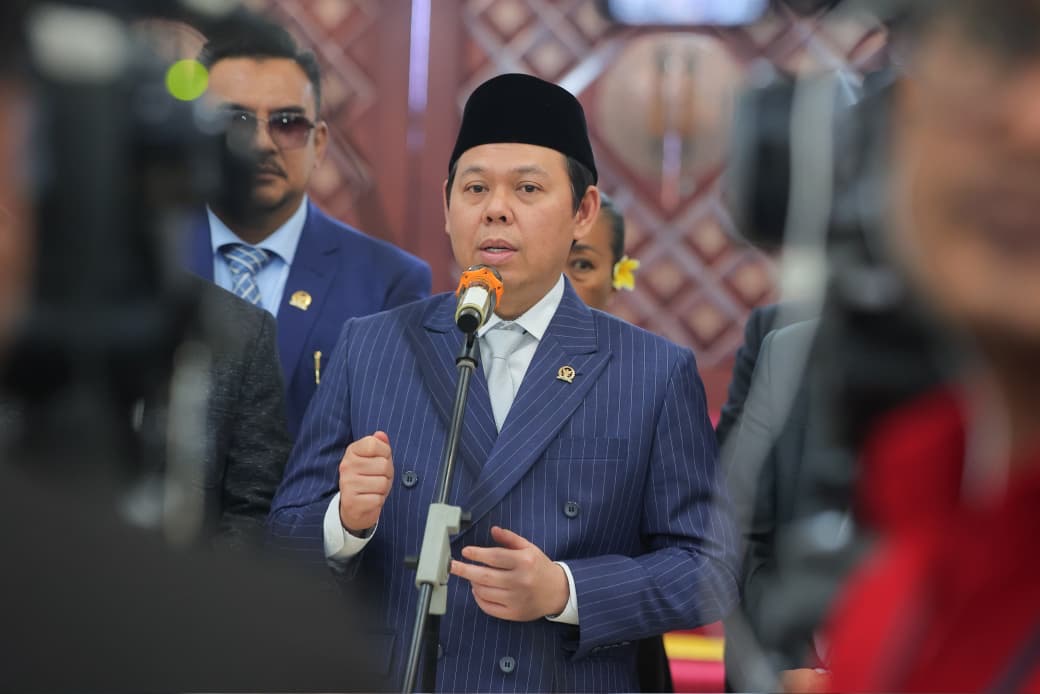
DPD RI Speaker Sultan B. Najamudin requested all DPD RI members and auxiliary bodies to use BPK RI audit results as a vital reference in carrying out their constitutional duties, especially in safeguarding regional interests.
This was stated following the handover of the Executive Summary of Semester I Audit Results (IHPS) for 2026 and the Audit Result Report (LHP) for Semester I of 2026 by the DPD RI Leadership to Committee IV Leadership for review according to their scope of duties. The handover was a follow-up to Article 249 paragraph (1) letter g of the MD3 Law, conducted during the 3rd DPD RI Plenary Session for Sitting Period I of the 2026–2027 Session Year at the Senayan Parliament Complex, Jakarta, on Thursday (10/8/2026).
Sultan emphasized that BPK audit findings must serve as an instrument to strengthen oversight and drive governance improvements in financial management across regions.
Therefore, he urged DPD RI members to utilize the audit results during coordination efforts with local governments so that BPK recommendations can be implemented concretely.
“We ask all DPD RI members and auxiliary bodies to give serious attention to this IHPS and LHP. These audit results should serve as material for DPD RI to synergize and coordinate with local governments in following up on BPK RI's recommendations, ensuring transparent, accountable, and people-centered state financial management in the regions,” Sultan said.
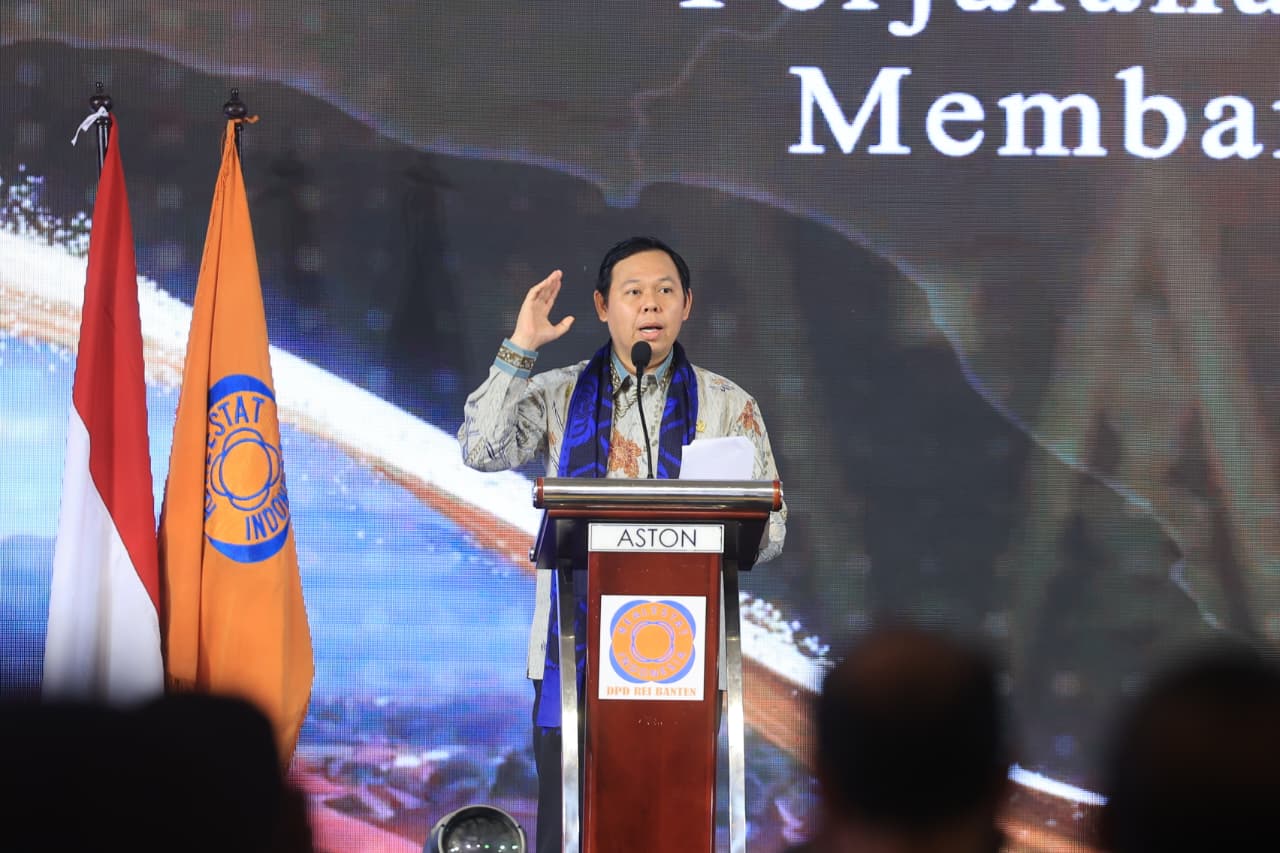
According to Sultan, strengthening oversight of regional affairs is inseparable from national interests. Various issues that concern the central government ultimately affect and are directly felt by regional communities ranging from food prices and job availability to public service quality and equitable development. Hence, he stressed the importance of positioning regions as a central element in formulating and executing national policies.
“In the spirit of ‘From the Regions for Indonesia,’ national progress must grow alongside regional progress. Empowered regions will strengthen Indonesia as a whole,” Sultan added.
Sultan also reminded all DPD RI members to resume gathering public aspirations in their respective electoral districts. Beyond elevating these aspirations to the national stage, senators are expected to convey to their constituents that the state remains present and actively working to address regional challenges.
Meanwhile, Member VI of BPK RI, Fathan Subchi, explained that delivering audit results to DPD RI is a constitutional mandate under Article 23E paragraph (2) of the 1945 Constitution. According to Fathan, synergy between BPK RI and DPD RI plays a strategic role in ensuring that audit recommendations do not end at the report submission stage, but lead to tangible problem-solving especially regarding recurring findings that involve multiple sectors.
“It is our high hope that collaboration between BPK and DPD can oversee the implementation of the Astacita agenda launched by the government, while assisting DPD in strengthening central-regional relations to preserve the integrity and unity of the Unitary State of the Republic of Indonesia,” Fathan stated.
The synergy between DPD RI and BPK RI is expected to enhance oversight regarding the implementation of audit recommendations at both central and regional levels.
Consequently, audit findings will move beyond mere administrative notes to drive real improvements in state financial management, resolve recurring regional issues, and build transparent, accountable, and public-oriented governance.
AGENDA KEGIATAN
DEWAN PERWAKILAN DAERAH REPUBLIK INDONESIA