Informasi Seputar Kegiatan di DPD RI
AGENDA KEGIATAN
DEWAN PERWAKILAN DAERAH REPUBLIK INDONESIA
08 October 2026 oleh admin
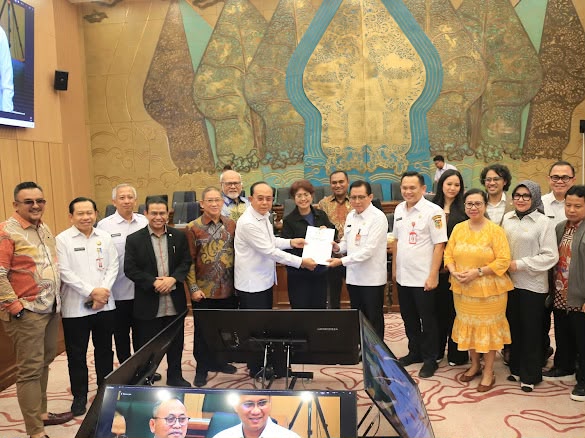
Jakarta, dpd.go.id — The Special Committee (Pansus) of the House of Representatives of the Republic of Indonesia (DPR RI) and the Working Team (Timja) of the House of Regional Representatives of the Republic of Indonesia (DPD RI), together with the Ministry of Home Affairs, are accelerating efforts to harmonize the Problem Inventory List (Daftar Inventarisasi Masalah/DIM) for the Bill on Archipelagic Regions (RUU Daerah Kepulauan). Discussions on the proposed legislation are targeted for completion in the near future through intensive coordination with the Directorate General of Regional Development, the Directorate General of Regional Autonomy, and the Legal Bureau of the Ministry of Home Affairs.
Vice Chair of the DPD RI Working Team on the Bill on Archipelagic Regions, Dr. R. Graal Taliawo, said the bill concerns not only the governance of archipelagic regions but also presents an opportunity to improve relations between the central and regional governments.
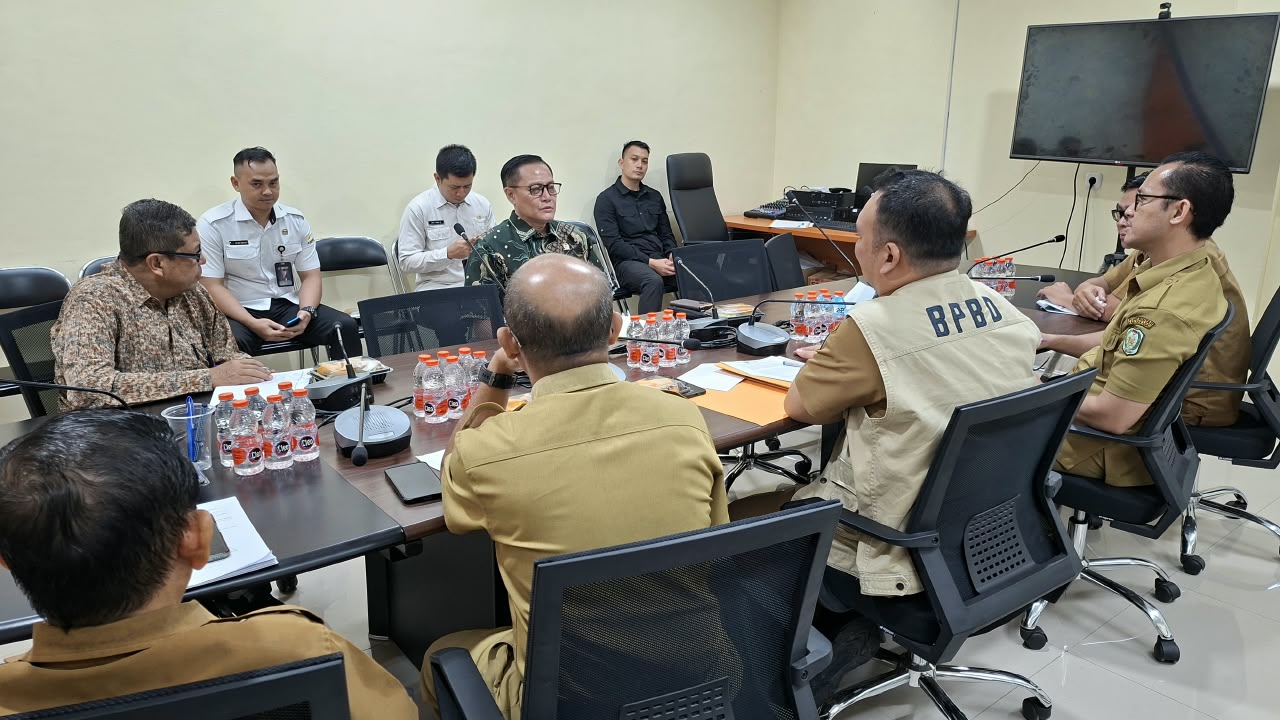
“Looking at the progress we have made, I believe this bill could become a law of reconciliation between the central and regional governments. To be frank, relations between the two are currently marked by tension. There is a sense of trauma surrounding decentralization, which in recent times has instead led to a renewed shift toward centralization,” Graal said during a Working Meeting (Rapat Dengar Pendapat/RDP) on the Bill on Archipelagic Regions at the Parliamentary Complex in Senayan, Jakarta, on Wednesday (October 7, 2026).
According to the senator representing North Maluku, the dynamics of central–regional relations throughout the implementation of decentralization must be taken into account in deliberations on the bill. He therefore believes the legislation should provide a framework for rebuilding trust between the central and regional governments while strengthening central government oversight and preserving sufficient authority for regional governments to exercise their powers.
Echoing Graal's views, DPD RI member representing East Nusa Tenggara, Angelius Wake Kako, said the challenges facing regional governments are not limited to budgetary issues but also involve regional authorities that, in his view, have increasingly been transferred to the central government.
“This bill is not just about money. What regional governments really want is to regain the authority that has been taken away from them in too many areas. Based on our observations at DPD RI, relations have become somewhat strained because both sides are caught up in mutual stereotypes,” Angelius explained.
He noted that regional governments continue to feel that the implementation of regional autonomy has not provided them with sufficient room to exercise their authority.
Meanwhile, the central government remains concerned about various challenges at the regional level, prompting a cautious approach to granting greater powers.
“Through this bill, we are seeking to find common ground. It can serve as a starting point for breaking down stereotypes, strengthening synergy, and restoring harmony between the central and regional governments, enabling archipelagic regions to realize their potential and shape their own future,” he concluded.
AGENDA KEGIATAN
DEWAN PERWAKILAN DAERAH REPUBLIK INDONESIA