Informasi Seputar Kegiatan di DPD RI
AGENDA KEGIATAN
DEWAN PERWAKILAN DAERAH REPUBLIK INDONESIA
07 October 2026 oleh admin
JAKARTA, dpd.go.id —The Committee III of the House of Regional Representatives of the Republic of Indonesia (DPD RI) is urging the strengthening of readiness regarding health facilities and resources in regional areas, particularly in underdeveloped, frontier, and outermost (3T) regions, to support the implementation of the Free Health Check (Cek Kesehatan Gratis / CKG) Program. This readiness is considered vital to ensure that the government's promotive and preventive programs run effectively and that public screening results can be appropriately followed up according to need.
The Vice Chair of Committee III of DPD RI, Erni Daryanti, stated that CKG is one of the essential programs to strengthen promotive and preventive efforts in the healthcare sector. However, its execution still requires careful attention to the readiness of health service facilities, especially in regions with limited infrastructure and equipment.
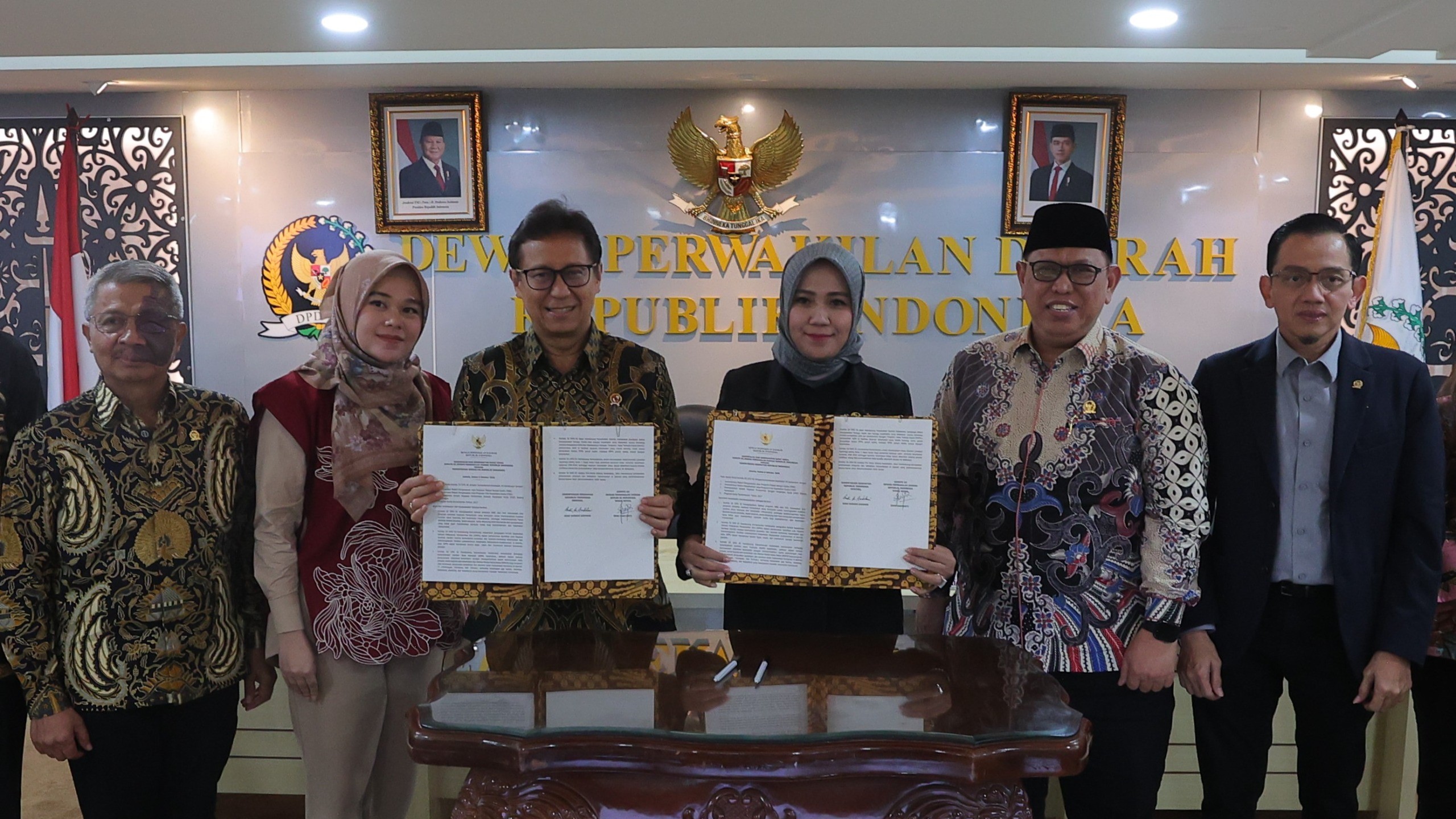
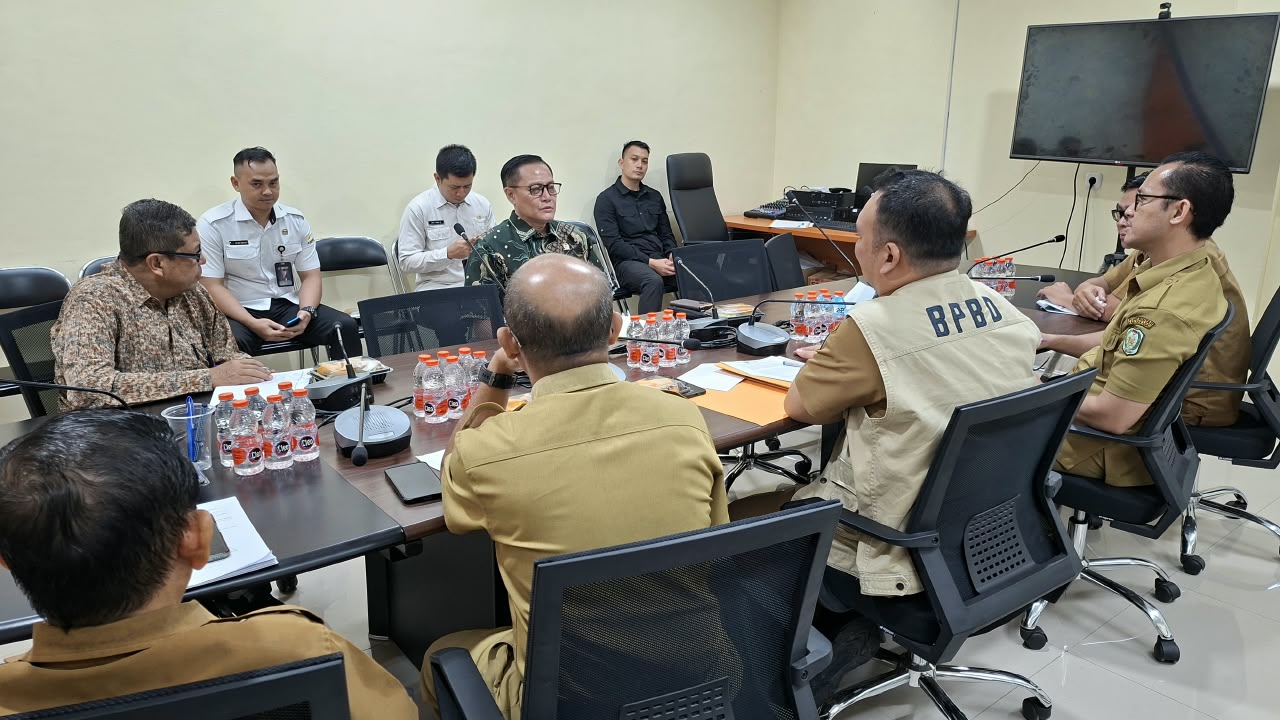
"Regarding CKG, we in Committee III are very pleased, as these promotive and preventive programs have always provided strong support. However, there are obstacles such as facility limitations, especially in 3T regions, which need greater attention across various areas," Erni remarked during a Working Meeting between Committee III of DPD RI and the Ministry of Health at Majapahit Meeting Room, Building B of DPD RI, Jakarta, on Tuesday (10/6/2026).
According to Erni, strengthening regional health services is a crucial part of ensuring that government programs do not merely exist as policies, but are directly felt by communities in various regions. This aligns with Committee III's focus on equitable distribution of healthcare services and the availability of health personnel across regions.
Regional health issues were also raised by DPD RI Member from South Sumatra Province, Jialyka Maharani. She highlighted the condition of haze caused by land and forest fires (karhutla) that had persisted for over a month, impacting public health in her region.
Jialyka reported that there were approximately 800 cases of acute respiratory infection (ARI / ISPA) resulting from these conditions. She requested support from the Ministry of Health, particularly regarding the need for masks, medicines, and oxygen for vulnerable groups such as children and the elderly.
Meanwhile, DPD RI Member from Maluku Province, Anna Latuconsina, highlighted the availability of essential medicines in regional referral hospitals. She requested certainty regarding the guaranteed supply of essential medicines as well as clear financing mechanisms whenever regional hospitals face high demand for medicine.
"Therefore, we request the Ministry of Health and BPJS Kesehatan to provide a clear guarantee of essential medicine stocks in regional referral hospitals, along with clear financing mechanisms should hospitals experience surge demands for medicine," Anna stated.
Responding to the issue of regional health facility readiness, Minister of Health Budi Gunadi Sadikin stated that local governments hold significant authority and responsibility in preparing budgetary support for health service facilities. According to him, local governments need to optimize budget management so that healthcare needs in their respective areas can be met.
"Local governments hold greater authority, especially regarding budget management that can facilitate all of this. Therefore, regional heads must be smart in managing their budgets," Budi said.
Nevertheless, Budi assured that the procurement of medical equipment for health service facilities continues to be carried out by the central government. He mentioned that the need for medical equipment for public health centers (puskesmas) and hospitals will be fulfilled through 2027, backed by budget allocations prepared by the government.
"All medical equipment needs will be met up to 2027. Medical equipment for all puskesmas and hospitals will be fulfilled; Rp70 trillion has been prepared for this," he added.
During the meeting, Committee III of DPD RI concluded that the success of the CKG program is determined not only by screening coverage, but also by the readiness of health service facilities, availability of healthcare personnel, examination equipment, information systems, and the capacity to follow up on public health screening results.
Committee III also underscored the necessity of strengthening health services in 3T regions through the provision of human resources, medical devices, consumable medical supplies, and health education. This is critical given the lingering disparities in healthcare access across regions.
In addition to CKG, Committee III of DPD RI discussed the implementation of the Free Nutritious Meals (Makan Bergizi Gratis / MBG) Program. The Committee assessed that the program requires strict supervision as it concerns the health and safety of a large number of beneficiaries.
Committee III encouraged stronger compliance of Nutrition Fulfillment Service Units (Satuan Pelayanan Pemenuhan Gizi / SPPG) with Hygiene and Sanitation Eligibility Certificates (Sertifikat Laik Higiene Sanitasi / SLHS), including through simplified procedures and increased availability and affordability of Public Health Laboratories (Laboratorium Kesehatan Masyarakat / Labkesmas) in the regions. These measures are necessary to ensure MBG implementation meets food safety standards.
Regarding healthcare human resources, the Committee III highlighted issues surrounding government employees with work agreements (PPPK), ranging from position allocation equity, recruitment processes, and employment status to inter-regional allowance disparities. These issues need to be resolved to prevent negative impacts on the continuity of healthcare services, particularly in regional areas.
Based on the outcomes of the working meeting, the Committee III of DPD RI urged local governments to gradually organize the employment status of medical personnel and health workers through the recruitment of civil servants (ASN), filling vacant staffing positions in health facilities, and transitioning part-time PPPK personnel into full-time PPPK staff.
Furthermore, Committee III of DPD RI urged the Ministry of Health to apply a transition period of a maximum of six months for beneficiaries of National Health Insurance contribution assistance (PBI-JKN). This transition period is necessary to ensure that citizens continue to receive healthcare services during re-verification and economic data updating processes.
Through this working meeting, Committee III of DPD RI reaffirmed its commitment to overseeing the execution of government health policies in the regions. Committee III, through its Health Working Team, will support the accelerated implementation of Ministry of Health programs and policies in regional areas and maintain further communication regarding their execution.
AGENDA KEGIATAN
DEWAN PERWAKILAN DAERAH REPUBLIK INDONESIA