Informasi Seputar Kegiatan di DPD RI
AGENDA KEGIATAN
DEWAN PERWAKILAN DAERAH REPUBLIK INDONESIA
15 April 2026 oleh admin
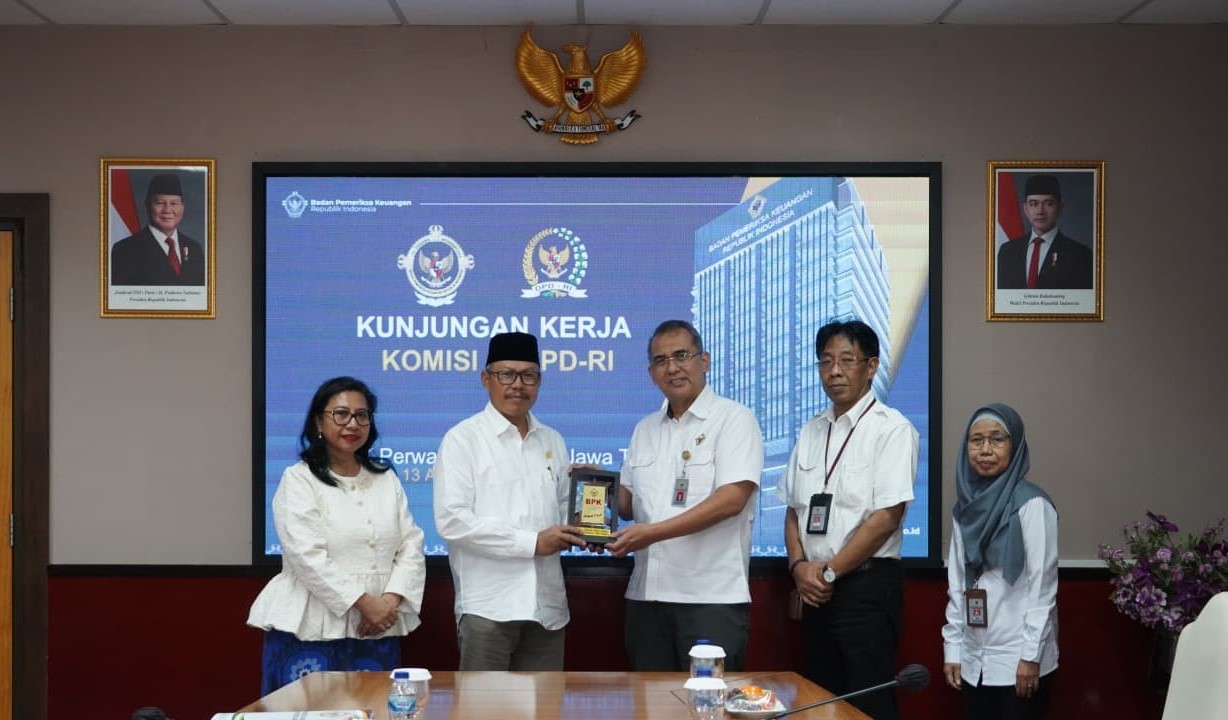
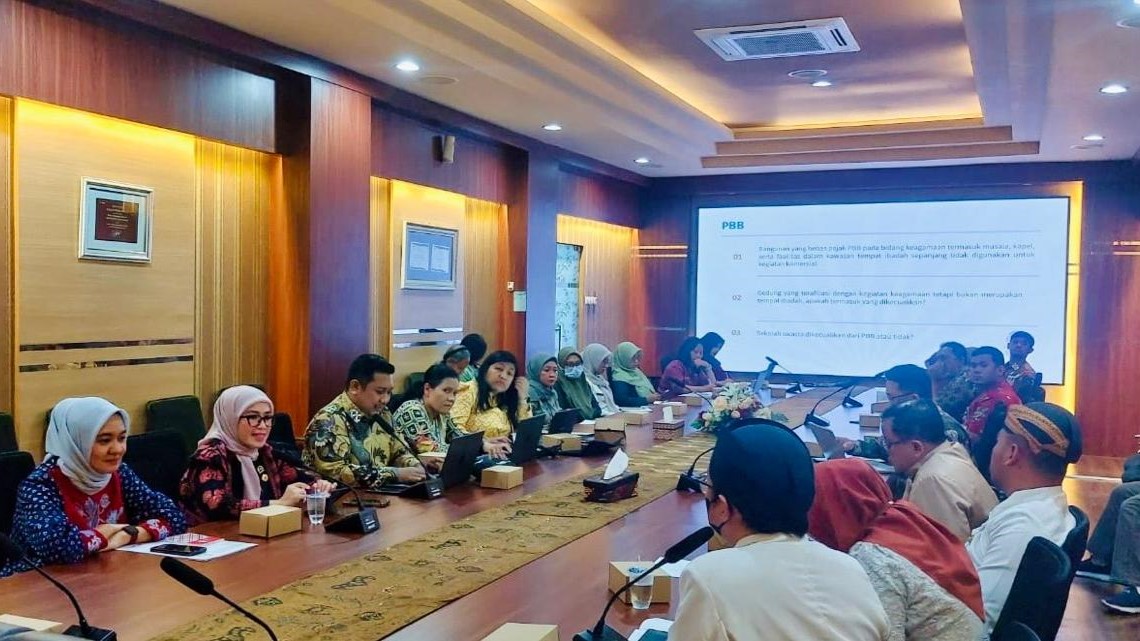
Surabaya, dpd.go.id – Committee IV of The House of Regional Representatives of the Republic of Indonesia (DPD RI) emphasized the importance of strengthening follow-up on audit results from The Audit Board of the Republic of Indonesia (BPK) as a strategic instrument for promoting accountability and quality in regional financial management. This was conveyed during a working visit by Committee IV to East Java Province on April 13, 2026, to oversee the follow-up to BPK audit results.
Chairperson of Committee IV of The House of Regional Representative of the Republic of Indonesia (DPD RI), Ahmad Nawardi, emphasized that the Summary of Semester Audit Results (IHPS) II of 2025 provides a comprehensive picture of the state's financial condition, including in the regions.
"The 2025 IHPS II contains hundreds of audit reports that not only reflect the level of administrative compliance but also reveal structural challenges in regional financial management," said Ahmad Nawardi.
He highlighted that East Java is one of the regions with strategic audit coverage, ranging from regional taxes and levies, education, food security, to regional-owned enterprise (BUMD) sectors.
"Problems such as a suboptimal tax database, weak oversight of regional revenues, and a lack of integration between regional government systems demonstrate that we need systemic improvements, not just administrative ones," he stressed.
According to him, the follow-up to the BPK recommendations must be positioned as a momentum for improving governance.
"Following up on the BPK's recommendations must be a strategic instrument to strengthen regional fiscal capacity and ensure that the policies taken truly impact public welfare," he added.
Meanwhile, the Head of the BPK Representative Office for East Java Province, Yuan Candra Djaisin, revealed the achievements of follow-up recommendations in his region.
"Cumulatively, the follow-up completion rate for BPK recommendations in East Java reached 93.26 percent by the second semester of 2025, which is above the national average," Yuan explained.
However, he acknowledged that there were still challenges in achieving medium-term solutions.
"Over the past five years, the completion rate has hovered around 80.26 percent. This indicates that there are still obstacles that need to be addressed on an ongoing basis," he said.
He also explained a number of obstacles that often occur in the field.
"The main obstacles include delays in distributing audit reports within local governments, the transfer or retirement of responsible officials, and the complexity of resolving compensation claims," he said.
In addition, classic issues related to asset management are still a serious concern.
"Unorganized fixed asset management, weak record-keeping and security, and suboptimal utilization of regional assets are still recurring findings across various entities," Yuan added.
In the discussion, Committee IV of the DPD RI emphasized that the role of BPK does not stop at the audit process, but must be strengthened in encouraging effective follow-up.
"We believe it's necessary to strengthen coordination between The Audit Board of the Republic of Indonesia (BPK) and regional governments, as well as optimize the internal control system so that every recommendation can be followed up quickly, accurately, and with impact," said Ahmad Nawardi.
He also highlighted the importance of improvements in strategic regional sectors.
"Issues of asset management, optimizing regional original revenue, and synchronizing central and regional fiscal policies must be a shared concern to strengthen regional fiscal capacity," he stressed.
Committee IV of the DPD RI also appreciates the openness of the East Java Representative of BPK in conveying real conditions on the ground.
"We appreciate the transparency and commitment of the East Java Audit Board (BPK). This is an important foundation for building more effective supervisory synergy," said Ahmad Nawardi.
In closing, he emphasized that the results of this visit would be followed up in the form of policy recommendations.
"All input and findings from this working visit will serve as material for Committee IV to formulate policy recommendations to strengthen regional financial governance and ensure that fiscal potential is truly utilized for the benefit of the community," he concluded.
AGENDA KEGIATAN
DEWAN PERWAKILAN DAERAH REPUBLIK INDONESIA