Informasi Seputar Kegiatan di DPD RI
AGENDA KEGIATAN
DEWAN PERWAKILAN DAERAH REPUBLIK INDONESIA
13 October 2026 oleh admin
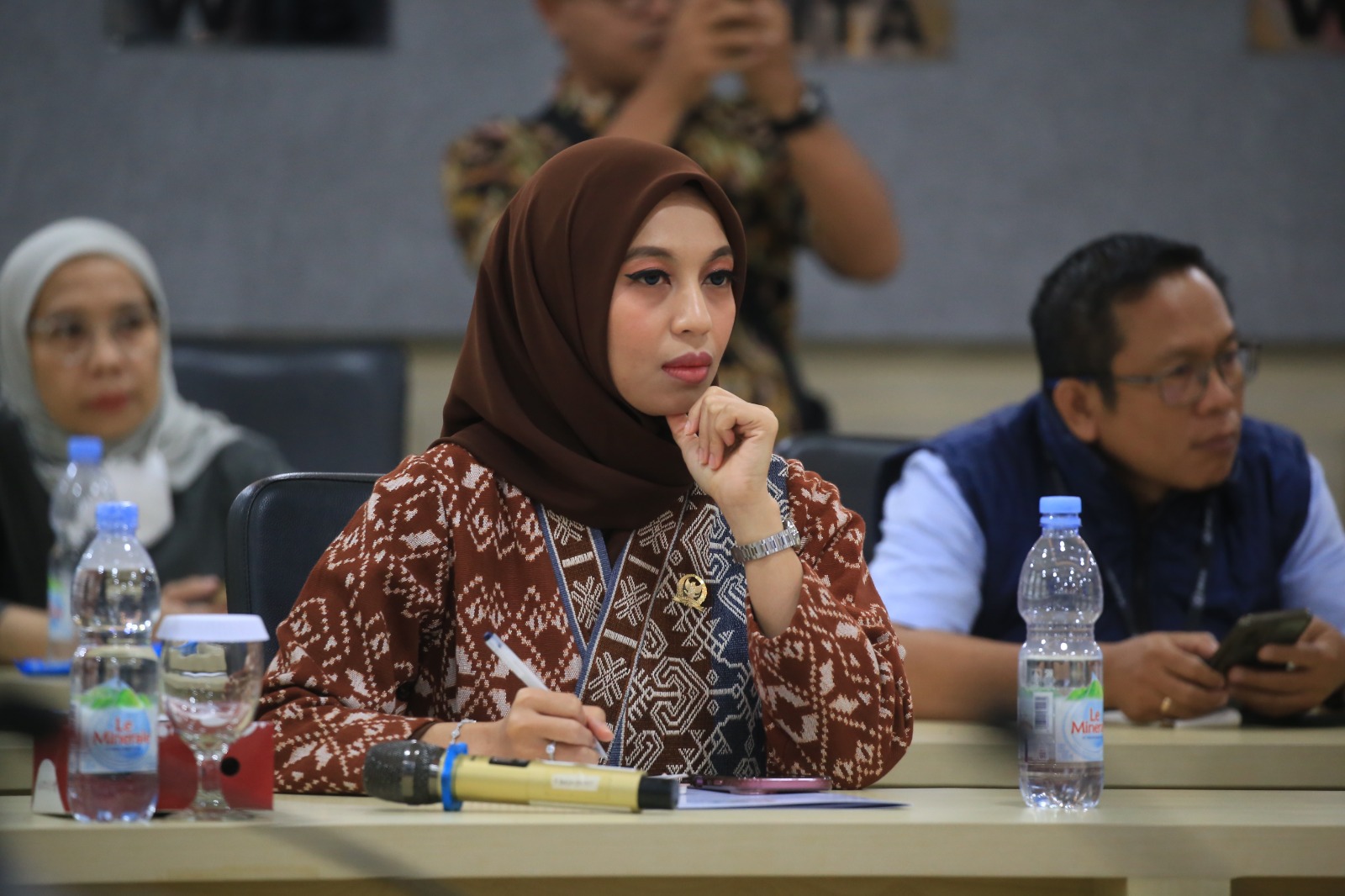
Mataram, dpd.go.id — Mirah Midadan Fahmid, a member of the House of Regional Representatives (DPD) from West Nusa Tenggara (NTB), believes the Mandalika MotoGP has significant potential to continue driving the regional economy while strengthening the quality of local human resources. With an estimated economic impact of around IDR 5 trillion by 2026, the sustainability of this international event requires a strategy to ensure its benefits are broadened and felt by the people of NTB.
According to Mirah, MotoGP should nott be viewed solely as a three-day sporting event. This event is part of a strategy for developing tourism, the creative economy, investment, and regional promotion, which can have long-term impacts if managed consistently.
"The Mandalika MotoGP must be a long-term investment for NTB. We're not just talking about the number of spectators or the amount of revenue generated during the event, but also how this event opens up business opportunities, creates jobs, and enhances the capacity of the local community," said Mirah.
For comparison, the economic impact study of the 2025 Mandalika MotoGP estimated a national economic contribution of Rp 4.96 trillion, with 140,324 spectators and an average hotel occupancy rate of 93% on Lombok Island. This significant activity demonstrates that the benefits of MotoGP extend to the accommodation, transportation, trade, and various tourism-related business sectors.
She highlighted the growing involvement of MSMEs, including 500 MSMEs from 10 regencies/cities in West Nusa Tenggara (NTB) participating in the 2026 Lombok Sumbawa Festival and 134 MSMEs participating in the Mandalika Bazaar. These developments demonstrate the growing opportunities for local products to reach consumers from various regions and countries.
However, Mirah emphasized that increasing the number of participants needs to be followed by an evaluation of turnover, net profit, market access, and business sustainability after the event ends.
"MSMEs shouldn't just be busy selling during MotoGP. We want them to gain new customers, improve product quality, refine packaging, expand digital marketing, and be competitive after the event is over," she said.
Beyond the business sector, Mirah believes the involvement of approximately 2,500 young people from West Nusa Tenggara (NTB) as marshals and volunteers is crucial for developing regional human resources. Experience working in international-level organizations can strengthen skills, discipline, communication skills, and prepare the local workforce to meet industry needs.
This involvement also includes worker protection. A total of 2,500 volunteers and marshals for the 2026 MotoGP season have received BPJS Ketenagakerjaan (Indonesian Social Security Agency) coverage, which includes Work Accident Insurance and Death Insurance. This demonstrates that human resource capacity development through international events requires adequate safety and occupational protection standards.
She also highlighted the achievement of the local medical team who obtained Super License certification from Dorna Sports as an example of the potential of NTB's human resources to meet international standards.
"This demonstrates that local youth are capable of playing a significant role in world-class events. The next challenge is to ensure these skills and work standards continue to be applied in public service and to open up career opportunities for the younger generation," she explained.
From an economic perspective, Mirah encouraged local governments to expand MotoGP's impact to the transportation, hospitality, culinary, crafts, agriculture, fisheries, and tourism sectors beyond Mandalika. Increased connectivity and tourist visits should be leveraged to create a more equitable economic cycle.
She also emphasized the importance of evaluating the costs of organizing the event, the economic benefits, the impact on the community, and the readiness of the infrastructure as a basis for planning the sustainability of MotoGP in the coming years.
"The sustainability of MotoGP requires measurable planning and tangible benefits. The government must ensure that local communities are not merely spectators but key players in the economic growth it creates," Mirah emphasized.
Mirah hopes that the Mandalika MotoGP will continue to be a gateway for NTB to strengthen its international tourism reputation, improve human resource competitiveness, and build a more inclusive regional economy.
"The ultimate goal isn't just to successfully hold an annual race, but to make MotoGP a momentum to improve the prosperity of the people of West Nusa Tenggara, to elevate MSMEs, and to enhance the competitiveness of the local workforce," she concluded.
AGENDA KEGIATAN
DEWAN PERWAKILAN DAERAH REPUBLIK INDONESIA