Informasi Seputar Kegiatan di DPD RI
AGENDA KEGIATAN
DEWAN PERWAKILAN DAERAH REPUBLIK INDONESIA
16 October 2026 oleh admin
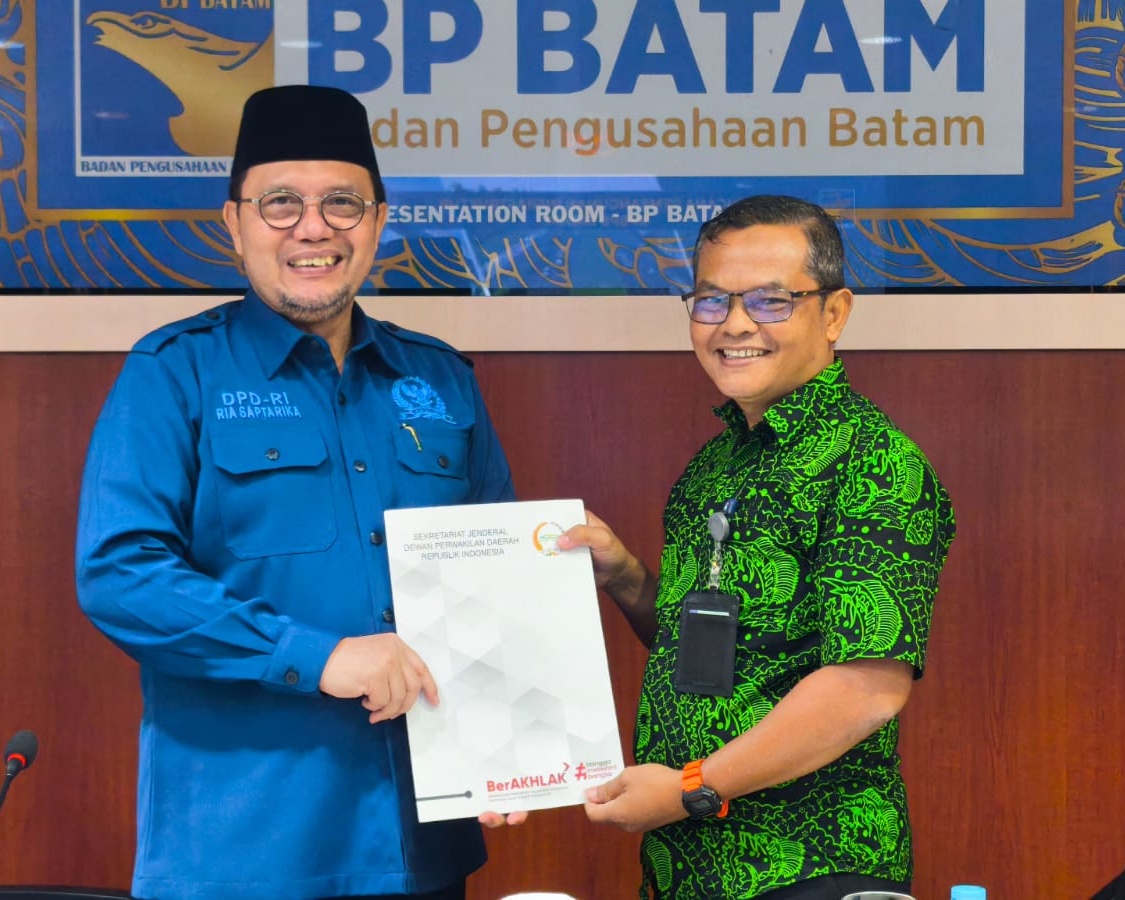
Batam, dpd.go.id — DPD RI Senator representing the Riau Islands Province, Ir. H. Ria Saptarika, M.Eng., gathered feedback and mapped out oversight material regarding the implementation of Law No. 22 of 2009 on Road Traffic and Transportation. The primary focus was the development of mass transit in Batam City, specifically the Trans Batam service.
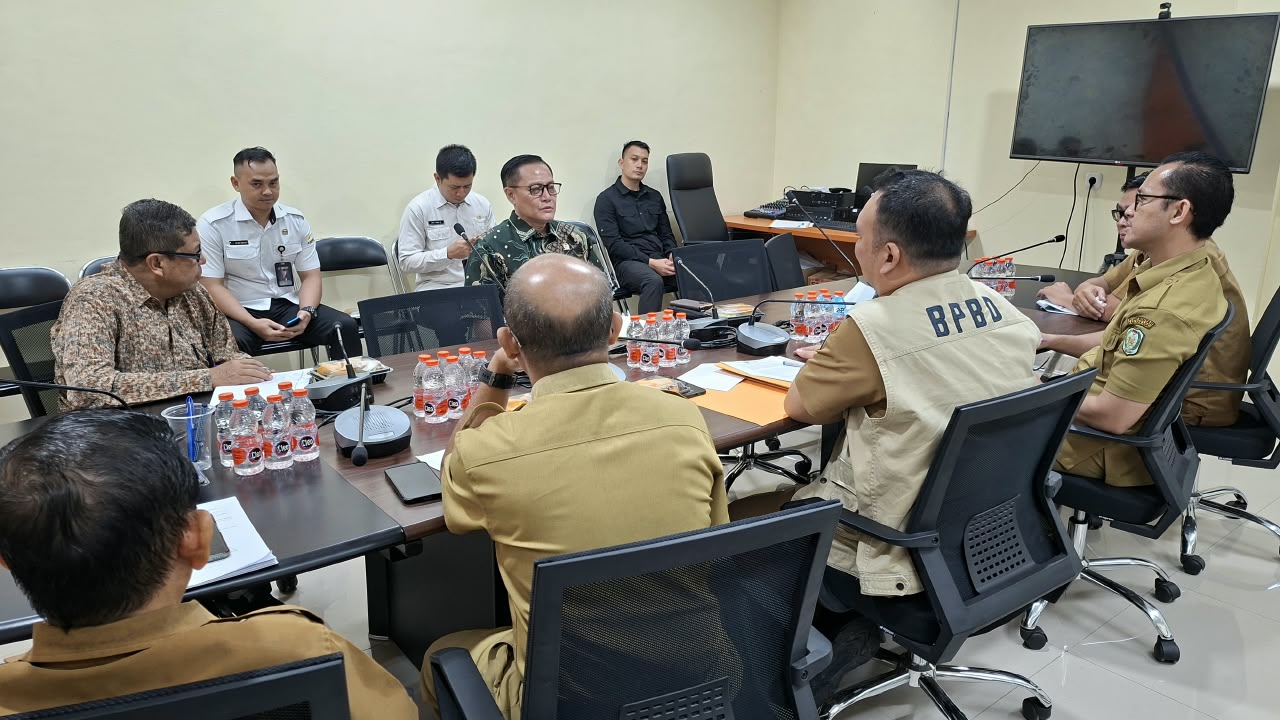
A meeting held with the Director of Infrastructure Planning, Fesly Abadi Paranoandan, alongside the Batam City Transportation Office, represented by Head of UPTD Trans Batam, Bambang Sucipto, and expert staff member Wildan, addressed road infrastructure readiness, the Bus Rapid Transit (BRT) network, fleet requirements, intermodal integration, and the roadmap for public transit electrification.
The rapid growth of industrial estates, residential areas, commerce, and digital investments makes Trans Batam a strategic issue. Escalating mobility demands a mass transit system that is reliable, affordable, integrated, and sustainable.
Aligning BRT Plans with Real Needs
One of the key topics discussed was a feasibility study for dedicated-lane BRT conducted by GIZ during 2020–2021. According to presentations during the meeting, that study proposed a 28-kilometer dedicated lane, 34 stations, 10 main routes, and 4 feeder routes, with a projected demand of up to 50,000 trips per day.
However, the Transportation Office’s presentation, delivered by Head of UPTD Trans Batam Bambang Sucipto, outlined a different set of plans: 11 trunk routes, 10 feeder routes, 16 transit interchanges, along with upgrades to bus stops and shelters.
This configuration discrepancy between earlier studies and the latest plans underscores the need for a unified, integrated roadmap—complete with implementation stages, investment needs, and a clear division of inter-agency responsibilities.
Ria Saptarika stressed that planning must go beyond merely adding buses and shelters; it must deliver noticeable improvements in service quality for the public. “Trans Batam’s development must be designed as an integrated system. Passenger needs, route networks, dedicated lanes, bus stops, depots, and operational funding must all connect seamlessly. Every investment must deliver real benefits to the community.”
Load Factor as a Basis for Service Evaluation
The Transportation Office’s presentation also revealed load factor data across nine Trans Batam corridors for the January–August 2026 period, with corridor averages ranging from 16% to 47%. Corridors 2 and 8 recorded the highest load factors at 47% each, while Corridors 5 and 9 recorded the lowest at 17% and 16%, respectively.
These average figures must be interpreted with care. A low load factor does not necessarily mean excess fleet capacity, nor does a high load factor automatically prove a capacity deficit. Evaluations must account for peak-hour demand, travel directions, wait times, service frequencies, and worker commuting patterns to industrial areas.
Fleet requirements must also be backed by transparent calculations. The Transportation Office plans for a total of 183 units—comprising 121 medium buses, 12 large buses, and 50 microbuses or feeders. This target needs clarification based on active existing fleet counts, replacement needs, frequency increases, new route launches, and reserve backup fleets.
Three Strategic Agendas Toward Full-BRT
Within the framework of legislative oversight, there are three main agendas that BP Batam and the Batam City Government must follow up on:
Electrification Must Be Planned from the Start Developing Trans Batam creates an opportunity for a phased fleet electrification to promote low-emission transportation.
However, transitioning to electric buses involves much more than purchasing vehicles. Depot readiness, charging station locations, power grid capacity, peak charging demand, operational costs, and coordination with electrical utility providers must be integrated into planning from day one. Utilizing solar PV systems at depots or suitable supporting assets should also be evaluated for technical and economic feasibility.
Through this approach, electrification becomes more than replacing vehicle technology—it enhances operational efficiency and cuts transportation emissions. Result-Oriented Oversight
Gathering regional input is part of the DPD RI’s constitutional mandate to monitor the implementation of laws and advocate for regional interests. Data and feedback from relevant institutions serve as key material to identify implementation bottlenecks and formulate targeted recommendations for the government according to its authority. The success of Batam’s mass transit system must ultimately be measured by tangible results: growing ridership, improved punctuality and frequency, shorter wait times, better worker access to industrial zones, and sustainable operational funding.
Transforming Trans Batam into a Full-BRT system is not merely a physical infrastructure project, but a comprehensive overhaul of urban mobility. Its success hinges on consistent planning, close coordination between BP Batam and the Batam City Government, financing certainty, and the service's ability to meet the daily travel needs of the public.
AGENDA KEGIATAN
DEWAN PERWAKILAN DAERAH REPUBLIK INDONESIA