Informasi Seputar Kegiatan di DPD RI
AGENDA KEGIATAN
DEWAN PERWAKILAN DAERAH REPUBLIK INDONESIA
04 October 2026 oleh admin
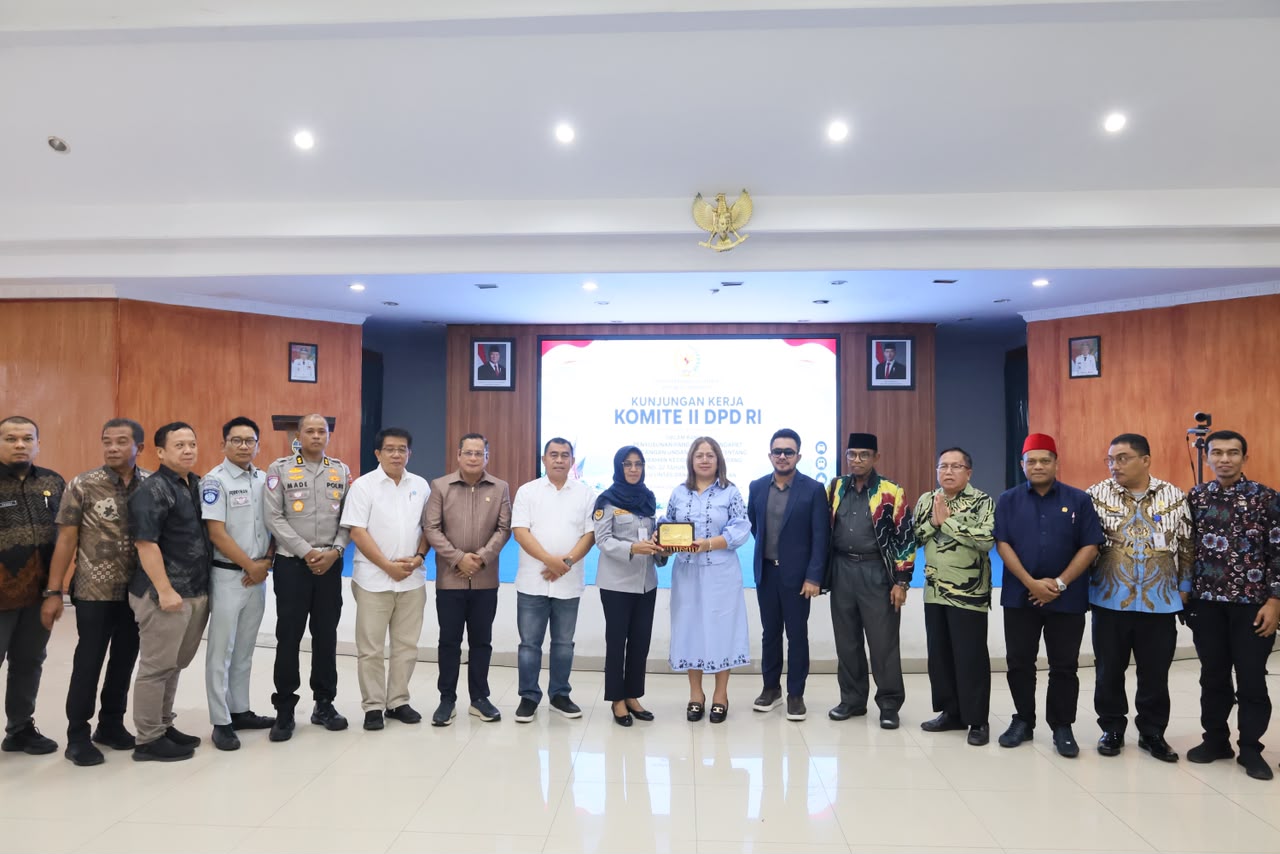
Medan, dpd.go.id — Committee II of DPD RI has absorbed various inputs from the North Sumatra Provincial Government and stakeholders regarding the implementation of traffic and road transportation as material for compiling the DPD RI's Views and Opinions on the Draft Law on the Third Amendment to Law Number 22 of 2009 concerning Traffic and Road Transportation (RUU LLAJ) which has been drafted by the DPR RI, as mandated by Article 22D paragraph (2) of the 1945 Constitution of the Republic of Indonesia regarding the participation of the DPD RI in discussing the Bill relating to regional autonomy.
The working visit of Committee II of the DPD RI took place in North Sumatra on October 2, 2026 at the Office of the Transportation Agency of North Sumatra Province, led by the Chairperson of Committee II of the DPD RI, Dr. Badikenita Br. Sitepu and Vice Chairperson II, A. Abdul Waris Halid, S.S., M.M, as well as members of Committee II of the DPD RI. This activity aims to obtain empirical data, implementation experience, and regional aspirations regarding various traffic and road transportation issues that need to be strengthened in the amendment of the LLAJ Law.
Chairperson of Committee II of the DPD RI, Badikenita Br. Sitepu, said that North Sumatra is one of the strategic regions in the national transportation system because it has an economic growth center, the Medan-Binjai-Deli Serdang agglomeration area, logistics distribution routes, and tourism areas such as Berastagi, Samosir, and Parapat. "For Committee II of the DPD RI, it is very important to know what content in the LLAJ Law, which is 15 years old, has not been able to provide certainty, justice, and benefits for the community, and how changes to the law not only resolve normative issues at the central level, but also provide adequate space and instruments for the regions," said Badikenita.
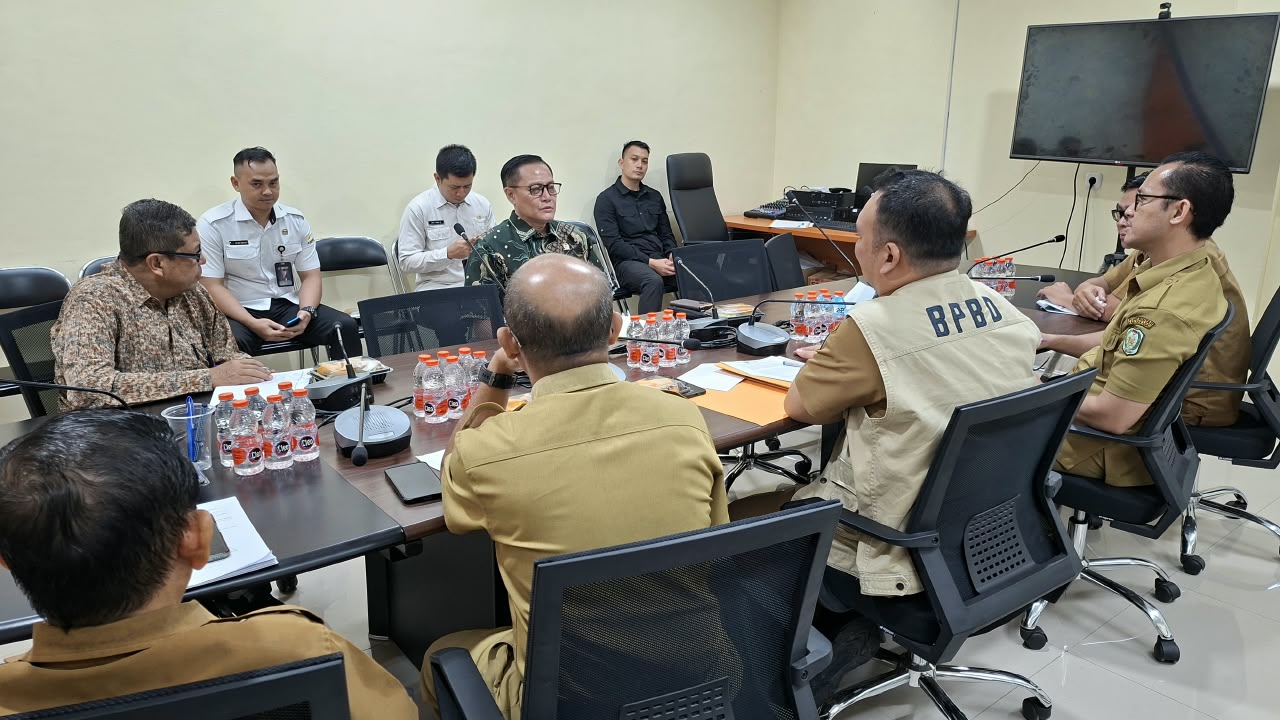
The North Sumatra Provincial Government has reported significant development in transportation dynamics in the region. Rochani Litiloly, Secretary of the North Sumatra Transportation Agency, stated that North Sumatra has developed into one of the largest economic hubs on the island, thus facing increasingly complex transportation pressures.
According to him, one of the pressing needs is legal certainty for digital-based transportation. The growth of online motorcycle taxis and taxis has created a need for clearer regulations, including regarding fleet size, fare limits, operational areas, and parking and depot arrangements. "This revised law is expected to clearly regulate the legal status of app-based transportation while also granting regional governments the authority to determine areas, fare limits, and operational oversight," said Rochani.
Another major concern is overloaded vehicles, or Over Dimension Over Loading (ODOL). Local governments believe that ODOL not only damages roads but also increases the risk of accidents and burdens infrastructure maintenance budgets.
Ridwan Anas, a lecturer at the Faculty of Engineering at the University of North Sumatra, believes the sanctions for ODOL vehicles need to be strengthened. "The sanctions in the current LLAJ Law for ODOL vehicles only apply to drivers. Considering the problem, they should also apply to the owners or their companies. The sanctions in the LLAJ Law are still very light," he said. Ridwan Anas stated that there are approximately 300 level crossings in North Sumatra that lack gates and require government attention.
The North Sumatra Regional Police Traffic Directorate echoed this sentiment, stating that ODOL (Driving on Road Traffic) must be addressed from upstream to downstream. Enforcement should not only target drivers but also those who manufacture or modify vehicles that fail to comply with regulations.
The North Sumatra National Road Implementation Agency also reported that the national road network in North Sumatra has reached 2,619 kilometers with a level of stability of around 95%. Agung Setyawan from the North Sumatra BBPJN emphasized the importance of complying with road class and heaviest axle load (MST) regulations, as well as providing incentives for operators who comply. In addition to ODOL and online transportation, participants also raised safety issues at level crossings.
The Medan City Transportation Agency also reported on developments in mass transportation and electric vehicles. Electric mass transit buses are currently available in Medan. However, the development of mass transportation still faces challenges such as congestion, pollution, intermodal integration, and the need for supporting infrastructure, including electric vehicle charging facilities.
Committee II of the DPD RI also received input regarding the need for harmonization of authority between the central government, provincial governments, and district/city governments. This division of authority is considered important in regulating routes, vehicle testing, law enforcement, road management, and the implementation of transportation in agglomeration areas and border areas. In addition, the North Sumatra Provincial Government proposed strengthening funding support for the implementation of regional transportation, including road construction and maintenance, lighting and road markings, and public transportation subsidies.
This proposal is one of the inputs that will be reviewed in the preparation of the DPD RI's Views and Opinions.
Committee II of the DPD RI emphasized that all of the input will be used as material in formulating the DPD RI's views on the LLAJ Bill, especially so that regulatory changes can respond to transportation developments, strengthen safety, provide legal certainty for technology-based transportation, address ODOL issues, and clarify the division of authority and funding support for regions.
This working visit also emphasized the role of the Regional Representative Council (DPD RI) as a regional representative in advocating for regional needs and interests in the legislative process, so that the reform of the LLAJ Law can provide more tangible benefits for the community and regional transportation management.(*)
AGENDA KEGIATAN
DEWAN PERWAKILAN DAERAH REPUBLIK INDONESIA