Informasi Seputar Kegiatan di DPD RI
AGENDA KEGIATAN
DEWAN PERWAKILAN DAERAH REPUBLIK INDONESIA
25 April 2026 oleh admin
Yogyakarta, dpd.go.id - The commemoration of Regional Autonomy Day (25/4) should be a turning point in decentralization. Autonomy cannot simply be celebrated; it must be implemented with real authority in the regions and provide space for regions to regulate and manage their own interests within the framework of the Unitary State of the Republic of Indonesia.
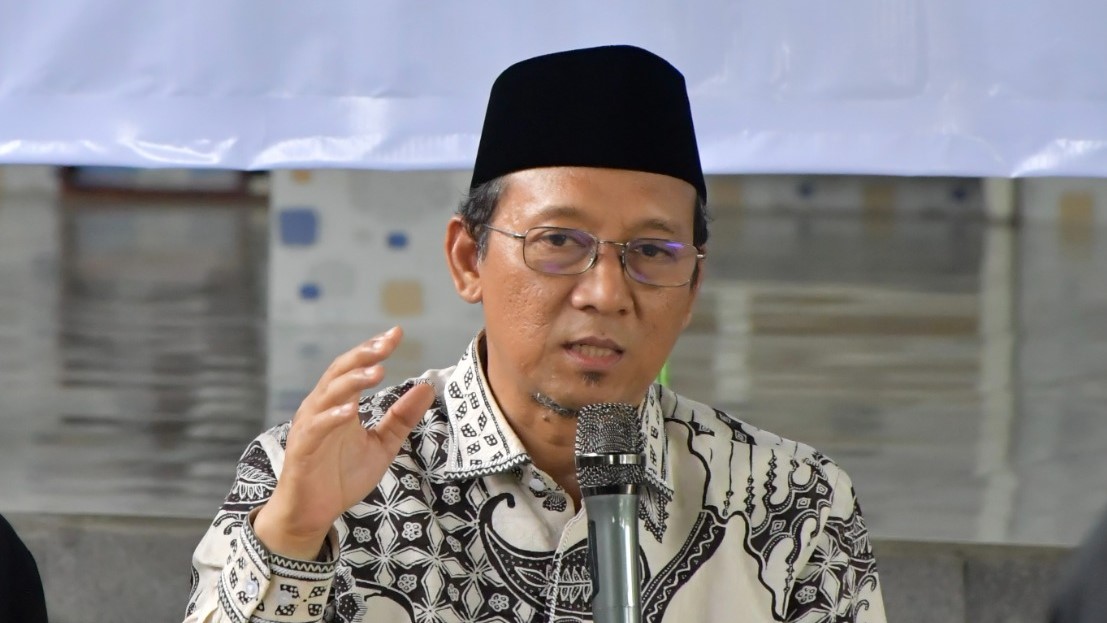
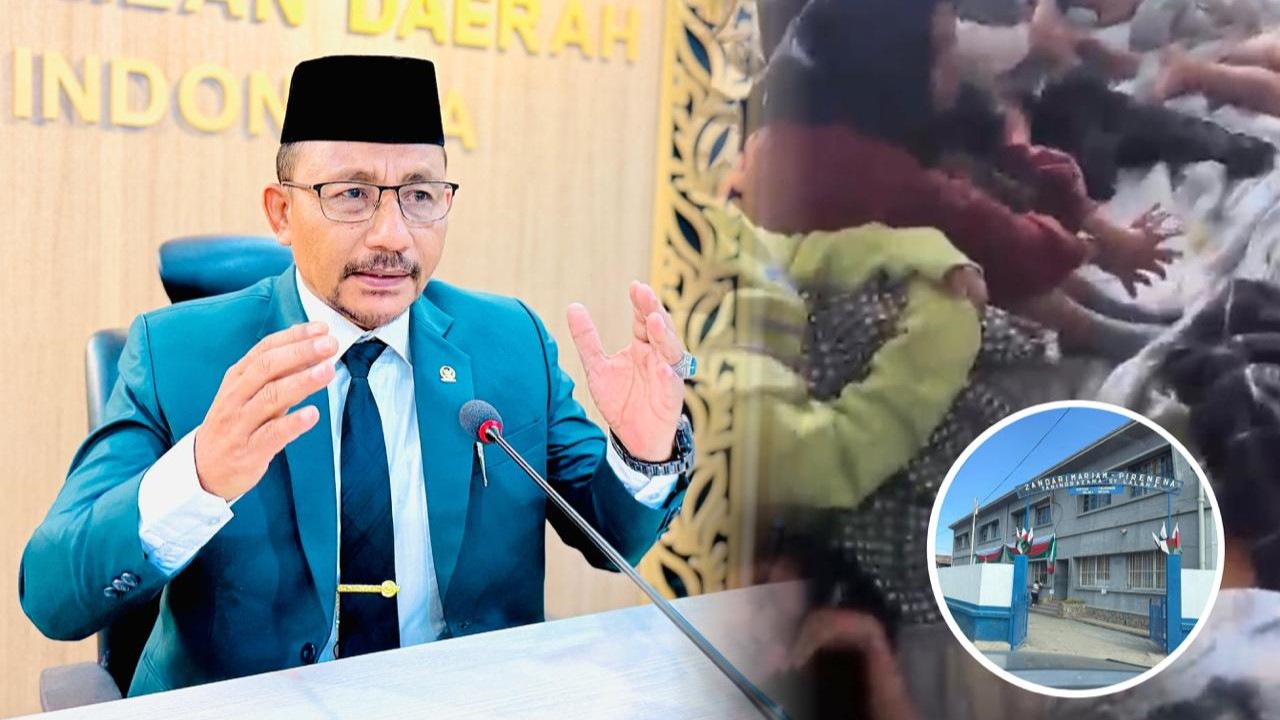
Member of the House of Regional Representatives of the Republic of Indonesia (DPD RI), Dr. H. Hilmy Muhammad, M.A., emphasized that current practices still pose fundamental problems. He stated that many strategic authorities are being shifted to the central government, while the regions bear the brunt of the impact.
"We commemorate Regional Autonomy Day every April 25th. Today, this commemoration reminds us of the importance of regional rights within the framework of the Unitary State of the Republic of Indonesia (NKRI). Regions should be given ample opportunity to be more independent and serve the community according to their own unique characteristics. However, in many places, local communities complain. Much of the authority and resource licensing process is being shifted to the central government. Much of regional potential is also being taken away by the central government. Regions are left with only technical investment issues that often lead to conflicts on the ground," said the Senator from Yogyakarta in a written statement on Saturday (25/04/2026).
According to the Senator from the Special Region of Yogyakarta, this condition means that the region has no control in determining the direction of development, and is even powerless when faced with current regulations.
"If regional authority continues to shrink, it must be strengthened. Regional aspirations are not sufficiently heard, yet they must support national policies. This is where the role of all regional stakeholders is crucial to strengthening regional interests, including the House of Regional Representatives of the Republic of Indonesia (DPD RI)," continued the man familiarly known as Gus Hilmy.
The Secretary of the Nahdlatul Ulama Executive Board (PBNU) emphasized that the demands for strengthening have a constitutional basis. He argued that this basis must be adhered to by all parties if development is to proceed as planned.
"Article 18 of the 1945 Constitution clearly regulates regional autonomy. However, it is often undermined by its subsidiary laws. Article 22D also emphasizes the existence of regional representative institutions, whose function is to represent regional interests in the formation of national policy. This mandate must be strengthened in practice," stressed the young Nahdlatul Ulama (NU) scholar.
Gus Hilmy also highlighted the direction of regulations that actually reinforce centralization. He believes this needs to be carefully reviewed to strengthen regional autonomy.
"The law that transfers regional authority to the central government must be carefully reviewed and implemented effectively. At this moment, we remind you that Regional Autonomy Day should not remain an administrative concept but rather be more meaningful and concrete. Regional regulations and institutional functions must be restructured to increase independence," he stressed.
In the context of strengthening the direction of autonomy, the Head of the Brotherhood Division of the Indonesian Ulema Council (MUI) of the Special Region of Yogyakarta emphasized the position of the region as the main actor.
"The concept of 'from the regions for Indonesia' needs to be emphasized with 'from the regions for the regions.' This demonstrates a direction of independence. Regions must take control of their development potential and priorities," explained Gus Hilmy.
Therefore, one of the caretakers of the Krapyak Islamic Boarding School in Yogyakarta said that there is a need for regional autonomy reform based on the constitution and laws.
"Regional representative institutions must be given a stronger role in legislative processes directly related to the region. Strategic policies such as resource permits and major investments must also involve the approval of regional representatives. Regions cannot simply be locations; they must be the ones setting the direction," he said.
In this context, Gus Hilmy emphasized the importance of active collaboration between regional governments and the House of Regional Representatives of the Republic of Indonesia (DPD RI), as regional representatives. He noted that the relationship between the two has been largely unregulated and incidental. Without structured collaboration, regional voices will continue to be lost in the policymaking process.
"Regions cannot function alone. The House of Regional Representatives of the Republic of Indonesia (DPD RI) cannot function optimally without regional support. Strong collaboration is essential. Regional governments need to actively convey data, aspirations, and real issues in a structured manner so they can be championed at the national level. This collaboration requires a structured approach between regional governments and the DPD RI, along with a data-based aspiration delivery system that can be directly acted upon at the national level. Without this, regional voices will remain weak in the policy-making process," concluded Gus Hilmy.
AGENDA KEGIATAN
DEWAN PERWAKILAN DAERAH REPUBLIK INDONESIA